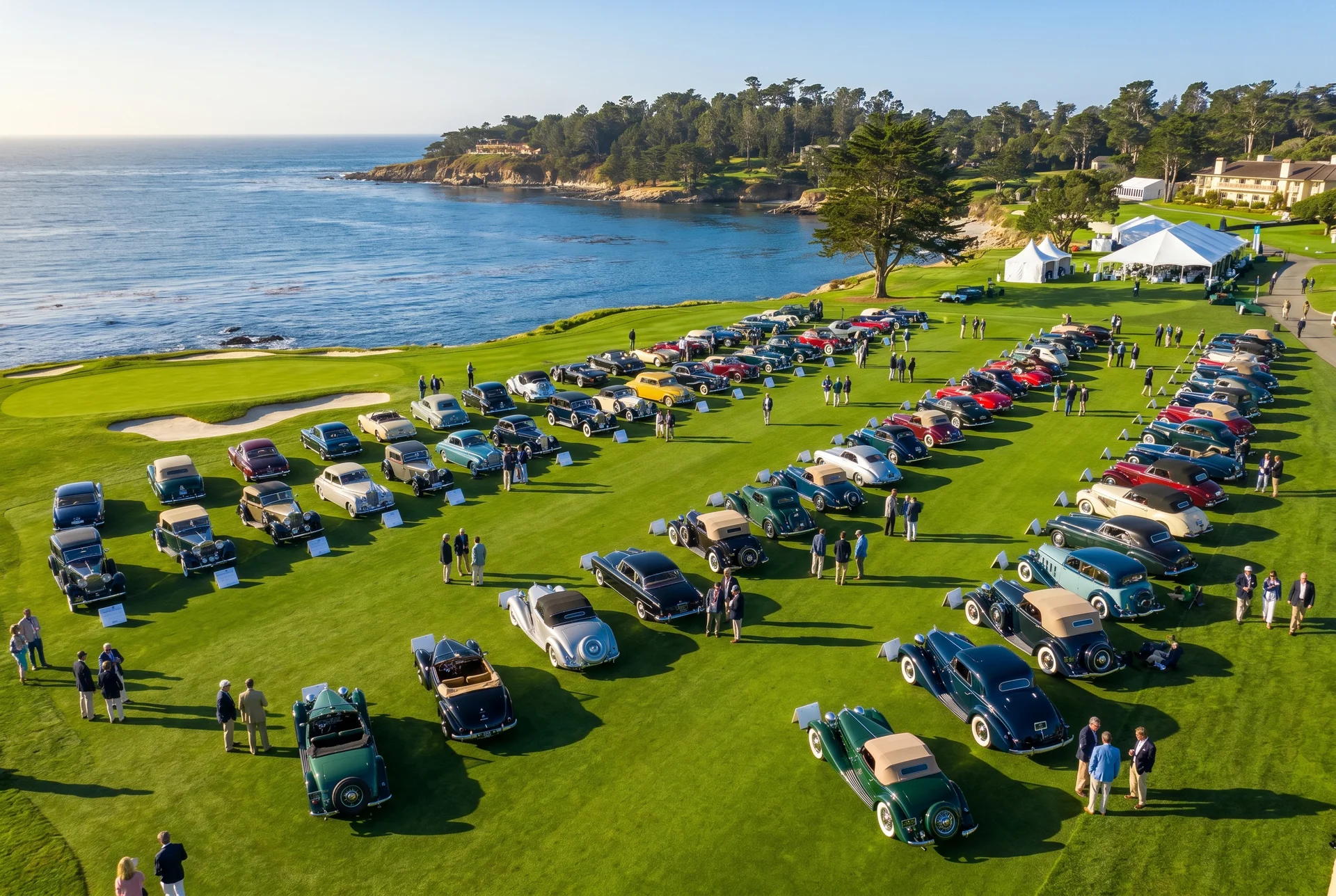
I've attended Pebble Beach eleven times. Each visit reinforces the same paradox: this is an event where the cars are extraordinary enough that their monetary value feels almost irrelevant, but the market implications of what wins and what gets attention here ripple through the collector car world for the following twelve months. The 2026 Concours, scheduled for the third Sunday in August, is shaping up to be one of the more significant events in recent memory.
The Featured Classes for 2026
The Pebble Beach Concours selects special classes each year that reflect the curatorship of the organizing committee and often signal where serious collector attention is heading. For 2026, the featured classes include Italian coachbuilt open cars of the 1950s — a category that includes some of the most gorgeous machines in automotive history and some of the most volatile collector values — and a retrospective class celebrating the centennial of American formal car designs, which brings some extraordinary Lincoln, Packard, and Duesenberg coachwork to the lawn.
The American formal class is particularly worth watching for market implications. Duesenberg Model Js have been relatively dormant in the collector market for several years, partly because the buyer demographic that traditionally drove Duesenberg values has aged out of active collecting. A strong showing on the Pebble Beach lawn — and the editorial coverage it generates — can reactivate interest from younger collectors who weren't paying attention to the segment. I've watched this happen with Prewar American sports cars twice in the past fifteen years.
The Cars to Watch
Without naming specific entries before the official announcement, the rumor mill in the show car community points to at least two long-hidden cars making their public debut at Pebble Beach 2026. One is a coachbuilt Italian touring car that was last publicly seen at a 1958 show in Turin. The other is an American roadster with a specific racing provenance that will be recognizable to anyone who follows early American motorsports history. Both of these are the kind of cars that generate genuine collective excitement among the concours crowd — not just because they're beautiful, but because they've been out of sight long enough to have acquired mythology.
The Auction Week Context
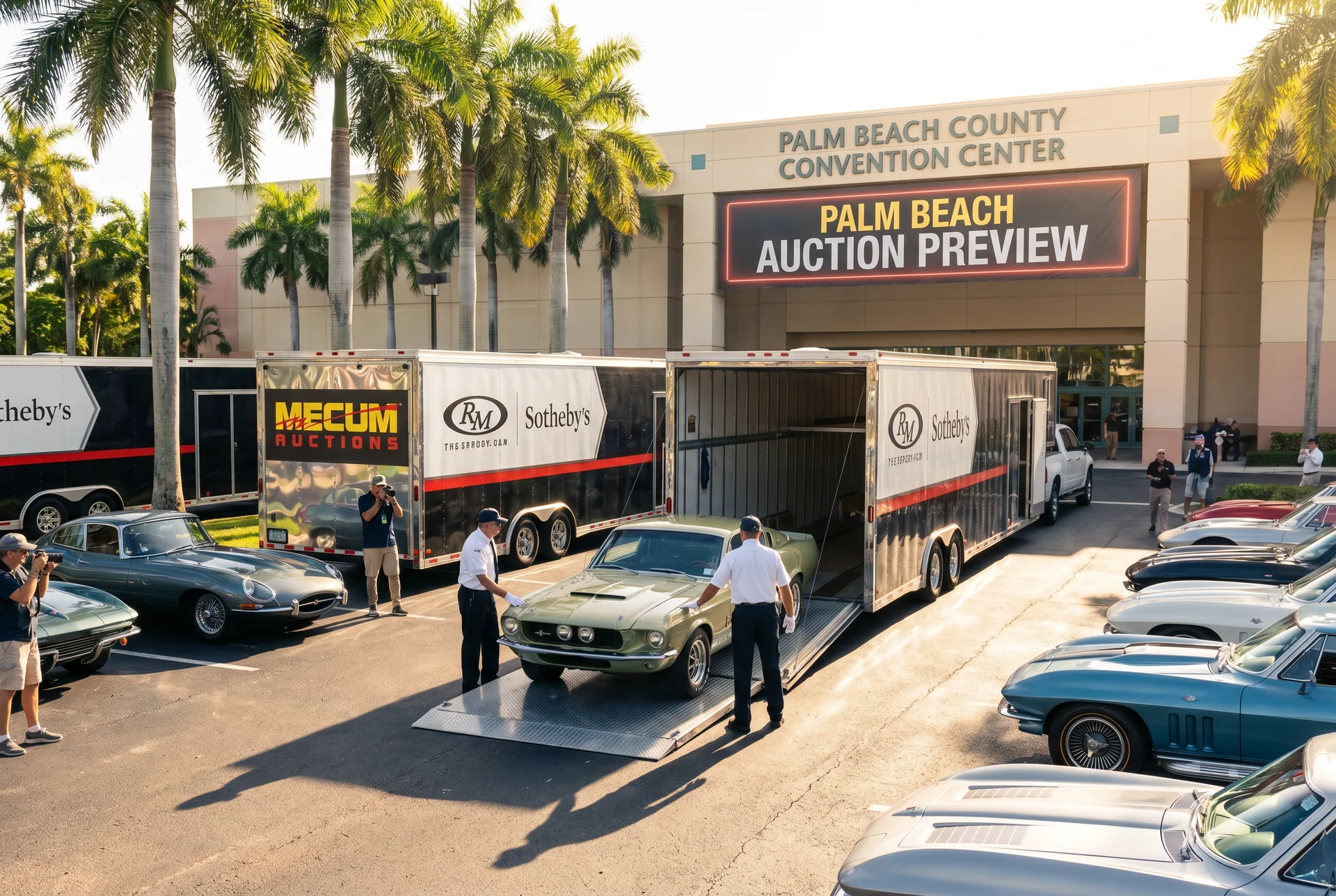
Pebble Beach week isn't just the Concours. The Monterey auctions — Gooding, RM Sotheby's, Bonhams — run in parallel, and the results at these auctions are interpreted against the backdrop of what's happening on the lawn. When a Pebble Beach class generates significant editorial attention, related cars at the simultaneous auctions can perform above estimate. Conversely, when a class underperforms expectations, even perfectly presented examples of those cars can find the auction floor cooler than expected.
For 2026, watch the coachbuilt Italian open cars at the Gooding and RM Sotheby's sales. If the Concours class generates significant interest, the auction results for comparable cars — not the same cars, but the same era and category — will follow. I'll be covering the auction results in a follow-up piece after the event.
Why It Matters Beyond the Trophy
The Pebble Beach Concours d'Elegance matters to the broader classic car community for a reason that isn't often stated clearly: it is the primary taste-making event in the collector car world. What wins at Pebble Beach gets photographed by the international automotive press, discussed by curators and collectors globally, and — not coincidentally — increases in collector value over the following year.
The car that wins Best of Show at Pebble Beach in 2026 will be worth more at auction in 2027 than it is today, simply because of the win. That's not speculation; it's documented market history going back decades. For anyone tracking the collector car market, watching the Pebble Beach results is not a luxury hobby. It's research.