
Are classic Corvettes reliable as daily drivers?

The Corvette has evolved enormously across its generations, and the daily-driver question has a very different answer depending on which year you're considering. Here's the honest generation-by-generation assessment from someone who has owned and documented all of them.
C1 (1953-1962) — Enthusiast-Only Daily Use
The earliest Corvettes — Blue Flame six-cylinder through early small-block V8 — are mechanically simple but electrically fragile by modern standards. Drum brakes on all four corners (discs not available until C2), bias-ply tires, early ignition systems, and limited luggage space make the C1 a fair-weather, experienced-driver proposition. The fiberglass body is more forgiving of minor parking incidents than steel, but parts for the more obscure trim pieces are getting difficult to find. Not recommended for commuting.
C2 (1963-1967) — Driver-Capable with Discipline
The C2 Sting Ray introduced four-wheel independent suspension and disc brakes (from 1965), making it significantly more capable than the C1. With a freshly maintained drivetrain and electrical system, a C2 can handle regular weekend use reliably. Daily commuting is possible in mild climates with the right preparation — electronic ignition conversion, proper cooling system maintenance, and good tires. The big-block cars run hotter and need more attention to cooling.
C3 (1968-1982) — Summer-Driver Reliable
The C3's long production run spans enormous variation. Early chrome-bumper C3s (1968-1972) are the best drivers in the generation — better-sorted than C2s, still powerful. The rubber-bumper cars (1973-1982) suffered emissions-era power reductions but are actually more refined and easier to live with. Air conditioning was available from 1968 and works reasonably well. Opti-Spark distributor issues don't apply (that's LT1 era). Main issues: vapor lock on hot days, T-top sealing problems, and the early catalytic converter cars need occasional attention.
C4 (1984-1996) — Daily Driver Capable
The C4 with the LT1 (1992-1996) or TPI engine (1985-1991) is the most practical classic Corvette for regular use. Modern fuel injection, reasonable fuel economy, OBD diagnostics (from 1990), functional air conditioning, and a proper trunk. The digital dashboard on early C4s fails over time, and the Opti-Spark distributor on LT1s needs attention, but these are manageable maintenance items. A well-sorted C4 is genuinely usable as a secondary driver.
Browse current listings
 United States
1971 Chevrolet Corvette
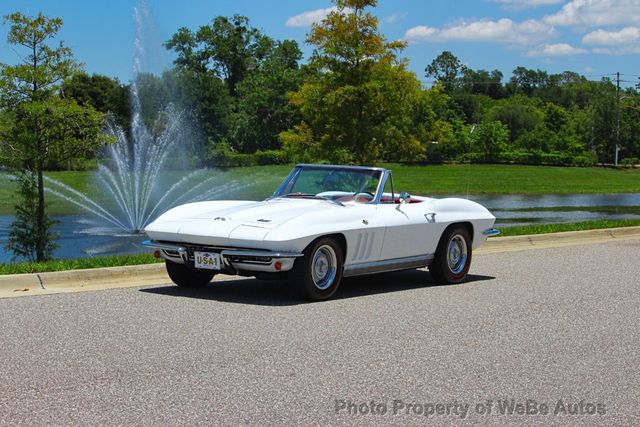 Dealer
United States
Dealer
United States
1966 Chevrolet Corvette
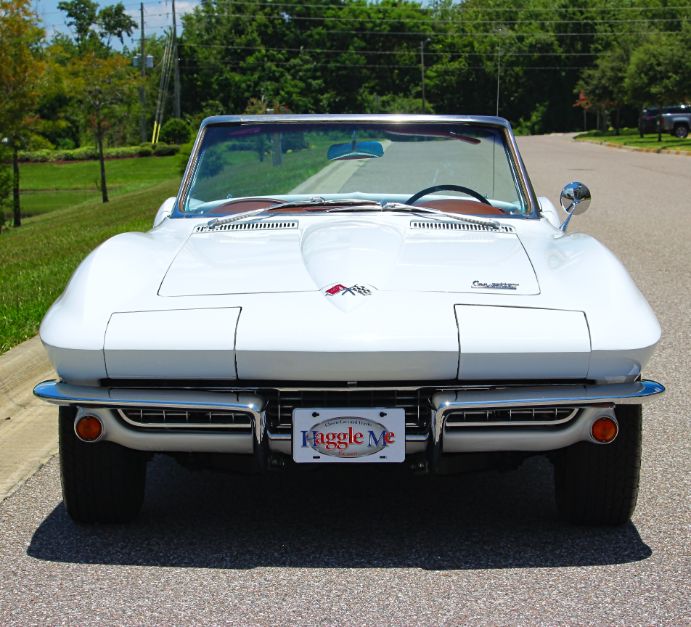 Dealer
United States
Dealer
United States
1966 Chevrolet Corvette
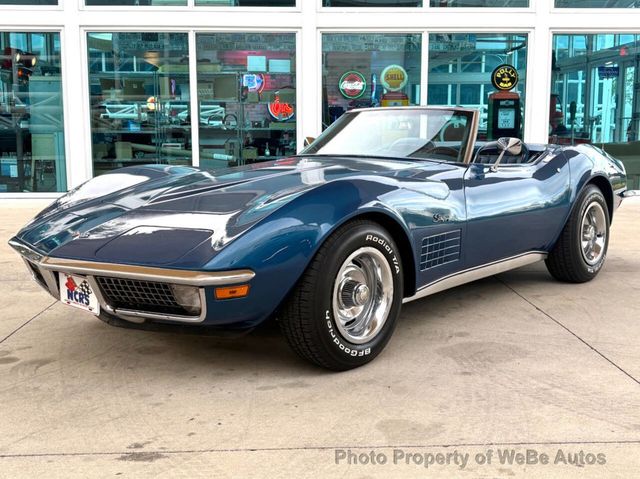 Dealer
United States
Dealer
United States
1971 Chevrolet Corvette
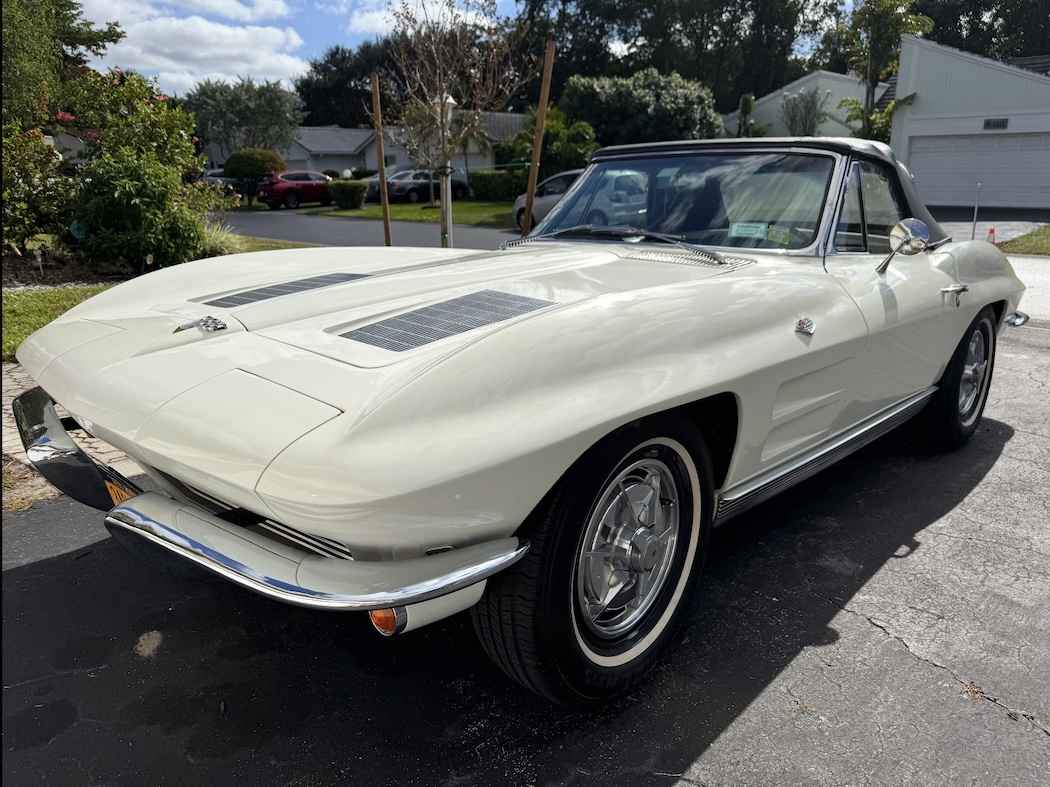
 Dealer
United States
Dealer
United States