
How much is a Nash-Healey worth in 2026?

From a concours judging perspective, the Nash-Healey occupies a singular position: it is the only American-registered production sports car of the early 1950s designed by a coachbuilder of genuine distinction, raced at Le Mans with factory support, and sold through conventional American dealer channels at a price that made it accessible to serious enthusiasts rather than only millionaires. The unrestored survivor in original livery — particularly a Le Mans specification or road-registered example with documented race history — is among the most historically compelling American cars of the decade.
The Nash-Healey Partnership
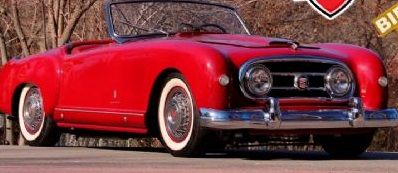
The Nash-Healey was born from a conversation between Nash Motors' president George Mason and Donald Healey on the Queen Elizabeth ocean liner in 1949. Healey was returning from the US having failed to secure an American engine for his British sports cars; Mason was looking for a sports car that would enhance Nash's image with younger buyers. The partnership they agreed on during the crossing was as practical as it was elegant: Healey supplied the rolling chassis and engineering; Nash supplied the ambassador-series inline-six engine and the American dealer network. For 1953, Pinin Farina was engaged to restyle the body — creating one of the finest Italian-influenced American sports cars of the era.
Year and Body Style Guide
- 1951 (Healey design, roadster): 104 built, most historically significant. Nash Ambassador inline-six. Values: $75,000–$145,000.
- 1952 (Healey design, roadster/coupe): 150 built, includes Le Mans competition period cars. Values: $80,000–$165,000.
- 1953 (Pinin Farina restyle): 162 built. The definitive Nash-Healey design. Values: $85,000–$185,000.
- 1954 (Pinin Farina, final year): 90 built — rarest production year. Values: $95,000–$200,000.
Authentication
The Nash-Healey Register, maintained through the Nash Car Club of America, documents all known examples with chassis numbers and production specifications. Healey chassis numbers and Nash body tags should be present and cross-referenceable. Le Mans competition provenance — if claimed — requires independent documentation through the Automobile Club de l'Ouest historical records, which are accessible to serious researchers. Among the marque registries, the Nash-Healey documentation chain is more complete than most American cars of the period, reflecting the small production numbers and organized club support since the 1960s.
"The Nash-Healey is what happens when a transatlantic negotiation produces a genuine sports car instead of a compromise. The Le Mans podium in 1952 is not a footnote — it is the defining achievement of a marque with 506 examples and one of the finest coachbuilding partnerships of the post-war decade."
— Sarah Whitfield
Browse current listings
 Dealer
 United States