What's the difference between the Chevy 350 and 400 small block?

The Chevy small block is the most common automotive engine in American history — millions were built, and distinguishing the 350 from the 400 matters for both performance applications and for correctly identifying a car's original drivetrain.
The 350 (1967–2002)
The 350 cubic inch (5.73L) is the most produced V8 in history. It replaced the 327 in 1967 with a longer stroke (3.48″ vs 3.25″) while keeping the 327's 4.00″ bore. Available in hundreds of configurations from 145 hp (smog-era 1975 truck) to 370 hp (LT1 Corvette). Key identifiers: the casting number on the rear of the block. Common 350 castings include 3970010 and 14010207.
The 400 (1970–1980)
The 400 cubic inch (6.55L) is a larger-bore (4.125″), longer-stroke (3.75″) design that was primarily a passenger car and truck engine. It produces more torque at lower RPM than the 350 — valuable in heavier vehicles. Challenges: the longer stroke and larger bore mean higher piston speeds and more heat, which stressed the siamesed cylinder bores (no water jacket between cylinders 1–2, 3–4, 5–6, 7–8). Cooling system maintenance is more critical on a 400 than a 350. The 400 also used two-bolt main caps rather than the four-bolt mains available on performance 350s.
Identifying a 400 vs 350
The easiest field identification: the 400 has steam holes drilled in the cylinder head deck surface (small holes visible when the head is removed), which the 350 does not. The bore diameter is also visible with a flashlight into the spark plug holes — the 400's larger bore is discernible by eye. Block casting numbers are the definitive identifier.
The 383 Stroker — The Performance Hybrid
Many builders combine a 400 block with a 350 crank to produce a 383 cubic inch "stroker" — more displacement than a 350, better rod ratio than a 400, without the 400's cooling concerns. The 383 stroker is popular in restomod builds but is never a factory configuration. A claimed "factory 383" does not exist in Chevrolet production.
Browse current listings
 Dealer
 United States
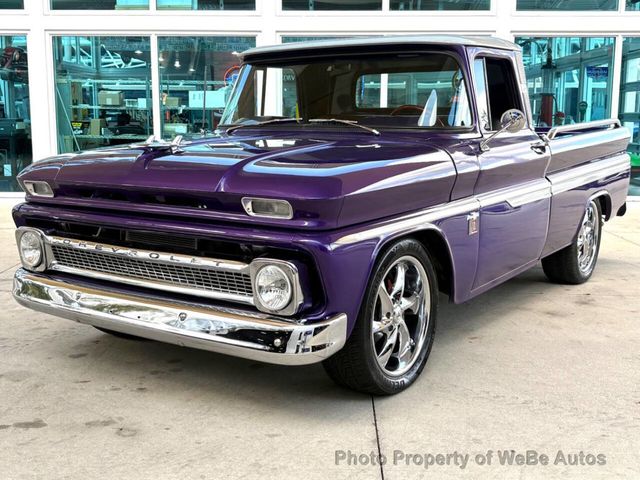
1963 Chevrolet C10
 Dealer
United States
Dealer
United States
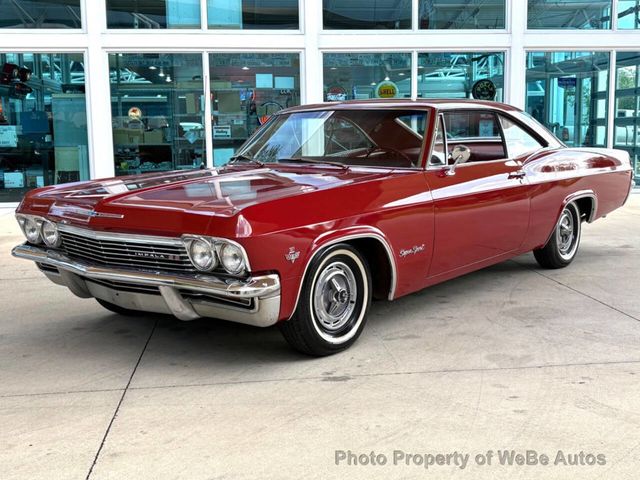
1965 Chevrolet Impala
 Dealer
United States
Dealer
United States
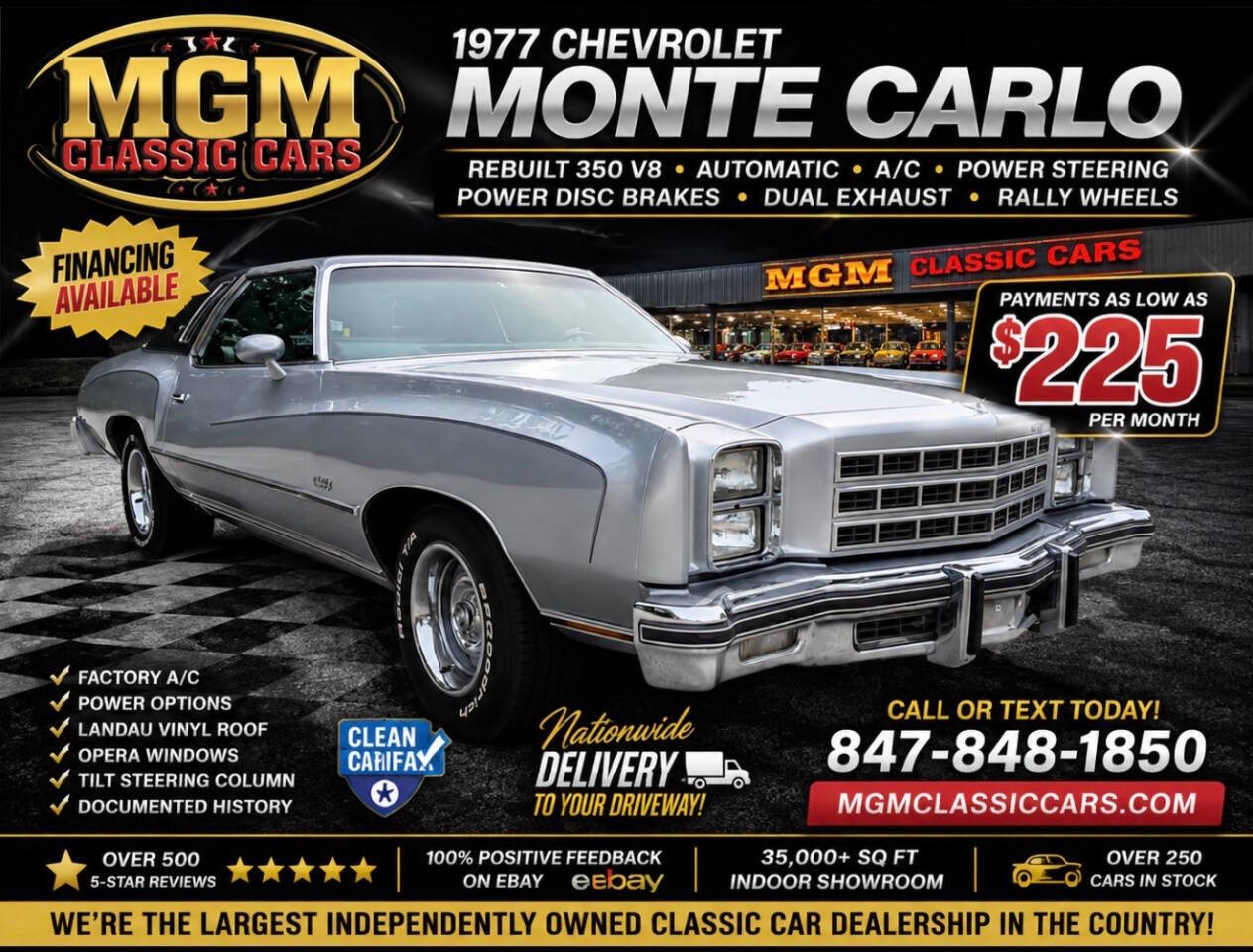
1977 Chevrolet Monte Carlo
 Dealer
United States
Dealer
United States