
How available are Studebaker parts today?

From a concours judging perspective, Studebaker's parts situation is better than most restorers expect when they begin a project. The organized club infrastructure — built over six decades by the Studebaker Drivers Club — has created a supply chain that keeps the most common models viable. The limiting factors are specific trim pieces from low-production variants and pre-war body panels that were never reproduced. For the 1950s and early 1960s models, the situation is genuinely encouraging.
What's Available
Parts availability varies significantly by model era:
| Category | Availability | Primary Source |
|---|---|---|
| Champion/Commander V8 engines | Excellent | Studebaker Club suppliers, Studebaker National Museum |
| Lark body panels (1959–1963) | Good | Specialized reproduction suppliers |
| Avanti body panels | Good (fiberglass) | Studebaker International, Molded Fiberglass |
| Interior upholstery kits | Good for most models | Legendary Auto Interiors, PUI Interiors |
| Glass (windshields, back glass) | Moderate | Vintage Glass USA, network-sourced |
| Trim and emblems | Moderate to limited | Reproduction and NOS through club network |
| Pre-war body panels | Very limited | Marque specialists, club-directed fabrication |
The Studebaker Drivers Club Network
The SDC (studebakerdriverssclub.com) is the essential resource for any Studebaker owner — the club maintains a roster of recognized suppliers, technical advisors by model, and a Technical Helpline that can direct owners to the correct source for specific parts. The Studebaker National Museum in South Bend, Indiana, maintains factory archives that include production records, paint codes, and option documentation that is useful for both authentication and restoration reference.
Model-Specific Notes
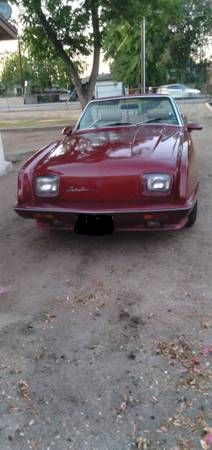
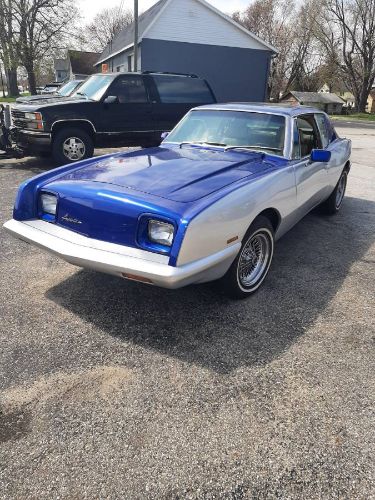
The 1963–1964 Avanti has the best overall parts situation of any Studebaker — the fiberglass body is straightforward to repair, the Paxton supercharger is supported by Paxton specialists, and the club network has deep knowledge of this specific model. The 1950s Hawks (the Sky Hawk, Power Hawk, Flight Hawk, and Golden Hawk) have adequate mechanical parts but specific chrome trim and glass items require patience and networking through the club. The 1941–1942 President and Commander are the last pre-war models with reasonable parts access; earlier pre-war Studebakers require a dedicated marque specialist and significant patience.
Practical Advice
Join the Studebaker Drivers Club before beginning any Studebaker project — the annual membership fee is negligible against the value of the network, and the Technical Helpline has prevented many restorers from making expensive errors. Attend the SDC's annual Grand National meet, where parts vendors, technical presenters, and experienced owners gather in one location. The unrestored survivor in original livery — particularly for 1950s models — is often more practical to preserve than to restore, as the factory paint and trim represent a standard that reproduction materials cannot fully replicate.
"Studebaker's parts situation rewards patience and club membership. The SDC network has kept these cars viable for sixty years through organized effort — the marque's survival is a model of what organized enthusiast support can achieve."
— Sarah Whitfield
Browse current listings
 Dealer
 United States
1988 Studebaker Avanti
 Dealer
United States
Dealer
United States