
Classic AMC Rambler Buyer's Guide
Expert buyer's guide to the AMC Rambler 1950–1969. Unibody rust patterns, model line overview, Classic/American/Rebel variants, engine options, and current market pricing.

The Rambler was the car that nearly saved American Motors — and for a time, it did exactly that. While the Big Three chased horsepower and size through the late 1950s, Nash and then AMC built smaller, more economical cars and watched their sales figures climb. The Rambler nameplate ran from 1950 through 1969, spanning four distinct eras and establishing AMC as a genuine alternative to Detroit's mainstream. Today these cars are affordable, mechanically approachable, and undervalued — which makes them interesting. The rust patterns and unibody construction challenges are what make them require careful inspection before purchase.
History & Model Lines
The Rambler story begins with Nash-Kelvinator's 1950 compact Rambler — a two-door convertible that proved Americans would buy small cars if built well. The nameplate survived Nash's merger with Hudson to form American Motors, and through the 1950s and early 1960s the Rambler brand outsold Chrysler's entire lineup in 1961. Three distinct model lines defined the Rambler era at AMC.
Rambler American (1958–1969)
The compact of the lineup. Initially based on the original 1950 Rambler design, the American was refreshed in 1961 with clean new styling. These are the most affordable Ramblers and the easiest to restore. The 1964–1969 Americans are the strongest value proposition — good styling, available V8s, and strong AMC club support.
Rambler Classic (1961–1966)
The mid-size. The Classic replaced the original Rambler Six and Eight as AMC's volume seller. Available in a wide range of body styles including two-door hardtops, convertibles, station wagons, and sedans, the Classic has strong appeal for buyers wanting practical classic transportation.
Rambler Rebel (1957–1960) / Rambler Ambassador (1958–1974)
The senior Ramblers. The 1957 Rebel with its V8 engine was genuinely fast — Motor Trend tested it at 0–60 in 7.5 seconds, among the quickest American cars of the year. The Ambassador carried the upscale AMC banner through 1974.
Years to Look For
- 1957 Rebel: The historically significant one-year model. Ultra-rare documented examples are serious collectors' pieces.
- 1964–1969 American: Clean compact styling, available V8 from 1966, strong club support. Best Rambler value proposition.
- 1963–1966 Classic 770: Hardtop and convertible body styles with V8 available. Affordable classic transportation.
- 1950–1954 original Rambler: The pioneering compact. Convertible and hardtop models are quirky collector cars.
What to Look For In Person
AMC's unitized body construction means there is no separate frame to evaluate — the body IS the structure. Rust in the rockers, floor pans, A-pillars, and B-pillars is structural rot, not cosmetic. Probe the rocker panels from underneath with a screwdriver and probe firmly — AMC rockers often look sound on the outside while the inner structure is completely gone. The floor pan under the rear seat is another universal rust zone.
| Engine | Displacement | Years | Notes |
|---|---|---|---|
| Flathead Six | 195.6 cu in | 1950–1964 | Reliable base engine, long production run |
| OHV Six | 199–232 cu in | 1964–1969 | Updated overhead valve six, good durability |
| V8 | 287–327 cu in | 1957–1969 | Performance option; AMC 327 a stout engine |
"The Rambler buyer gets more car for less money than almost anything else in the classic market right now. These cars are honest, durable, and underappreciated. The catch is the unibody rust — when it's bad on a Rambler, it's bad. Probe those rockers hard before you commit to anything. The outside can look fine while the inside structure is gone."
— Mike Sullivan
Market Outlook
Base Rambler American sedan drivers: $4,000–$10,000. American two-door hardtops: $8,000–$16,000. Classic hardtops and convertibles: $10,000–$22,000. 1957 Rebel documented: $20,000–$40,000. Ambassador senior models: $8,000–$18,000. The Rambler market is one of the most affordable in classic American cars — genuine values exist for buyers willing to learn the platform's specific inspection requirements.
Browse AMC Rambler listings
 Dealer
 United States
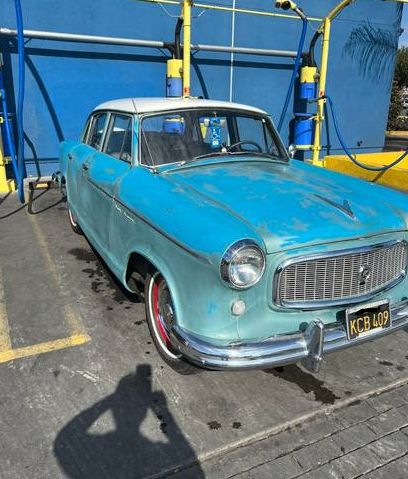
1960 AMC Rambler
 Dealer
United States
Dealer
United States
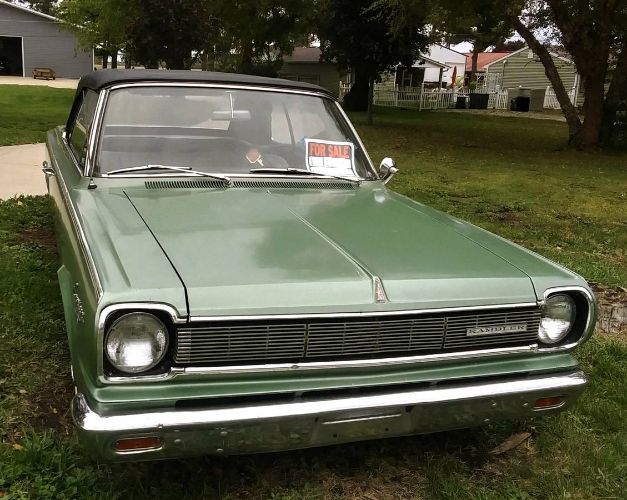
1965 AMC Rambler
What to Look For
Probe the rocker panels hard from underneath with a screwdriver — AMC unibody rockers rust from the inside out and the inner structure is often gone while the outer surface looks acceptable. Check the floor pan under the rear seat. Inspect the A-pillar base and B-pillar base for rust — these are structural components in the unitized body, not cosmetic panels. Check the firewall and cowl area for rust. On older models (1950–1960), inspect the inner fenders and the area behind the front wheels for unibody rust. Engine oil and coolant condition: the flathead six is robust but old sludge in an unmaintained example is common.Pre-Purchase Checklist
-
Rocker Panel Probe
Probe the rockers hard from underneath with a screwdriver. Inner rocker structure rots first on AMC unibodies. Soft metal = structural rot. -
A-Pillar Base Rust
Check the A-pillar base at the floor junction for rust. This is structural on the unitized AMC body — rot here affects crash protection. -
B-Pillar Base Rust
Inspect the B-pillar base at the floor and rocker junction. Rust here is structural — look for bubbling paint or waviness at the base. -
Rear Floor Pan
Pull back the rear seat floor mat and probe the rear floor pan. Universal rust zone on unprotected Rambler unibodies. -
Front Floor Pan
Probe the front floor pans from underneath. Check driver-side first — heat and condensation cause floor rot here before anywhere else. -
Cowl and Firewall
Inspect the cowl seam and lower firewall for rust. The AMC unibody cowl area traps water similarly to GM and Ford unibody competitors. -
Engine Oil Condition
Pull the oil dipstick and check for sludge or contamination. Neglected flathead sixes develop clogged oil passages from old sludge buildup. -
Wiring Harness Check
Check dash and engine bay wiring for brittleness, cracks, or melted insulation. AMC harnesses are brittle with age and electrical gremlins are common. -
Rear Quarter Rust
Run a magnet along the lower rear quarters and behind the wheel opening. Filler is non-magnetic. Rust here often extends to the wheel housing. -
Trunk Floor
Inspect the trunk floor and spare tire well for rust-through. Check the trunk-to-quarter seams for corrosion.
Common Issues
Unibody rocker rot is the most serious AMC Rambler problem — the inner rocker structure rusts first, and by the time it shows on the outside, the structural member is often completely gone. Full rocker replacement with inner rocker work runs $1,000–$2,500 per side. Floor pan rust under the rear seat is universal on unprotected cars. A-pillar and B-pillar base rot is structural and requires welding. Older flathead six cars suffer from clogged oil passages in neglected examples. AMC electrical wiring harnesses are brittle with age — electrical gremlins on original harnesses are common.More Rambler for sale
 Dealer
United States
Dealer
United States
1965 AMC Rambler
 Dealer
United States
Dealer
United States
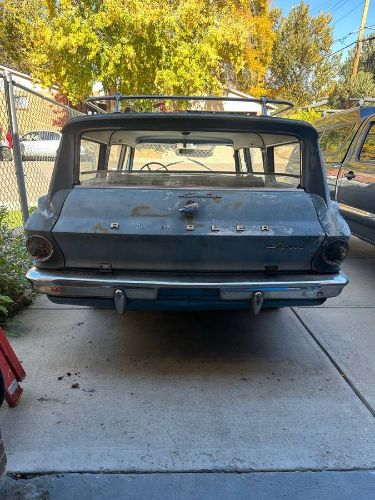
1962 AMC Rambler
Pricing Guide
Rambler American sedan four-door: $4,000–$10,000. American two-door: $8,000–$16,000. Classic hardtop/convertible: $10,000–$22,000. Ambassador senior models: $8,000–$18,000. 1957 Rebel documented: $20,000–$40,000. Show-quality restored American: $18,000–$28,000. The Rambler remains one of the most affordable classic American nameplates — budget buyers find genuine values here that simply don't exist in the Chevrolet, Ford, and Mopar markets.Fun Facts
In 1961, American Motors (under the Rambler brand) outsold Chrysler's entire domestic lineup — a remarkable achievement for a company a fraction of Chrysler's size. AMC president George Romney (later Governor of Michigan and father of Mitt Romney) personally championed the compact car strategy and argued publicly against the Big Three's "dinosaur" full-size cars. The Rambler's reclining front seat option of 1961 was marketed as ideal for camping — AMC's advertising suggested buyers could sleep in their car as a feature, not a fallback.Frequently Asked Questions
Ready to find your Rambler?
Browse 6+ active AMC Rambler listings on Classic Cars Arena.
View Listings →