
1955 Chevrolet 210
$69,997 $74,997
Vehicle Details
Chevrolet
210
1955
1,159 miles
VB55A077215
Coupe
Automatic
383-383hp V8 W/ Holley Sniper EFI
Description
1955 Chevrolet 210 Two-Door Post — Restomod with 383 V8, Holley Sniper EFI, and 1,159 Miles Since Full Restoration Why This Car Is Special The 1955 Chevrolet 210 sits in an interesting position in automotive history. It was the middle child of the Tri-Five family — priced above the base 150 but below the Bel Air — yet it shared the same body, the same landmark small-block V8 option, and the same Ed Cole-designed chassis that made 1955 such a pivotal year for General Motors. The '55 Chevy was the car that proved American family transportation didn't have to be boring.
With the introduction of the 265 cubic inch V8 that year, Chevrolet essentially rewrote what a mid-priced American car could do. The 210 in particular became the platform of choice for builders and hot rodders for decades precisely because it had all the bones of the Bel Air without the collector premium that sometimes gets in the way of actually driving the thing. This specific 1955 Chevrolet 210 has been through a ground-up restoration with a strong restomod focus.
The builder didn't chase a show trophy — they built something they intended to drive. Every major system on the car is new or freshly rebuilt, and with only 1,159 miles on the restoration, the work is essentially broken in but not worn. Over $85,000 was invested in getting this car to where it sits today, and the receipts show up in the details: PPG paint, a professional interior by M&M Interiors, CPP suspension components, a complete American AutoWire harness, and a 383 cubic inch stroker V8 topped with Holley Sniper electronic fuel injection.
This is not a car that was cleaned up and flipped. It was rebuilt correctly, from the undercarriage up. The VIN on this car decodes to a 1955 Chevrolet built in the Flint, Michigan assembly plant, confirming it as an early domestic production unit from the first full year of the Tri-Five generation.
Features List 383 cubic inch stroker V8 with 383 horsepower Holley Sniper electronic fuel injection with self-tuning closed-loop control Ceramic coated headers with Flowmaster mufflers and dual exhaust Chrome exhaust tips 700R4 four-speed automatic overdrive transmission CPP power steering CPP power disc brakes Aluminum radiator Vintage Air climate control system Dakota Digital gauge cluster with tachometer Ididit tilt steering column Impala steering wheel Custom interior by M&M Interiors — black vinyl with blue stitching Front bench seat Aftermarket stereo with power antenna Phone charger / USB New American AutoWire wiring harness 20-inch custom chrome wheels New tires PPG two-tone turquoise and black exterior paint New grille, glass, and chrome bumpers Clean undercarriage Only 1,159 miles since restoration Over $85,000 invested in restoration Mechanical The engine in this 1955 Chevrolet 210 is a 383 cubic inch stroker V8 — a combination built by taking a 350 block and fitting it with a 400 crankshaft to achieve the larger displacement. Rated at 383 horsepower, it produces significantly more torque across a broader RPM range than the original 265 or even the later 283 that Chevrolet offered in the Tri-Five years. The heads are angle plug units, which improve combustion chamber efficiency and give better access for maintenance compared to straight plug configurations.
Fuel delivery is handled by a Holley Sniper EFI system, which replaces a carburetor with a throttle body unit that self-tunes using a wideband oxygen sensor and an internal ECU. The Sniper learns fuel maps on the fly and compensates for changes in temperature, altitude, and engine wear. What that means practically is easier cold starts, no stumbling on acceleration, and consistent fuel economy — all without giving up the look of a traditional intake setup under the hood.
The ceramic coated headers help retain exhaust heat in the pipe rather than radiating it into the engine bay, which improves flow and reduces underhood temperatures. Flowmaster mufflers handle tone control on
Classic Chevrolet 210 Buyer's Guide (1953–1957)
Chevrolet 210 Market Overview
Based on 76 Chevrolet 210 listings currently on ClassicCarsArena.com
Classic Chevrolet 210 Buyer's Guide (1953–1957)
Everyone knows the Bel Air. Not everyone knows that for most of the Tri-Five era, you could get the exact same body, the same Small Block V8, and the same chassis for several hundred dollars less — in the 210. It was Chevrolet's volume seller: less chrome on the outside, similar substance underneath. Today that same dynamic plays out in the collector market, where a solid 210 still costs 20–35% less than a comparable Bel Air. I've been building and driving Tri-Fives for thirty years, and I'll tell you straight: the 210 is where the smart money goes if you actually want to use your car.
What to Check Before Buying
Common Issues
What to Look For
Price Guide
Did You Know?
Price Cut! -$5,000 (-6.7%)
1955 Chevrolet 210
Comparable Sales
Buying safely?
Read our scam-avoidance tips before paying →
Listing Actions
Browse by Era
1950s Classics for SaleAll 1955 Classics
Browse all 1955 Cars for SaleGet classic car alerts
Latest arrivals, newest deals, and discount coupons — straight to your inbox.
Selling your classic car?
Reach millions of classic car enthusiasts on the largest US classics marketplace.
Sell Your Car →Similar Listings
 Dealer
 United States
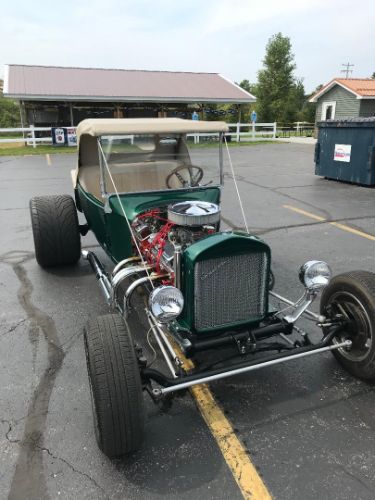
1918 Chevrolet 100
 Dealer
United States
Dealer
United States
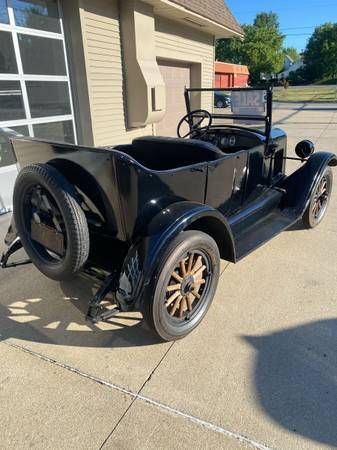
1923 Chevrolet Master
 Dealer
United States
Dealer
United States
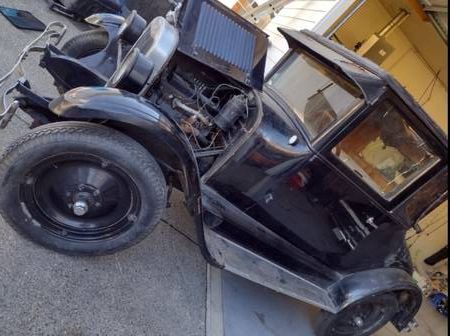
1925 Chevrolet Superior K
 Dealer
United States
Dealer
United States
1926 Chevrolet 100
Call this seller?
You're about to call WeBe Autos about the 1955 Chevrolet 210.
+1 (631) 339-0399
Report this Ad
Help us keep the marketplace clean. Our moderation team reviews every report within 24 hours.