
Buick GS 455 vs Oldsmobile 442 — The GM Brutes Compared
<p>General Motors built two of the most underrated muscle cars of the era on the same A-body platform: the Buick GS 455 and the Oldsmobile 442. Both cars offered genuine big-block performance in a well-engineered package, and both remain undervalued relative to their Chevrolet counterparts. Choosing between them comes down to engine character, rarity, and which corner of the GM muscle universe you want to occupy.</p>
Specs side-by-side
| Spec | Buick GS | Oldsmobile 442 |
|---|---|---|
| Peak engine | 455 Stage 1 — 360 hp / 510 lb-ft | 455 W-30 — 370 hp / 500 lb-ft |
| Top package | GSX (~678 built, 1970) | W-30 / Hurst-Olds |
| Platform | GM A-body intermediate | GM A-body intermediate |
| Production years | 1965–1975 (GS 455: 1970–1975) | 1964–1980 |
| Driver-quality value range | $30,000–$65,000 (Stage 1: +$20K) | $28,000–$60,000 (W-30: +$15K) |
The case for Buick GS
The Buick GS 455 Stage 1 is the hidden weapon of the GM A-body lineup. Its 455 V8 made 510 lb-ft of torque — more than a contemporary Hemi — and independent dyno tests consistently showed actual output well above factory ratings. The GSX package (Saturn Yellow or Apollo White, stripes, hood tach) is one of the most visually striking muscle car combinations of the era. With fewer than 700 genuine GSX cars produced in 1970, rarity is real. The Buick badge also means these cars have been underpriced for decades relative to equivalent Chevelles.
The case for Oldsmobile 442
The Oldsmobile 442 has the stronger brand recognition of the two. "442" originally meant four-barrel carburetor, four-speed transmission, dual exhausts — a formula that created one of Detroit's most enduring performance nameplates. The W-30 option (cold-air induction, hotter cam, fiberglass hood) is the 442's equivalent of the Stage 1 — rare, documented, and increasingly sought by specialists. The 442 was sold in higher volume than the GSX, which means parts and marque expertise are slightly more accessible. The Hurst/Olds package (1968, 1969, 1972–1975) is a separately collectible variant.
Verdict
Both cars are legitimate muscle car royalty that the market has consistently underpriced relative to Chevelle and GTO equivalents. The Buick GS 455 Stage 1 has the torque advantage and the rarity of the GSX; the Oldsmobile 442 W-30 has broader recognition and a longer nameplate history. For pure investment potential, the documented GSX may offer more upside. For driving character and overall collectible value proposition, the 442 W-30 is the more balanced choice.
Recent Buick GS listings
 Dealer
 United States
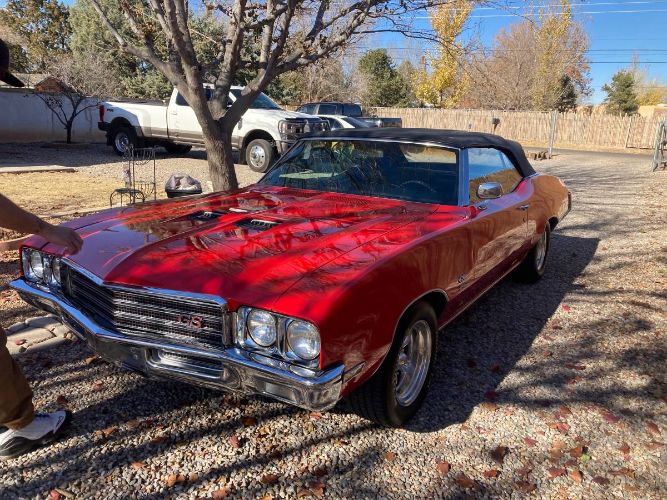
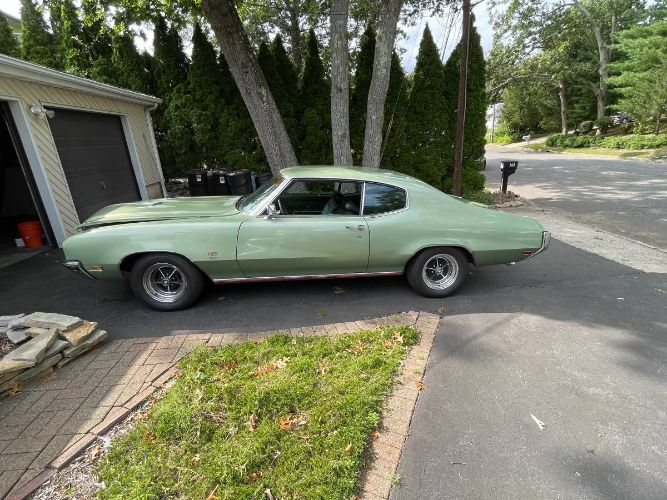
1971 Buick GS
 Dealer
United States
Dealer
United States
1970 Buick GS
 United States
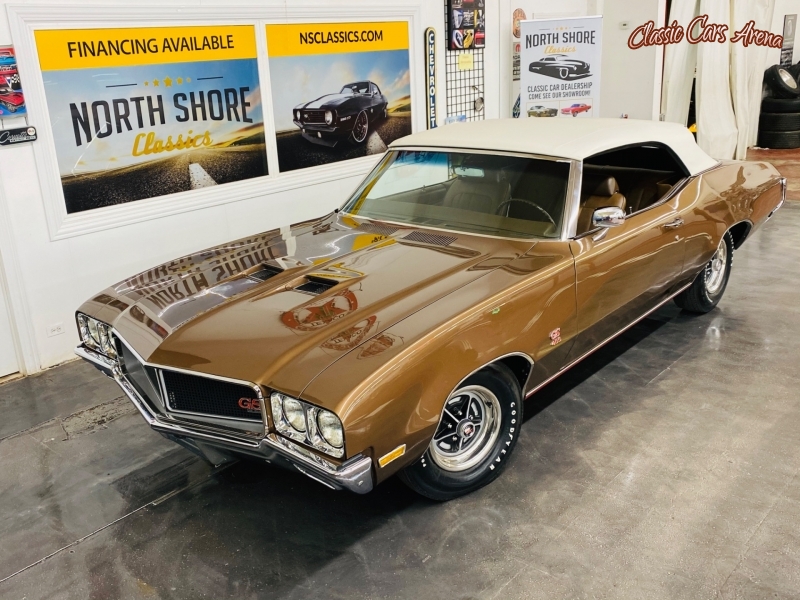
1970 Buick GS
Recent Oldsmobile 442 listings
 Dealer
United States
Dealer
United States
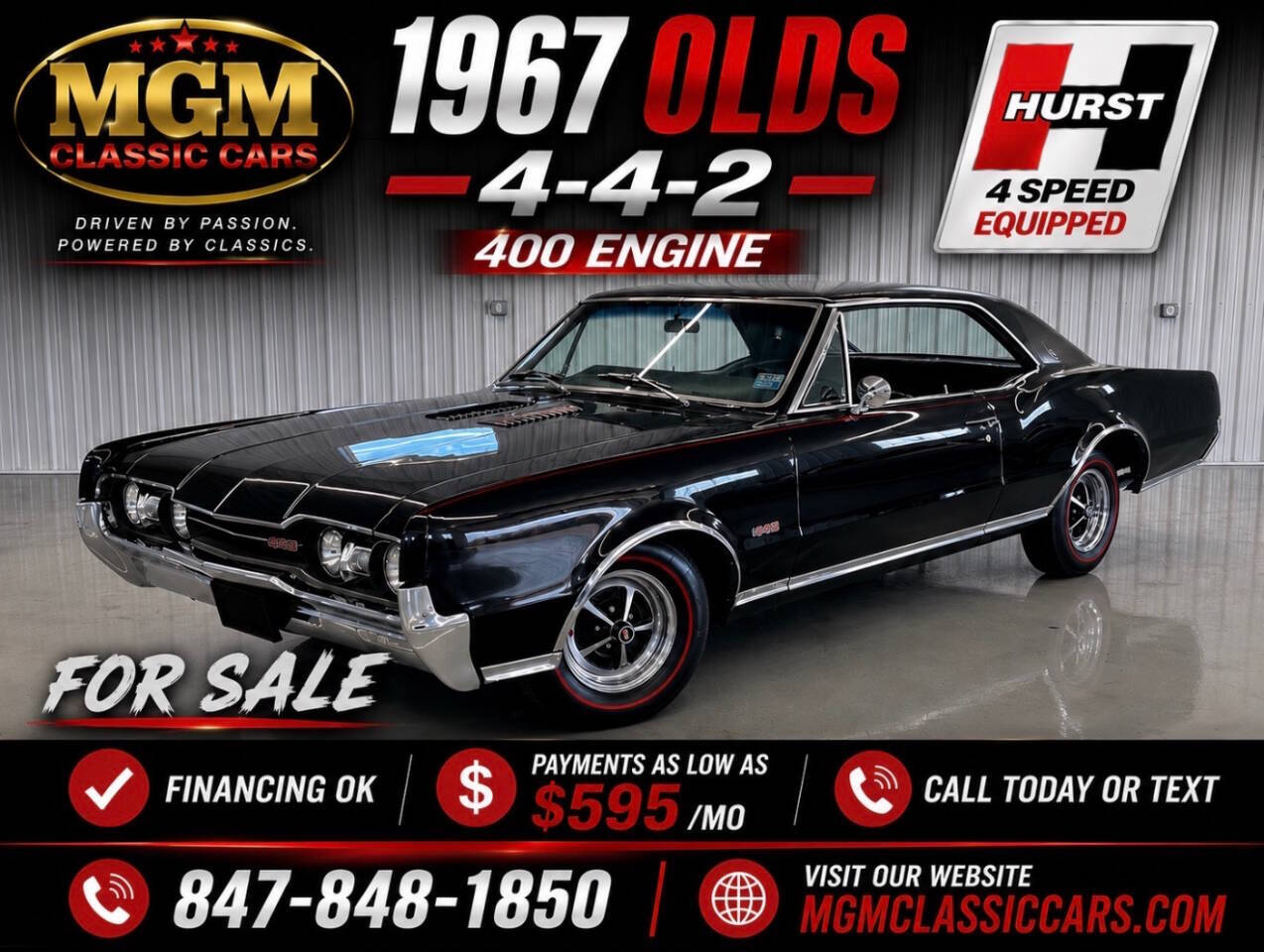
1967 Oldsmobile 442
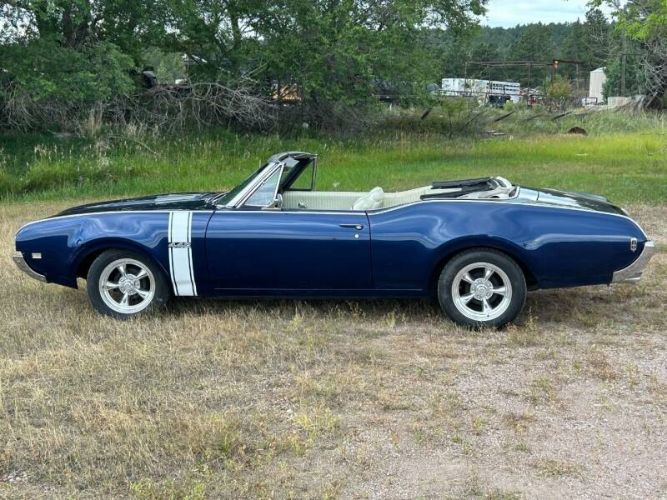 Dealer
United States
Dealer
United States
1968 Oldsmobile 442
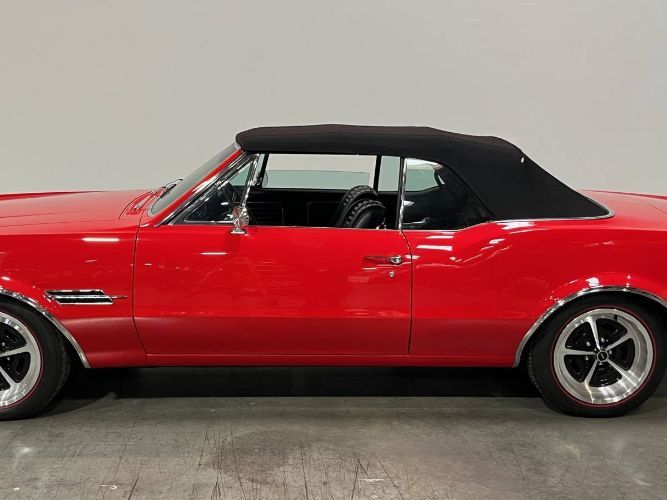 Dealer
United States
Dealer
United States
1968 Oldsmobile 442
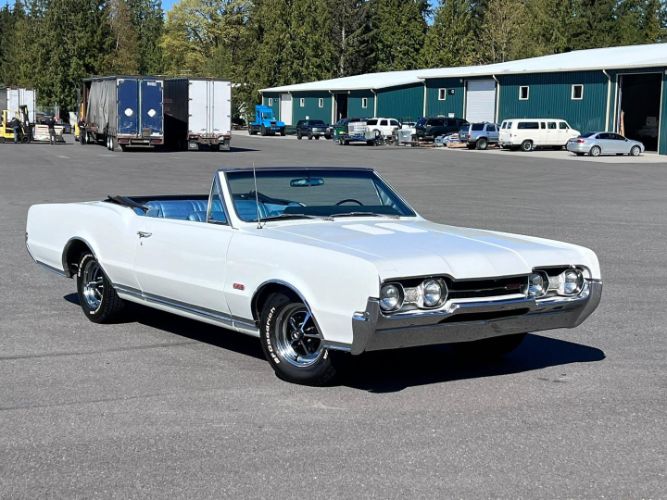 Dealer
United States
Dealer
United States