
Hudson Hornet vs Nash Ambassador — Pre-Merger AMC Rivals
<p>The Hudson Hornet (1951–1954) and Nash Ambassador (1949–1957) are the two founding streams of American Motors Corporation — the company created when Hudson and Nash merged in 1954 to survive the consolidation of the American automotive industry. Both are Step-Down or unibody cars from the same era, aimed at the same upper-middle-class buyer, and built by companies that believed engineering innovation could compensate for the scale disadvantage against General Motors and Ford. As collector cars today, they attract very different buyers for very different reasons.</p>
Specs side-by-side
| Spec | Hudson Hornet | Nash Ambassador |
|---|---|---|
| Production years | 1951–1954 (Hornet) | 1949–1957 (Ambassador) |
| NASCAR victories | 79 (1951–1954) | None in NASCAR |
| Engine | L-head 308 H-145 inline-6 | 320 V8 (1955) / 327 V8 (1956–57) |
| Peak power (top spec) | 170 hp (Twin-H-Power) | 255 hp (327 V8, 1957) |
| Body construction | Step-Down (perimeter frame, low CG) | Airflyte unibody |
| 2026 value range | $28,000–$90,000 | $18,000–$55,000 |
The case for Hudson Hornet
The Hudson Hornet makes its case through documented motorsport supremacy that no Nash Ambassador can claim. Marshall Teague, Herb Thomas, and Dick Rathmann drove Hornets to 79 NASCAR victories in four years — a dominance that established the car's place in American racing history independently of any collector preference. The Step-Down architecture is the engineering achievement: the perimeter frame with floor pan below the frame rails produced a center-of-gravity advantage that NASCAR rules could not legislate away. The Twin-H-Power dual carburetor option is the performance collector's specification, documented through the Hudson-Essex-Terraplane Club records with complete VIN traceability. An original, correct-color Hornet Hollywood hardtop with Twin-H-Power is an automotive artifact with racing provenance that the Nash cannot match.
The case for Nash Ambassador
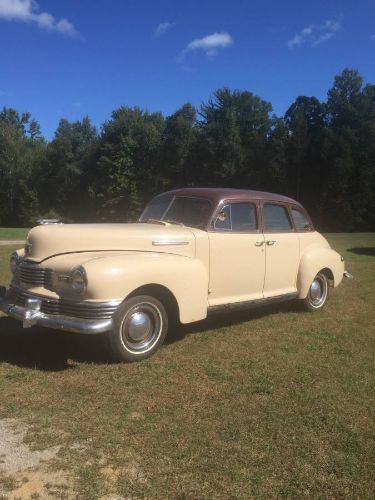
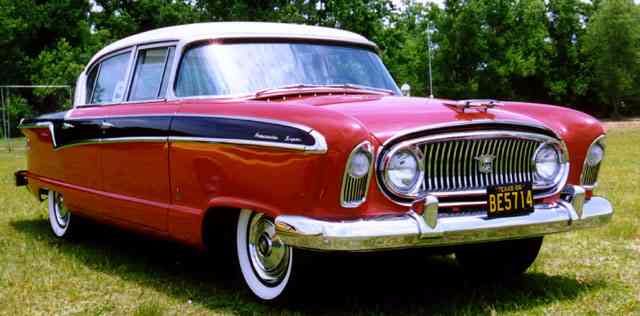
The Nash Ambassador argues on refinement, innovation, and the engineering seriousness that Nash brought to the American market before the merger. The Nash Ambassador introduced Weather Eye — a controlled ventilation system that predated modern HVAC concepts — and the Airflyte unibody construction that influenced the entire industry's manufacturing approach. The 1956–1957 Ambassador with the 327 cubic-inch V8 is a genuinely elegant car with a sophistication that surpasses the Hornet's more workmanlike demeanor. From a concours judging perspective, a correctly restored 1955–1957 Ambassador in original livery represents a distinct moment in American industrial design — Pinin Farina (the Italian designer) contributed styling elements to later Ambassadors, creating a genuine transatlantic design story. The Nash Healey (Nash Ambassador engine in Donald Healey's chassis) is the Ambassador's most collectible expression and has its own distinct collector following.
Verdict
For a collector drawn to racing history and the story of American motorsport development, the Hudson Hornet is the more important car — its NASCAR record is unimpeachable and its engineering innovation was documented in real competition rather than manufacturer claims. For a collector drawn to design history, industrial innovation, and the upstream development of American luxury motoring, the Nash Ambassador offers a narrative of equal richness. Both represent the independent American automotive tradition that ended definitively with the Big Three's consolidation in the late 1950s — owning either is owning a piece of that vanished world.
Recent Hudson Hornet listings
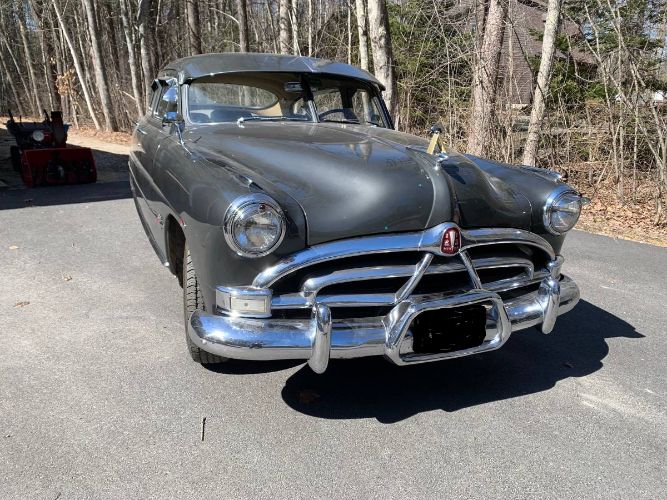 Dealer
 United States
1951 Hudson Hornet
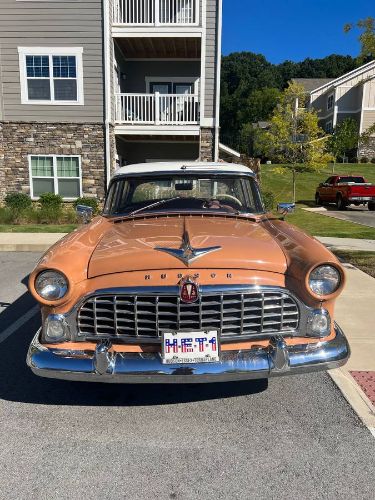 Dealer
United States
Dealer
United States
1955 Hudson Hornet
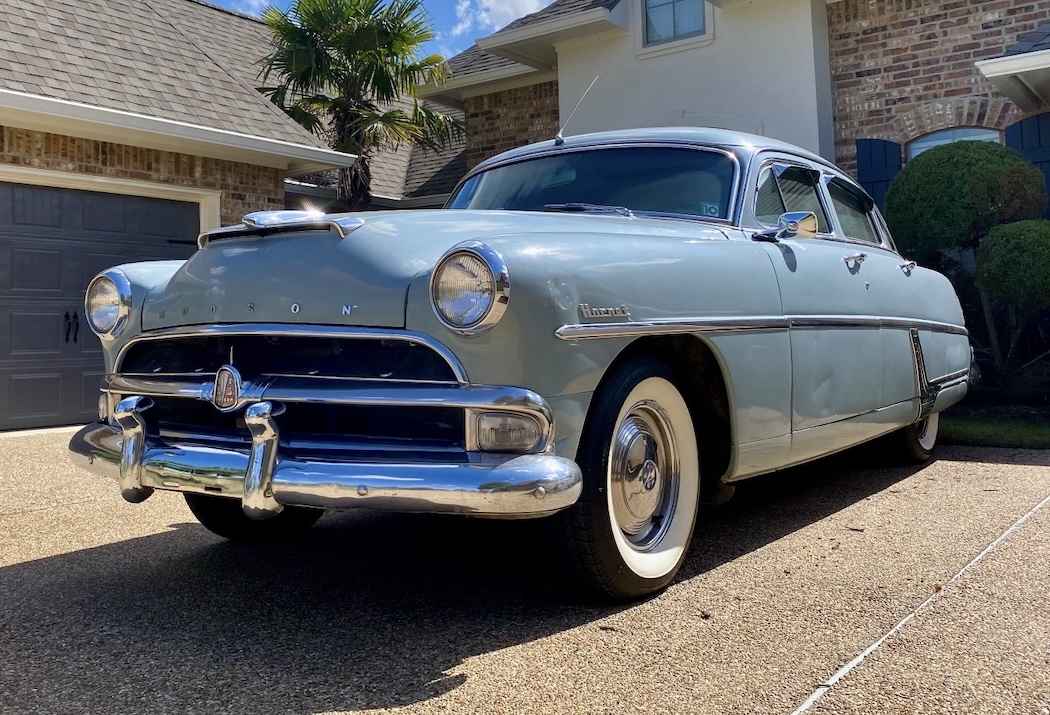
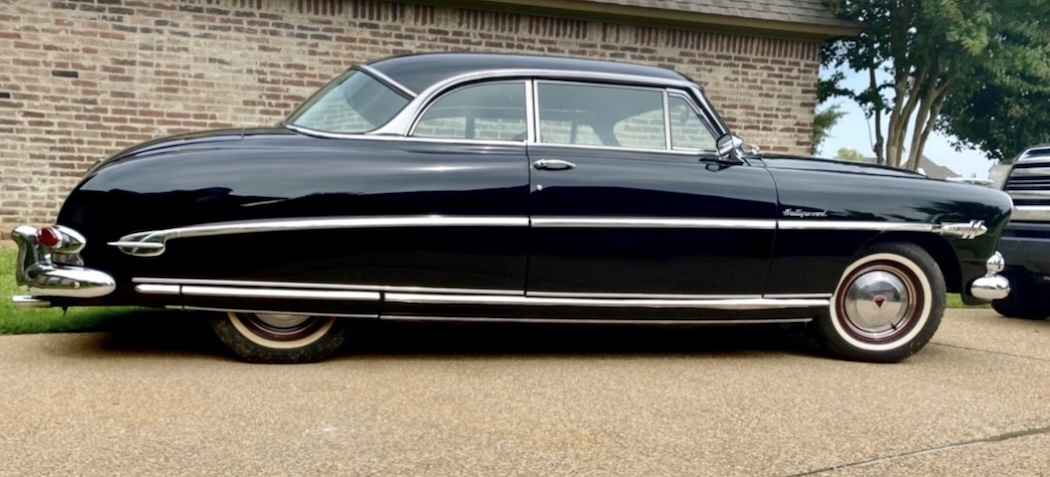
Recent Nash Ambassador listings
 Dealer
United States
Dealer
United States
1948 Nash Ambassador
 Dealer
United States
Dealer
United States