
Jeep Wagoneer vs International Harvester Travelall — Luxury 4x4 Pioneers
<p>The Jeep Wagoneer and International Harvester Travelall invented the American luxury full-size SUV segment a generation before anyone called it that. The Wagoneer (1963–1991) lasted long enough to become culturally defining; the Travelall (1953–1975) was discontinued before the segment it pioneered became fashionable. Today the Travelall is the rarer and less-appreciated of the two — which is exactly where collector opportunity often lives.</p>
Specs side-by-side
| Spec | International Harvester Travelall | Jeep Wagoneer |
|---|---|---|
| Production years | 1953–1975 | 1963–1991 (SJ generation) |
| Engine (peak year) | IH 304 V8 / 345 V8 | AMC 360 V8 (175–195 hp) |
| Full-time 4WD | Part-time only | Quadra-Trac (available 1973+) |
| Body style | 4-door wagon (3 wheelbases) | 4-door wagon (wood grain available) |
| Driver-quality value (2026) | $12,000–$35,000 | $28,000–$68,000 (Grand Wagoneer) |
The case for International Harvester Travelall
The IH Travelall is the more historically significant and currently more undervalued vehicle. It predated the Wagoneer by a decade, offered a full-size station wagon body on a 4x4 chassis when no one else did, and used IH's unique V8 engines in a package that genuinely served family hauling and trail work simultaneously. In 2026, a restored Travelall attracts deep appreciation from collectors who recognize its historical position — and values are significantly lower than the Wagoneer for equivalent condition, representing genuine relative opportunity. The challenge: IH-specific parts require specialist sourcing through vendors like Midwest IH and Scout Connection.
The case for Jeep Wagoneer
The Jeep Wagoneer wins on cultural resonance and market liquidity. The Grand Wagoneer (1984–1991) with its wood-grain panels and leather seats has become the definitive image of American premium utility — referenced in advertising, television, and design circles as the original luxury SUV. Values have tripled since 2015 and show no signs of reversing. The AMC 360 V8 is robust and well-supported; Quadra-Trac full-time 4WD was genuinely innovative. The Wagoneer also benefits from a large and active collector community (Kaiser Willys Auto Supply, multiple restoration specialists) that has built a comprehensive parts ecosystem.
Verdict
The Wagoneer is the safer investment with stronger liquidity and broader recognition. The Travelall is the more interesting historical artifact at a better relative price. For a collector who wants to own the rarer piece of American 4x4 history and is comfortable with specialist parts sourcing, the Travelall offers unique value that the market hasn't fully recognized yet. For a collector who wants the most liquid classic SUV with the strongest established market, the Grand Wagoneer is the clear choice.
Recent Jeep Wagoneer listings
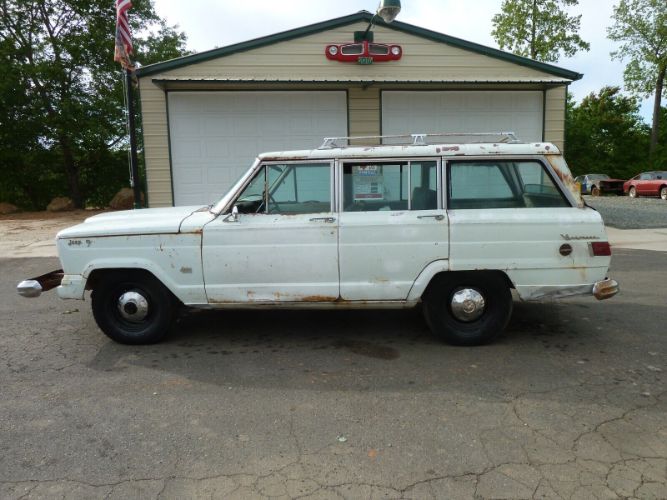 Dealer
 United States
1965 Jeep Wagoneer
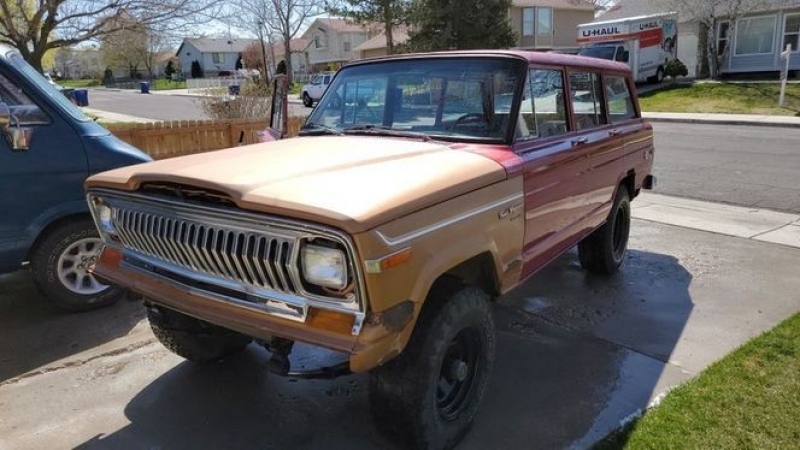 Dealer
United States
Dealer
United States
1977 Jeep Wagoneer
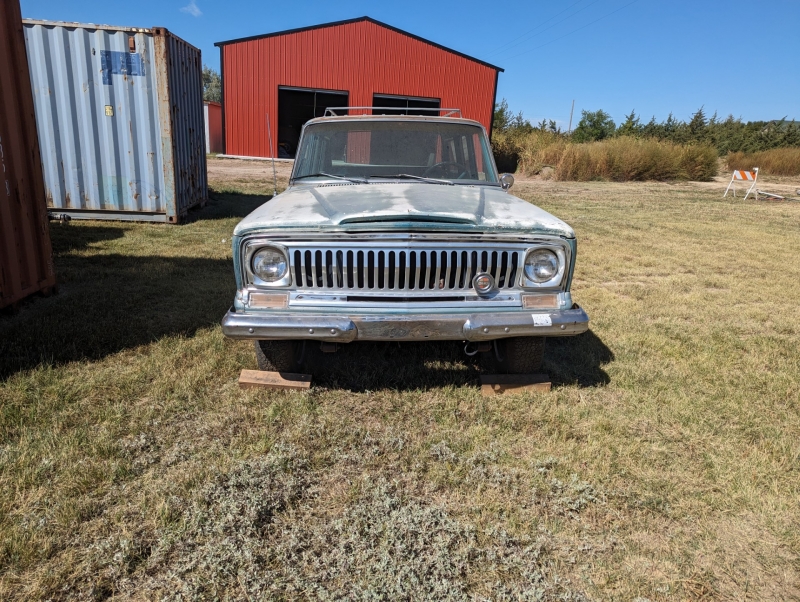
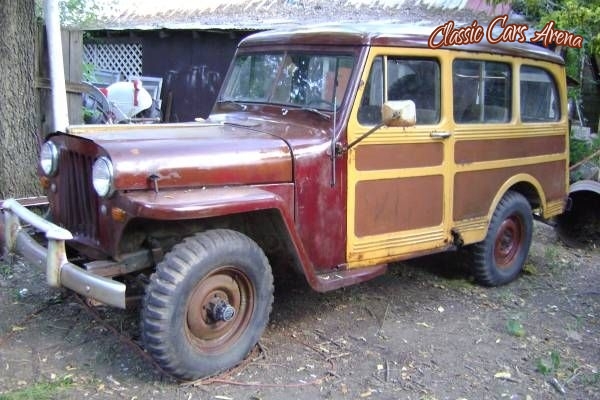 Dealer
United States
Dealer
United States