
Porsche 356 vs MGA — 1950s European Roadsters Compared
<p>The Porsche 356 and MG MGA were both introduced in the mid-1950s as affordable, nimble European sports cars for drivers who valued involvement over outright speed. They are almost perfectly matched on paper — similar weight, similar displacement, similar intended market — yet they represent fundamentally different engineering philosophies and today occupy radically different price tiers. Understanding why illuminates what collector markets actually value, and where the genuine opportunities lie.</p>
Specs side-by-side
| Spec | MG MGA | Porsche 356 |
|---|---|---|
| Production years | 1955–1962 | 1948–1965 (all 356) |
| Total units built | ~101,000 | ~76,000 (all variants) |
| Engine | Water-cooled inline-4, 1.5L–1.6L | Air-cooled flat-4, 1.1L–1.6L |
| Layout | Front-engine, rear-wheel drive | Rear-engine, rear-wheel drive |
| Peak power (road spec) | 72–108 hp depending on variant | 60–130 hp depending on variant |
| 2026 value range | $12,000–$35,000 | $55,000–$450,000+ |
The case for MG MGA
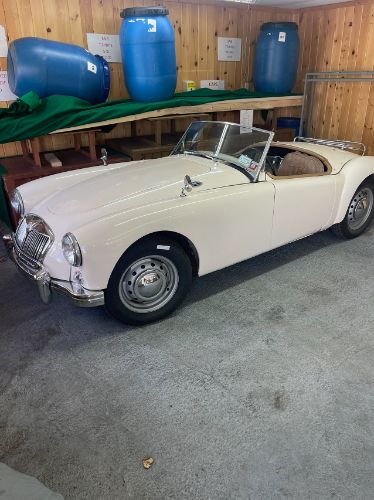
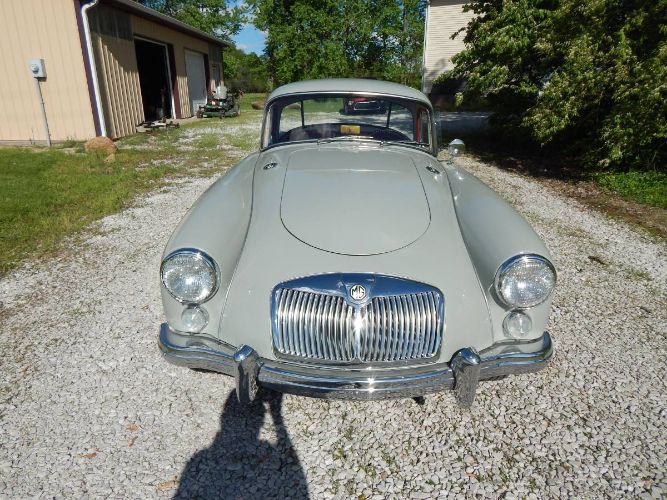
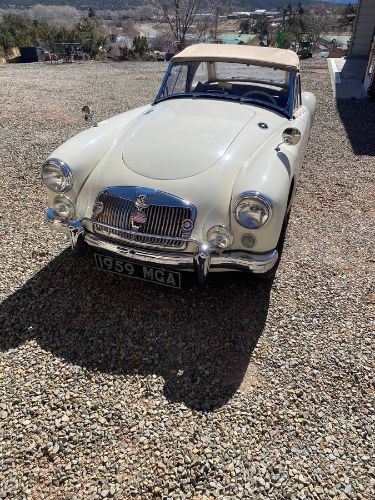
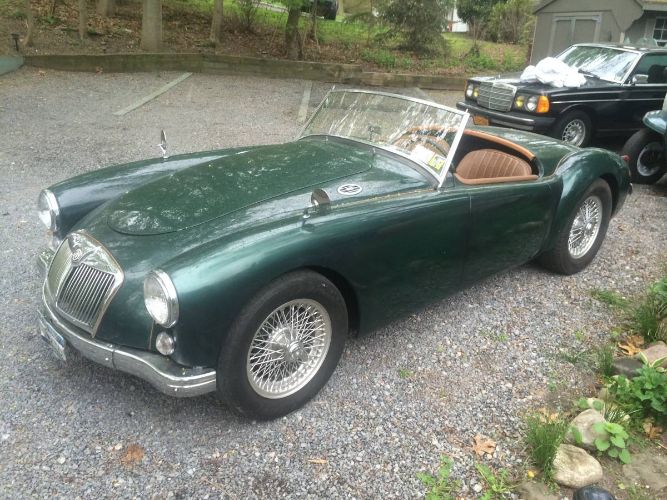
The MGA makes the usability and accessibility case with considerable force. Produced from 1955 to 1962 in approximately 101,000 units, the MGA is the most attainable British sports car of the period with an active marque community, readily available parts through specialists like Moss Motors, and a deeply honest mechanical simplicity that rewards owner maintenance. The 1,489cc pushrod engine (1,588cc in later cars, 1,622cc in the Twin Cam) is easily understood and rebuilt. The roadster body is elegant — Syd Enever's design is universally admired — and the driving experience is light, direct, and genuinely fun at speeds attainable on public roads. For a buyer whose priority is driving engagement at a reasonable total cost of ownership, the MGA is arguably the more rational choice at $12,000–$35,000.
The case for Porsche 356
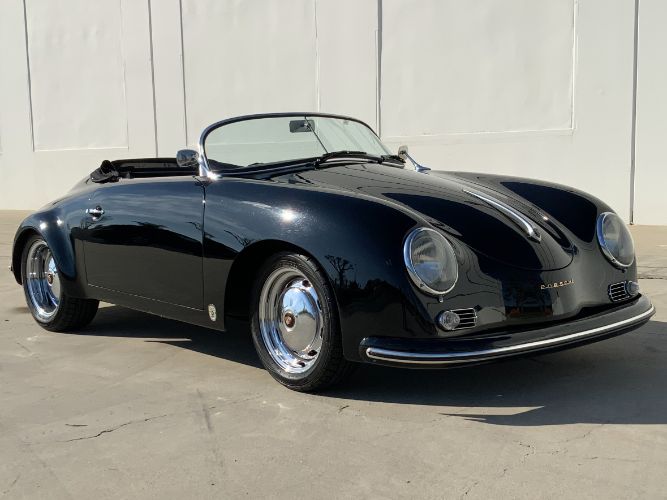
The Porsche 356 makes the investment case through engineering ambition, historical significance, and the scarcity of original examples. Ferry Porsche's decision to build on Volkswagen components — maximizing reliability while minimizing cost — resulted in a car whose mechanical architecture was continuously developed across three generations (356A, 356B, 356C) from 1948 to 1965. The rear-engine, air-cooled philosophy that defined Porsche for 70 years began here. Every 356 is traceable through Porsche AG's Kardex records, and the Porsche 356 Registry maintains authentication standards that protect buyers. The market premium — $55,000–$450,000 depending on variant versus $12,000–$35,000 for the MGA — reflects genuine rarity and historical weight. A 356A Speedster is among the most visually iconic sports cars of the 20th century.
Verdict
The Porsche 356 is the superior investment and carries greater historical weight. The MGA is the superior value proposition for a buyer whose primary goal is driving enjoyment on weekends at a manageable budget. They are not truly competing cars in the modern market — the price gap has separated them entirely. If your budget reaches the low end of the 356C market ($55,000–$70,000), you are buying a fundamentally different ownership experience, not simply a more expensive version of the MGA.
Recent MG MGA listings
 Dealer
 United States
1957 MG MGA
 Dealer
United States
Dealer
United States
1960 MG MGA
 Dealer
United States
Dealer
United States
1959 MG MGA
 Dealer
United States
Dealer
United States
1957 MG MGA
Recent Porsche 356 listings
 Dealer
United States
Dealer
United States
1970 Porsche 356
 Dealer
United States
Dealer
United States
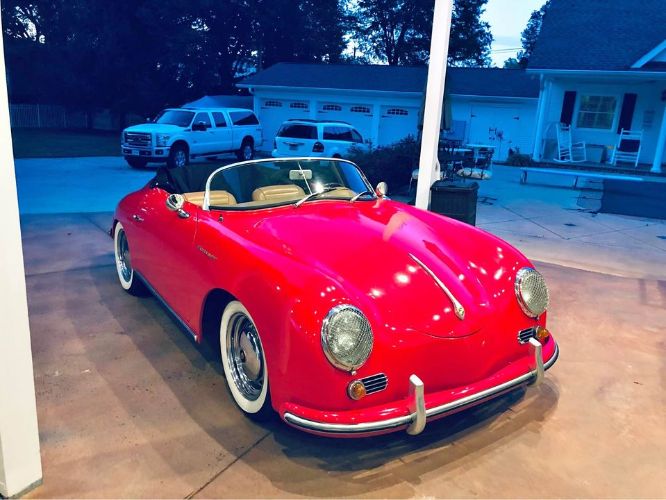
1955 Porsche 356
 Dealer
United States
Dealer
United States
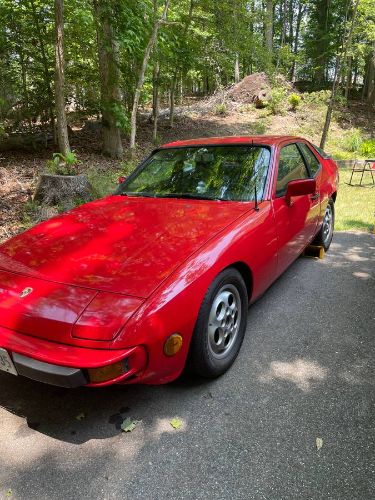
1987 Porsche 356
 Dealer
United States
Dealer
United States