
Porsche 912 vs Early 911 — Which Air-Cooled Entry Point?
<p>The Porsche 912 and the early 911 (2.0 litre, 1965–1969) share the same stunning body but take fundamentally different approaches to performance. The 912 uses the proven four-cylinder from the 356, making it lighter, more forgiving, and more accessible. The 911 uses the air-cooled flat-six that defined a dynasty. Both are legitimate Porsches — the choice between them is really a choice about what you want from the drive.</p>
Specs side-by-side
| Spec | Porsche 911 | Porsche 912 |
|---|---|---|
| Engine | Flat-6, 1,991cc, 130–160 hp (S) | Flat-4, 1,582cc, 90 hp |
| Curb weight | ~1,980 lbs | ~1,820 lbs |
| Production (1965–1969) | ~15,000 units (approx) | ~30,300 units |
| 0–60 mph (approx) | 8.5 sec (911 S) | 11.5 sec (base) |
| Driver-quality value (2026) | $60,000–$130,000 (S) | $28,000–$48,000 |
The case for Porsche 911
The early 911 (2.0-litre, 1965–1969) is the car Porsche intended. The flat-six — in S trim with Weber 40 IDS carburetors — revs to 7,200 rpm with an induction howl that nothing else replicates. The chassis balance at the limit is demanding but rewards skill in a way the 912 cannot match at its power level. For collector purposes, the 911 is the investment vehicle — early 911 S values have tripled since 2015, and there's no indication the trajectory will reverse. Buy the 912 to drive; buy the early 911 S to drive and to hold.
The case for Porsche 912
The 912 is the purist's lightweight. At roughly 100 lbs less than the 911, the 912 corners with more neutrality than the six-cylinder car, which carries significant tail-weight from the engine overhang. The 356-derived four-cylinder is simpler, less expensive to service, and produces approximately 90 hp — enough in a car this light to feel genuinely quick on a canyon road. Restoration costs are lower; parts for the four-cylinder engine are well-supported. In 2026, clean 912s have risen sharply in value — $28,000–$48,000 for a well-sorted example — but still trail equivalent 911s significantly, representing relative value within the air-cooled world.
Verdict
If this is your first air-cooled Porsche and you're primarily buying to enjoy it — the 912 is the better entry point. It's lighter, more forgiving, more affordable to restore and maintain, and still delivers genuine Porsche character. If you're buying with investment intent and can stretch to a 911 2.0 T or E, the appreciation curve strongly favors the flat-six car. In either case, rust-free body structure matters more than anything else in the purchase decision.
Recent Porsche 911 listings
 Dealer
 United States
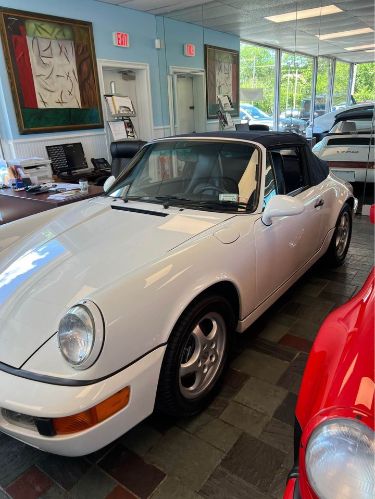
1993 Porsche 911
 Dealer
United States
Dealer
United States
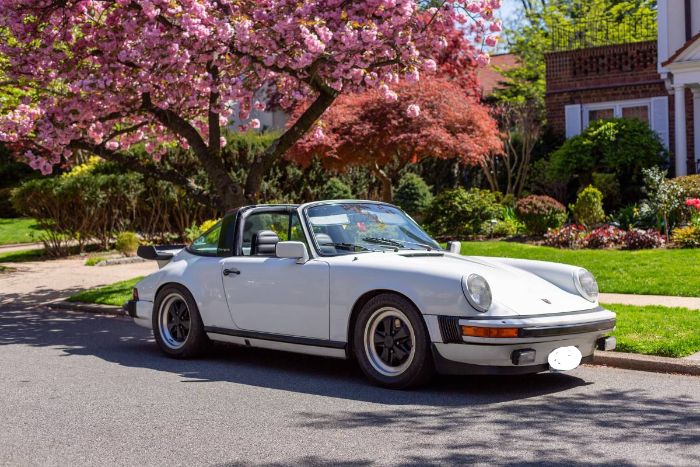
1982 Porsche 911
 Dealer
United States
Dealer
United States
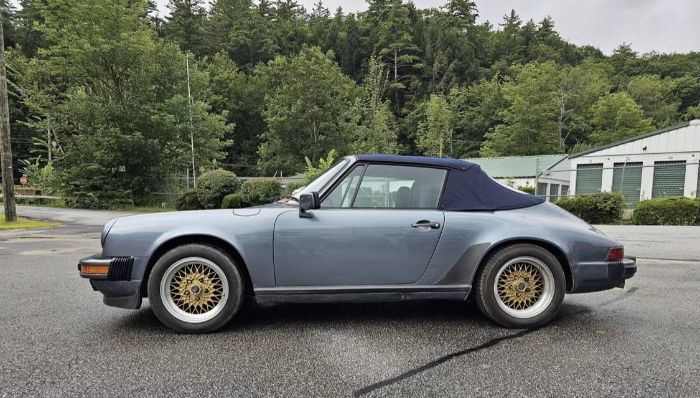
1983 Porsche 911
 Dealer
United States
Dealer
United States
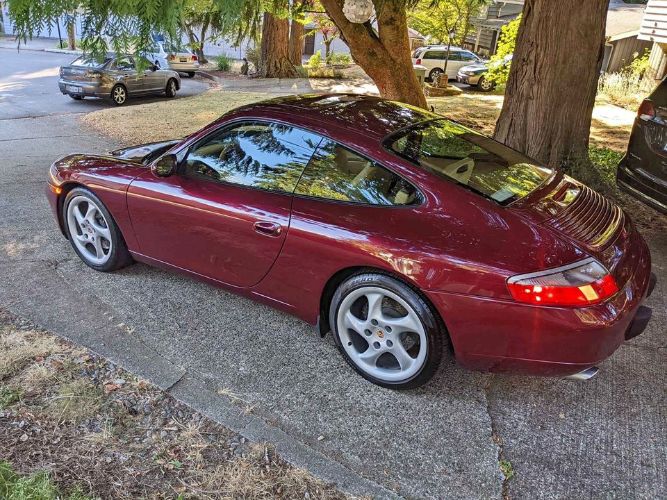
1999 Porsche 911
Recent Porsche 912 listings
 Dealer
United States
Dealer
United States
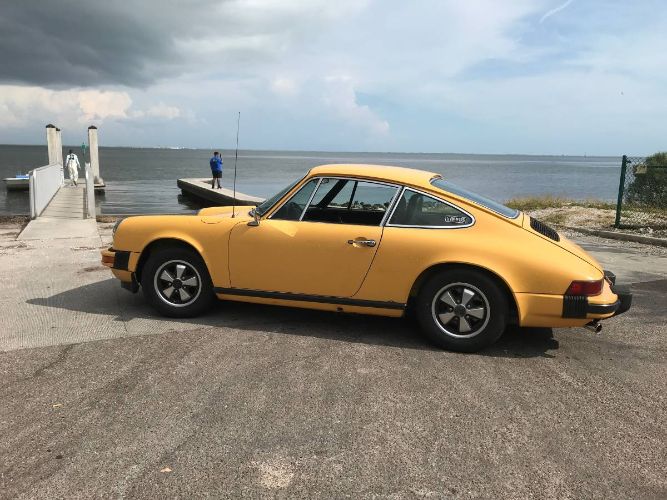
1976 Porsche 912
 Dealer
United States
Dealer
United States
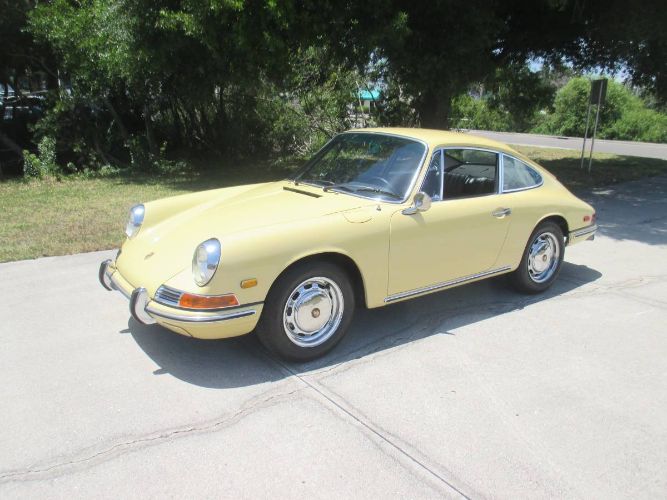
1968 Porsche 912
 Dealer
United States
Dealer
United States
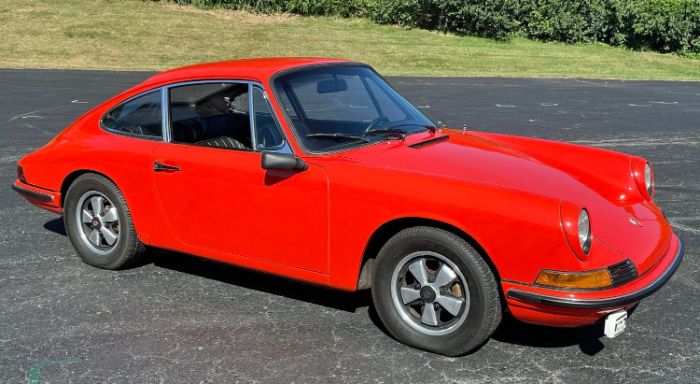
1968 Porsche 912
 Dealer
United States
Dealer
United States