


 United States
1968 Chevrolet C10
 United States
1968 Chevrolet C10
 United States
1968 Chevrolet C10
 United States
1968 Chevrolet C10
 United States
1968 Chevrolet C10
 United States
1968 Chevrolet C10
 United States
1968 Chevrolet C10
 United States
1968 Chevrolet C10
 United States
1968 Chevrolet C10
 United States
1968 Chevrolet C10
 United States
1968 Chevrolet C10
 United States
1968 Chevrolet C10
 United States
1968 Chevrolet C10
 United States
1968 Chevrolet C10
 United States
1968 Chevrolet C10
 United States
1968 Chevrolet C10
Beds, cabs and wheelbases
Every 1968 C10 pickup is a regular cab, two-wheel-drive half-ton. It came on two wheelbases with two bed styles:
- Short bed: 115 inch wheelbase with a 6.5 foot bed.
- Long bed: 127 inch wheelbase with an 8 foot bed.
- Fleetside: smooth, full-width bed sides with the wheel housings inside the box.
- Stepside: a narrow box with separate rear fenders, a step ahead of each rear wheel and a wood floor with steel skid strips.
Both bed styles were sold in both lengths. Fleetside floors were built in wood or in steel, so check which one a truck has. Reliable production counts by bed style and length are hard to find for 1968, and this page does not quote one. Short beds are the trucks most buyers look for today, and a long bed that has been shortened is a different thing from a factory short bed: look at the frame behind the cab for cut and weld lines.
Engines and transmissions
All 1968 ratings are gross horsepower. The standard engine was the 250 cubic inch six at 155 hp, with the 292 six at 170 hp as an option. The 307 V8 at 200 hp was new and replaced the 283. The 327 V8 was in its last year in the trucks. Published ratings differ, with 220 hp and 240 hp both in print. The 396 big-block was new to the light trucks for 1968. Published ratings for the truck 396 differ, with 310 hp and 325 hp both in print, and one reference adds a 275 hp two-barrel version. Factory 396 half-tons are scarce, so treat any big-block 1968 C10 as a swap until paperwork shows otherwise.
Transmissions included a column-shift three-speed manual as standard, a three-speed with overdrive, a floor-shift four-speed manual and the two-speed Powerglide automatic. Most Chevrolet C10s of this generation ride on coil springs and long trailing arms at the rear. Leaf springs were a factory option, so either can be correct.
Trim levels: base, Custom and CST
- Base truck: the plain work truck.
- Custom: sold in 1968 as the Custom Comfort and Custom Appearance equipment, which dressed up the interior and added bright exterior trim without the full CST package.
- CST (Custom Sport Truck): the top trim, introduced for 1967. It brought chrome bumpers, bright trim around the grille and headlamps, upper and lower side moldings on some trucks, carpet and an upgraded interior. CST trucks are found with a full-width seat or with bucket seats.
- 50th anniversary paint: 1968 was the 50th year of Chevrolet trucks, and a white, gold and white paint scheme was offered to mark it.
CST trim, emblems and moldings are all reproduced. The trim level is not in the VIN.
How to tell what the truck really is
The VIN plate is on the driver side door pillar, and the frame carries a stamped number as well. A 1968 VIN has 12 characters, for example CE148S followed by six digits:
- C: two-wheel drive. A K here is a four-wheel-drive K10, which has a driven front axle on leaf springs.
- E: built with a V8. An S is a six. The VIN does not say which V8 or which six.
- 1: half-ton. A 2 is a three-quarter-ton C20 and a 3 a one-ton.
- 4: pickup body.
- 8: model year 1968.
- The next character is the assembly plant, and the last six digits are the sequence number, which started at 100001.
Bed length and bed style are in the longer model number, not the VIN: CE10734 is a short Fleetside, CE10934 a long Fleetside, CE10704 a short Stepside and CE10904 a long Stepside. That number is printed on the Service Parts Identification (SPID) label inside the glove box door, together with the VIN and the options the truck was built with. Labels from 1967 and 1968 are less consistent in layout than later ones, many have been lost with a replaced glove box door, and reproductions are sold, so compare the label with the truck in front of you.
Without a tape measure, a C10 and a C20 are easiest to tell apart at the wheels: a 1968 C10 has six lugs and a C20 has eight.
What to inspect before you buy
- Cab rust: cab corners, rocker panels and inner rockers, floor pans and the cab supports under them, and the door bottoms where the drains clog.
- Front sheetmetal: the lower front fenders behind the wheels.
- Bed: cross sills, bed sides, wheel tubs and the floor. On a wood floor, check the boards and the steel strips. On a steel floor, look from underneath.
- Frame: rust where the body mounts bolt to the rails and around the kick-up over the rear axle, plus the trailing arms and their bushings. On a lowered truck, look at how the frame was notched.
- Brakes and wheels: the factory setup is four drums and six lugs. A truck with front discs and five-lug wheels has been converted, which many buyers prefer. Ask what parts were used.
- Restomods and LS swaps: the stock fuel tank sits in the cab behind the seat, so ask where the tank is now and how the fuel system was built for injection. Check the wiring, the cooling system, the engine and transmission mounts, the driveshaft and the exhaust for finished work, and ask for receipts and the donor engine details. Judge the truck on the quality of the work.
Related listings
- 1967 C10 and 1969 C10 for sale, or every 1967 to 1972 C10.
- Background: how to spot each 1967 to 1972 model year and how to decode a C10 VIN.
- Before you buy: the most common C10 rust spots and the difference between a C10 and a C20.
In-Depth Answers
Editorial Q&A · 2 articlesHow do I decode a square-body Chevrolet truck VIN?
Square-body Chevrolet trucks (1973–1987) use an 11-digit VIN through 1980 and the standardized 17-digit format from 1981 onward. The 11-digi...
How reliable are square-body Chevy trucks (1973–1987)?
A well-maintained square-body Chevrolet C/K truck is one of the most reliable classic vehicles you can own. The 350 small block is bulletpro...
Recently Ended Chevrolet C10 Listings
See all 3,158 past listings →| Vehicle | Last Asking Price |
|---|---|
| 1972 Chevrolet C10 | $32,997 |
| 1972 Chevrolet C10 | $22,972 |
| 1972 Chevrolet C10 | $27,900 |
| 1976 Chevrolet C10 | $15,976 |
| 1979 Chevrolet C10 | $12,995 |
| 1963 Chevrolet C10 | $39,995 |
Head-to-Head Comparisons
Frequently Asked Questions about the 1968 Chevrolet C10
Car alert
Get an email when a 1968 Chevrolet C10 is listed
At most one email a day. Stop anytime with one click.
Articles About the Chevrolet C10
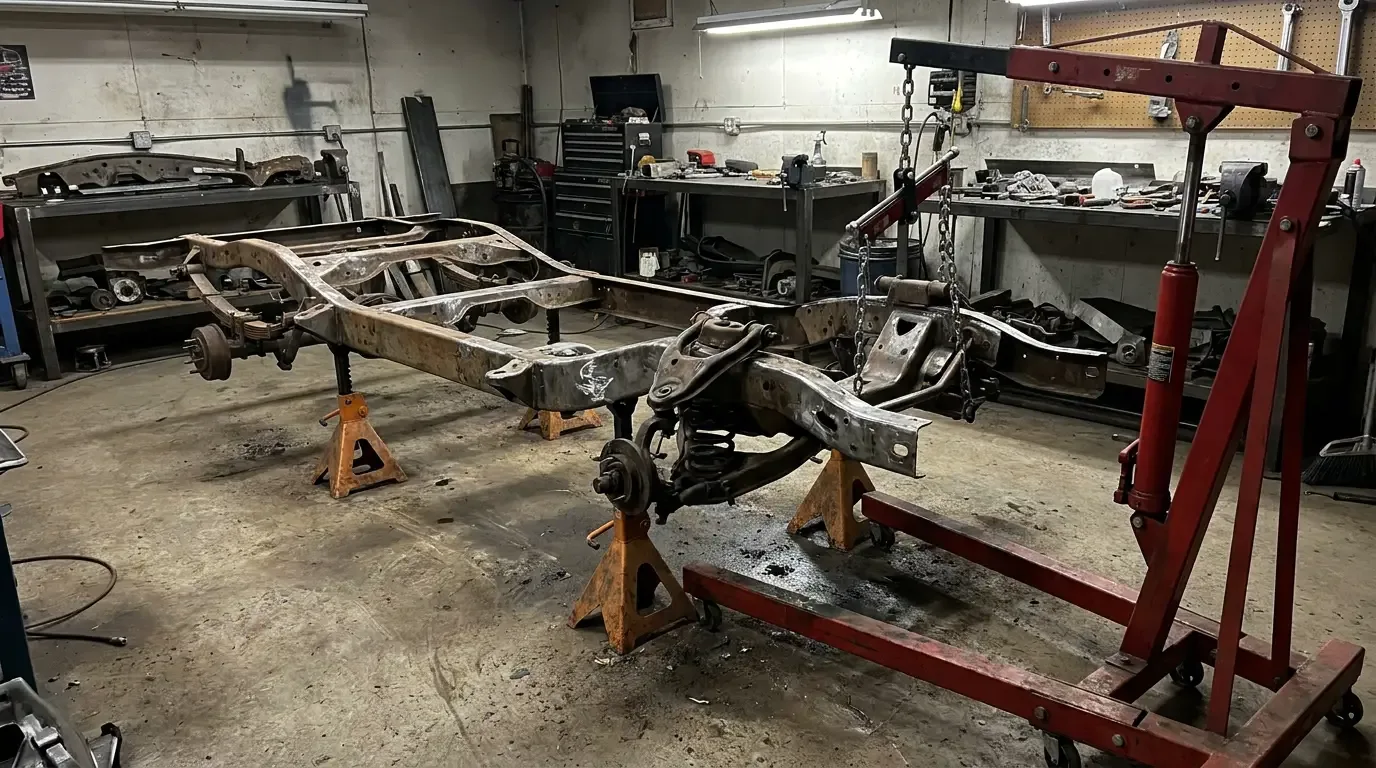
How to Prep and Paint a Classic C10 Frame
How to strip a C10 frame to bare metal, treat rust in hidden sections, and choose and apply a coating that actually holds up.
Jul 20, 2026
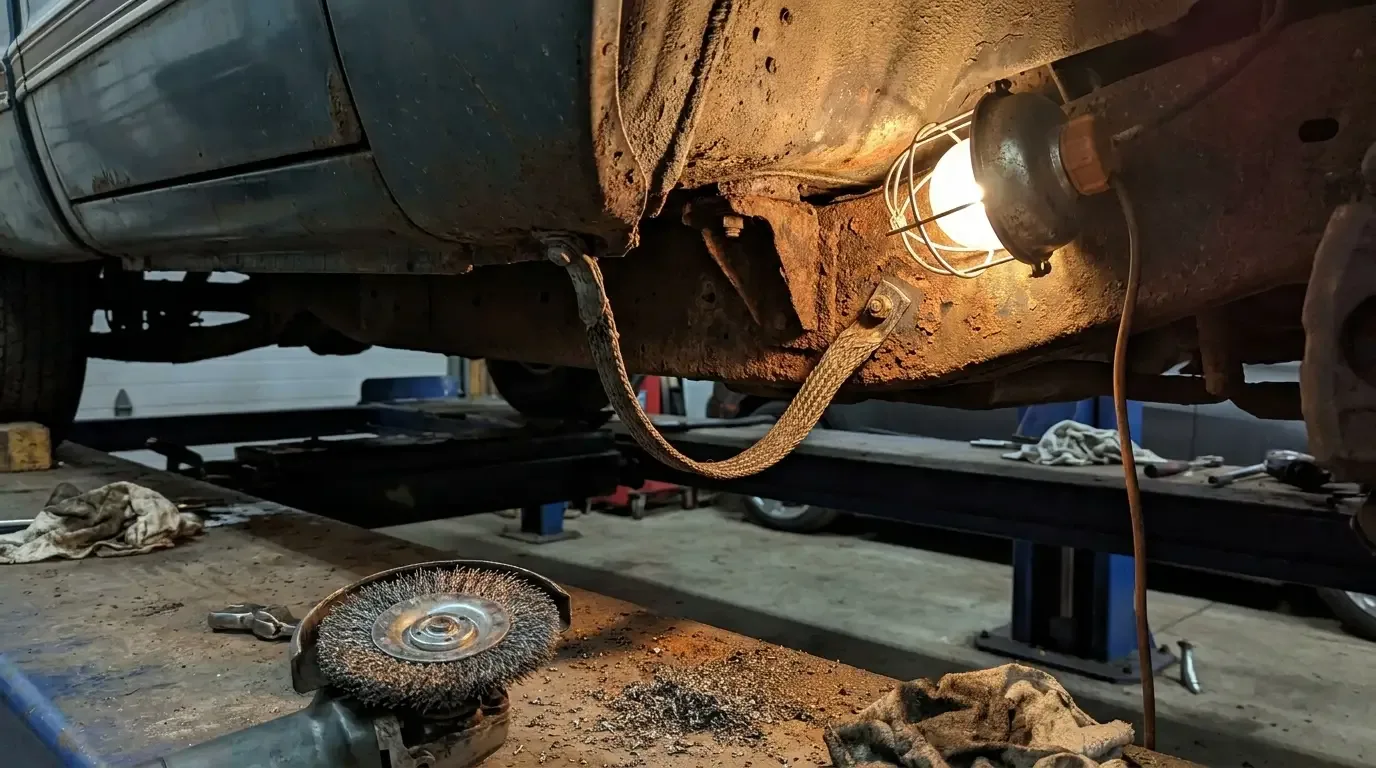
Troubleshooting Electrical Grounding Issues on a C10 Chassis
Flickering lights and phantom electrical gremlins on a C10 almost always trace back to a corroded ground, not a bad part. Here's where the factory grounds live and how to test them properly.
Jul 20, 2026
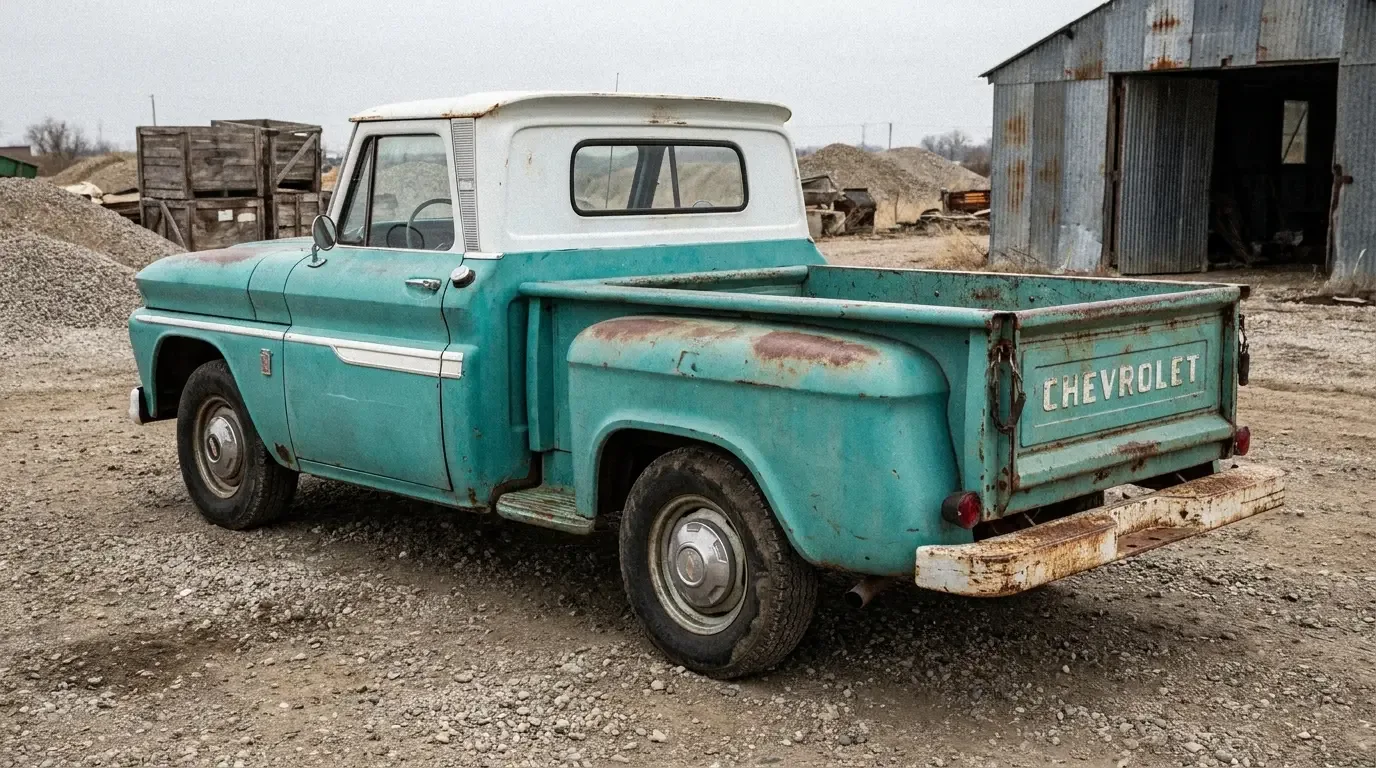
Stepside vs Fleetside: C10 Bed Production Numbers and History
How the split between Stepside and Fleetside beds shifted across three C10 generations, and what the production numbers actually mean for buyers chasing a stepped-bed truck today.
Jul 16, 2026
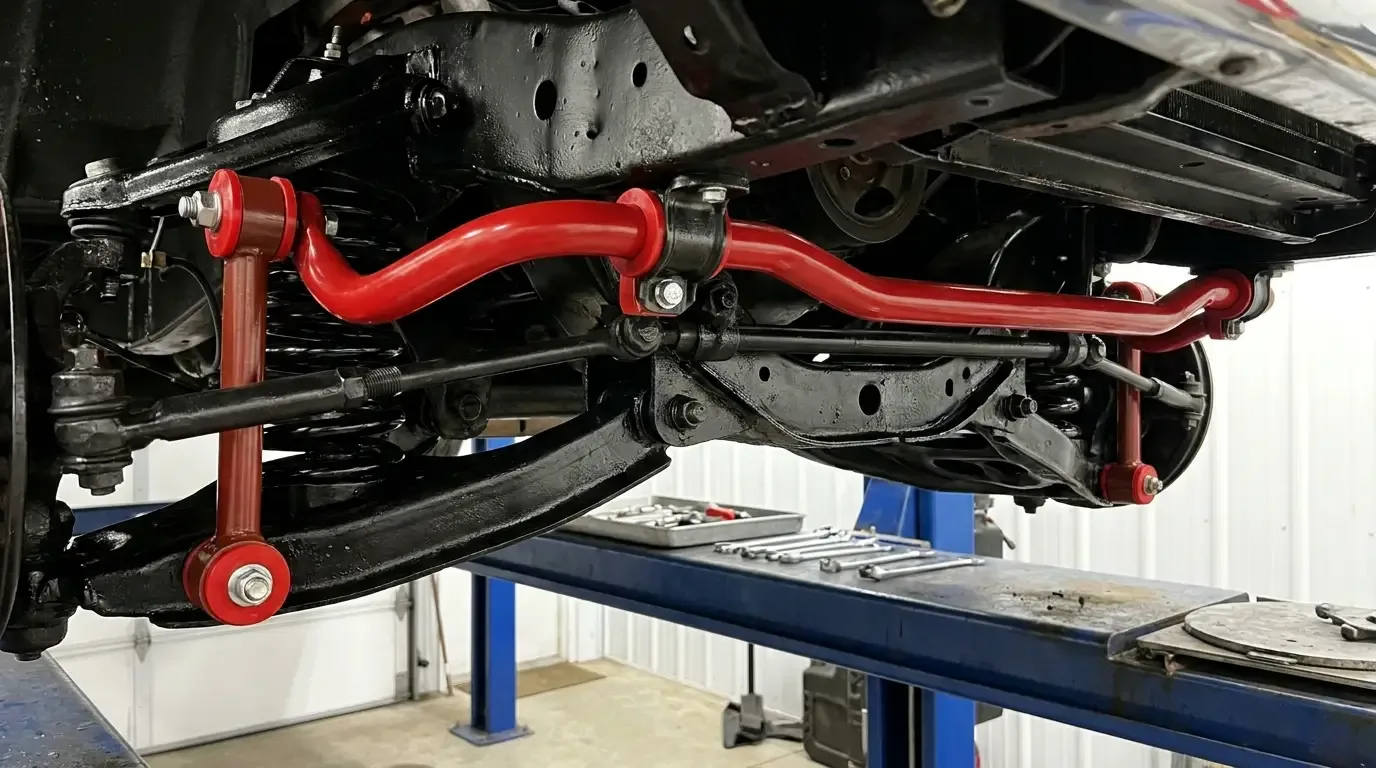
Front Sway Bar Upgrades for Better C10 Cornering
Why a lowered C10 needs a bigger front sway bar than stock, how bar diameter changes handling, and the installation details that get overlooked.
Jul 16, 2026