Published June 10, 2026Updated June 27, 20263 generations1960–1987
The C10 is the half-ton, two-wheel-drive Chevrolet pickup, and for most of its run it was a working tool first and everything else second. The C stood for two-wheel drive, the 10 for the half-ton load rating. From 1960 to 1987 it went through three distinct generations, and every one of them is collectible now for reasons the people who bought them new would have found hard to believe. A truck that sold for around $2,000 in 1965 can bring twenty times that today if it is the right cab and the right drivetrain. Here is how the C10 got from there to here.
Chevrolet C10 — Generation by Generation
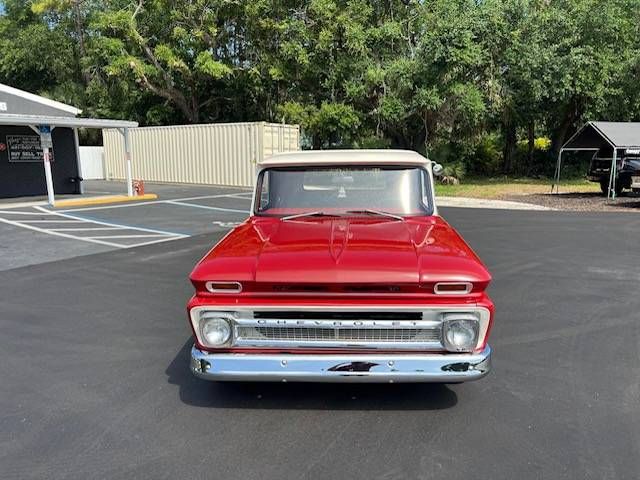
1960–1966
First Generation (C/K)
"The truck that introduced independent front suspension"
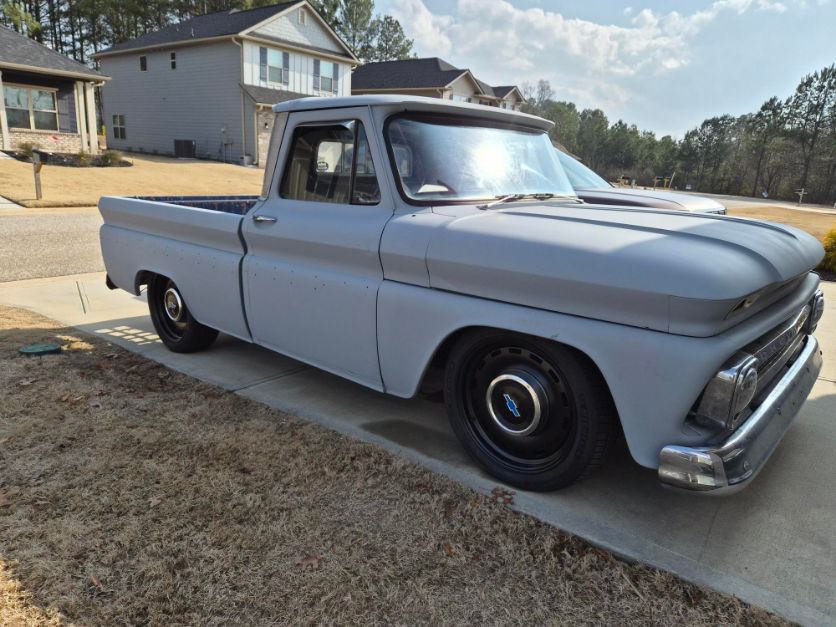
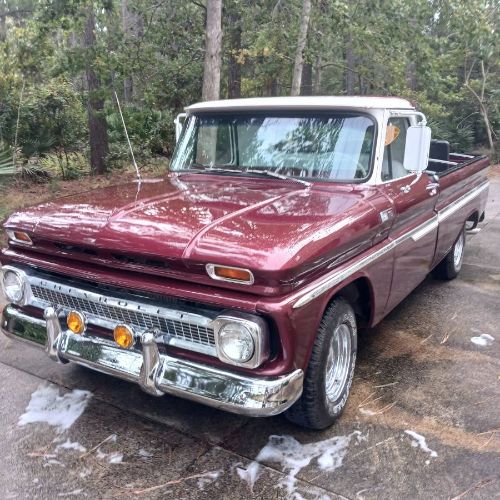
The 1960 redesign moved Chevrolet trucks onto a drop-center frame and, for the two-wheel-drive models, an independent front suspension with torsion bars on the early trucks and coil springs from 1963 on. That was a real change for a half-ton, and it gave the C10 a car-like ride that the Ford and Dodge competition could not match yet. The 1960 and 1961 trucks wore a wraparound windshield and prominent hood pods; the 1962 facelift cleaned that up. From 1963 the coil-spring trailing-arm rear and the new 230 and 292 inline-sixes made these trucks both better riding and more durable.
Key Changes
→
Independent front suspension on two-wheel-drive models
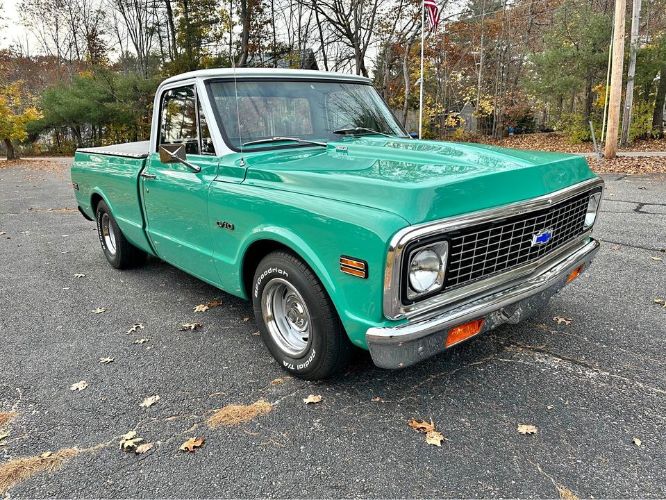
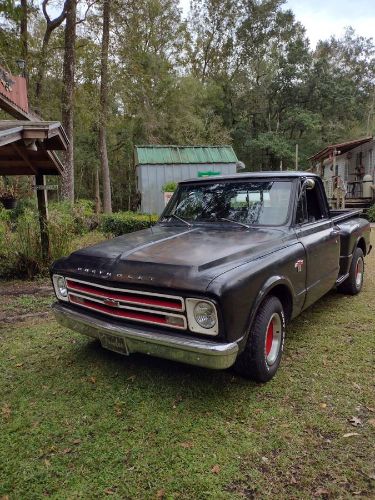
The 1967 redesign is the one most people picture when they hear C10. Chevrolet called it the Action Line, and the shape was lower, wider, and cleaner than anything in the truck market. The CST trim brought carpet, bucket seats, and wood-grain dash inserts to a pickup for the first time, which is where the "glamour pickup" nickname came from. The 1969 facelift brought a wider grille, and 1971 added front disc brakes. Big-block 396 and 402 engines were available for buyers who actually towed. Short-bed fleetside trucks from these years are the blue-chip C10s today.
Key Changes
→
All-new lower, wider Action Line body
→
CST luxury trim package introduced
→
Front disc brakes standard from 1971
→
Big-block 396/402 V8 availability
→
1969 grille facelift, 1971 to 1972 egg-crate grille
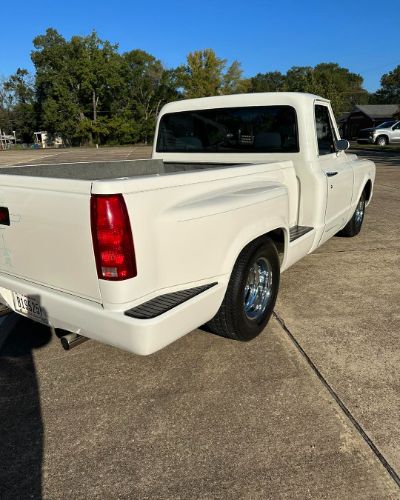
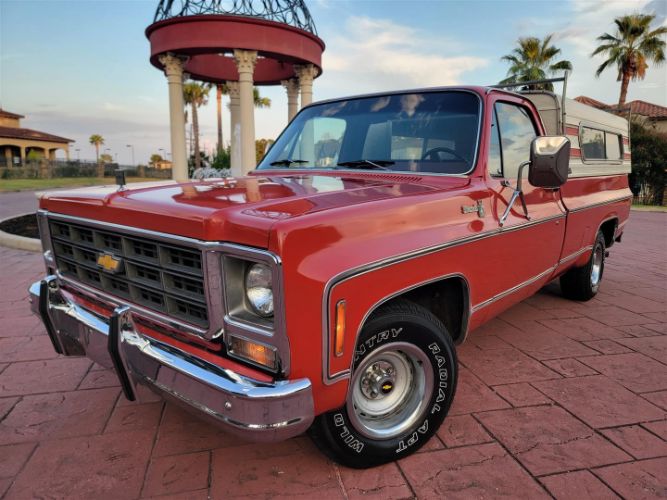
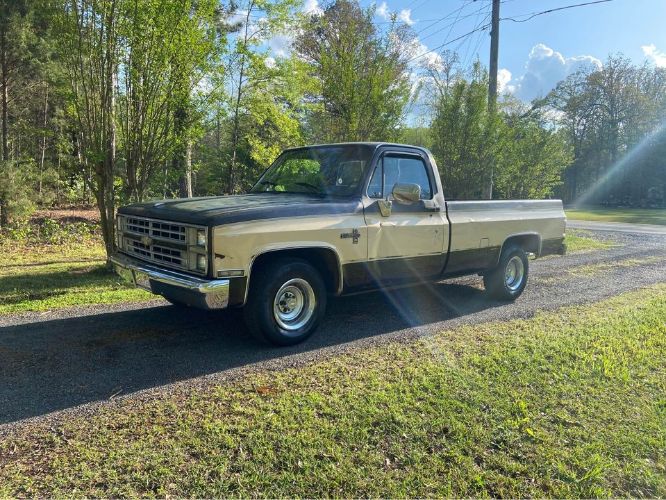
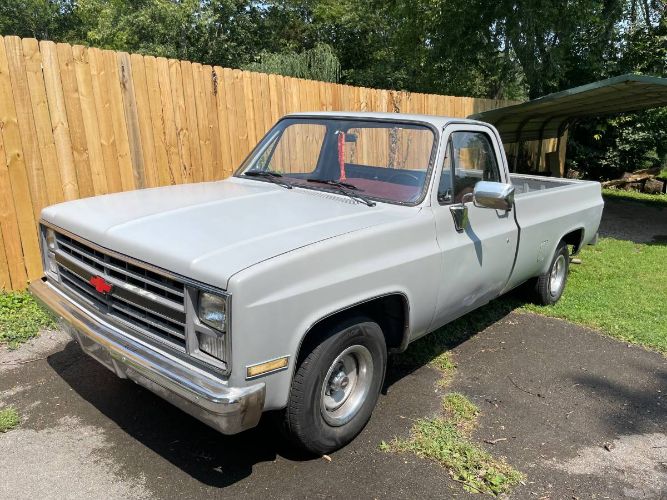
The 1973 trucks, known to everyone now as the Square Body, ran an astonishing fifteen years with only detail changes. Chevrolet built them tougher, roomier, and with better aerodynamics than the slab-sided look suggests. Crew cab and the Bonanza and Silverado trim levels expanded what a pickup could be. Fuel injection arrived late on the 1987 trucks. Because so many were built and so many survived, the Square Body has become the entry point into classic truck ownership, with an aftermarket deep enough to build one any way you want.
What makes the C10 worth chasing is that it stayed honest for nearly thirty years. The mechanicals are simple, parts support is the best in the classic truck world, and the body lines still look right in a driveway. First-generation trucks have the rarity, the 1967 to 1972 Action Line trucks have the styling collectors fight over, and the Square Body has the aftermarket and the sheer numbers that keep a project affordable. Buy the cleanest frame you can find. The rest of the truck you can fix.
Frequently Asked Questions
Chevrolet built the C10 from 1960 through 1987 across three generations. The C10 name was retired after 1987 when the GMT400 trucks arrived and the half-ton became the C1500.
The 1967 to 1972 trucks, known as the Action Line or "glamour" pickups, command the strongest prices, especially short-bed fleetside models. Clean first-generation 1963 to 1966 trucks are close behind.
The C designates two-wheel drive and the K designates four-wheel drive. Both were half-ton trucks built on the same body, but the K10 sits taller and uses a different front suspension and transfer case.
📖
Thinking of Buying One?
Read our Chevrolet C10 Buyer's Guide — pre-purchase checklist, common issues, and pricing.
Texas-based classic truck enthusiast with decades of experience buying, restoring, and writing about American pickups from the 1940s through the 1980s.


 Dealer
 United States
 Dealer
 Dealer
 Dealer
 Dealer
 Dealer
 Dealer
 Dealer
 Dealer