
How do I decode a square-body Chevrolet truck VIN?

The square-body generation (1973–1987) is the most collected era of Chevrolet C/K trucks. Decoding the VIN and trim tag is straightforward once you understand the format — and it's the fastest way to separate genuine high-trim trucks from base models that've been appearance-converted.
1973–1980 VIN Format (11 Digits)
Example: CCE143A123456
- C = Chevrolet
- C = C-series (2WD) or K = 4WD
- E = series (E = 1500, F = 2500, H = 3500)
- 1 = body style (1 = chassis cab, 4 = stepside, 3 = fleetside)
- 4 = engine code (4 = 250 six, T = 350, U = 400, Y = 454)
- 3 = model year
- A = assembly plant
- 123456 = sequence
1981–1987 VIN Format (17 Digits — NHTSA Standard)
From 1981, all vehicles used the standardized 17-character VIN. Position 10 is the model year (B=1981, C=1982 etc.); position 8 is the engine code. Cross-reference against published Chevrolet VIN decoder tables for the complete breakdown.
The Trim Tag
The door jamb trim tag is the critical document for verifying factory trim level. The paint code (two letters) must match the trim tag. For a claimed Cheyenne Super or Silverado package, the trim code must confirm it — these were RPO options, not standard equipment, and base trucks are frequently retrofitted with Silverado badges that don't match any factory record.
Engine Codes to Know
- T = 350 V8 (most common)
- U = 400 V8 (less common, more torque)
- Y = 454 V8 (rare, most valuable)
- L = 250 inline-six
Browse current listings
 Dealer
 United States
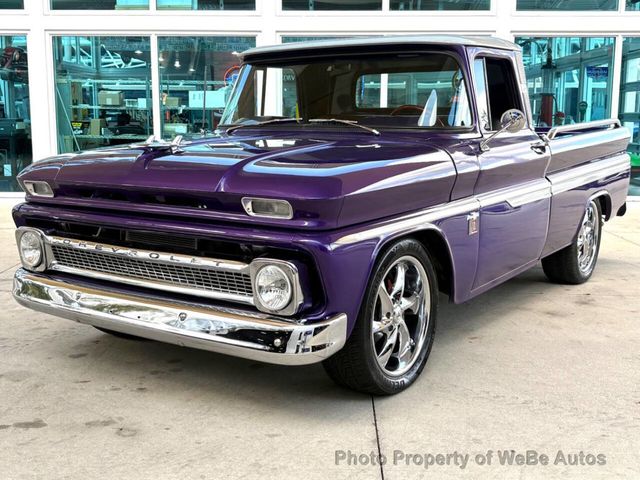
1963 Chevrolet C10
 Dealer
United States
Dealer
United States
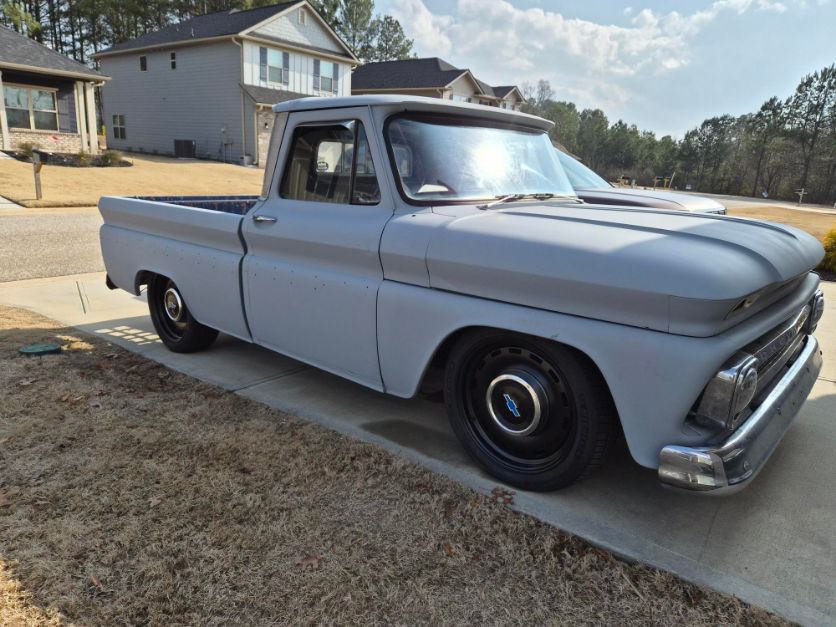
1965 Chevrolet C10
 Dealer
United States
Dealer
United States
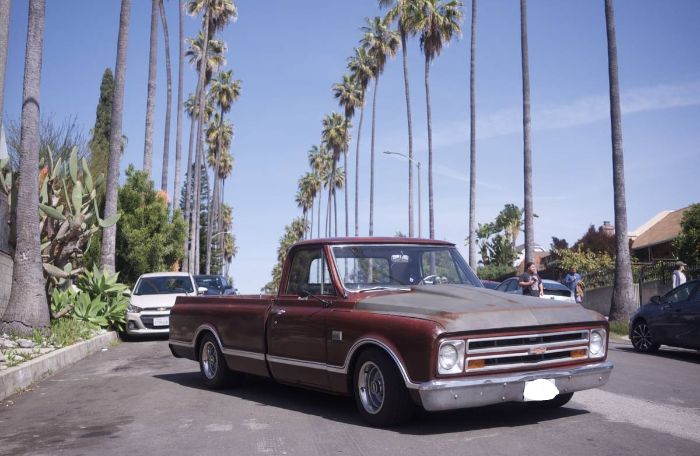
1967 Chevrolet C10
 Dealer
United States
Dealer
United States
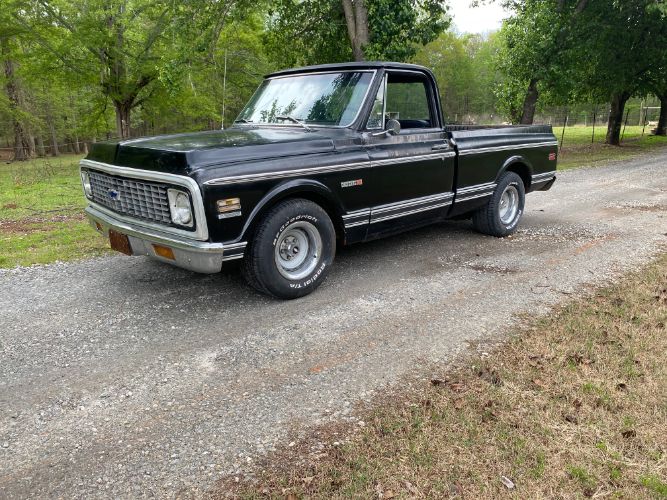
1971 Chevrolet C10
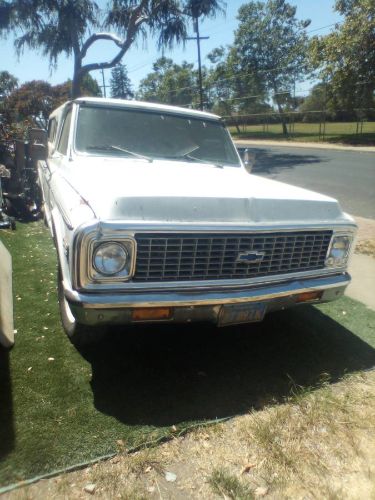 Dealer
United States
Dealer
United States
1972 Chevrolet C10
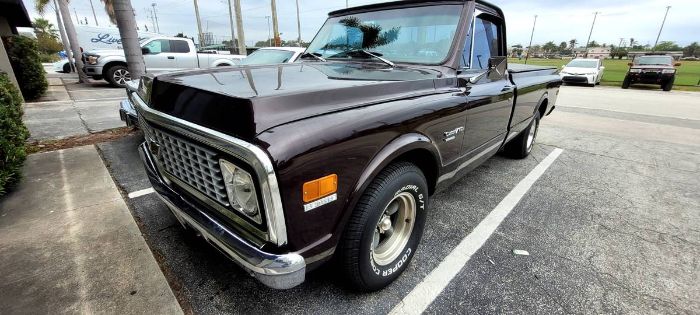 Dealer
United States
Dealer
United States