Published June 10, 2026Updated June 29, 20264 generations1957–1979
People give Chevrolet credit for the car-truck, but Ford got there first. The Ranchero hit the market in 1957, two years before the El Camino, and it ran for more than two decades while it rode through just about every Ford platform there was. It started full-size, shrank to a compact Falcon, grew into an intermediate, and finished as a big Torino-based cruiser. That makes the Ranchero a moving target when you go to buy one, because a 1957 and a 1972 have almost nothing in common except the idea. Knowing which era you are looking at, and what was under it, is the whole job. Here is how it went.
Ford Ranchero — Generation by Generation
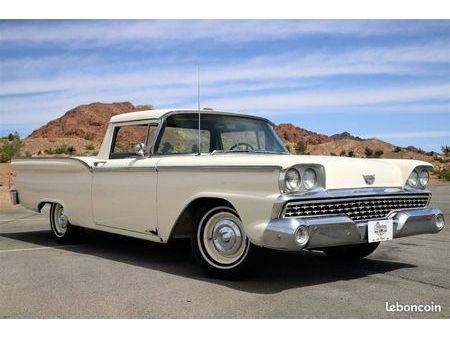
1957–1959
Full-Size
"The original car-truck"
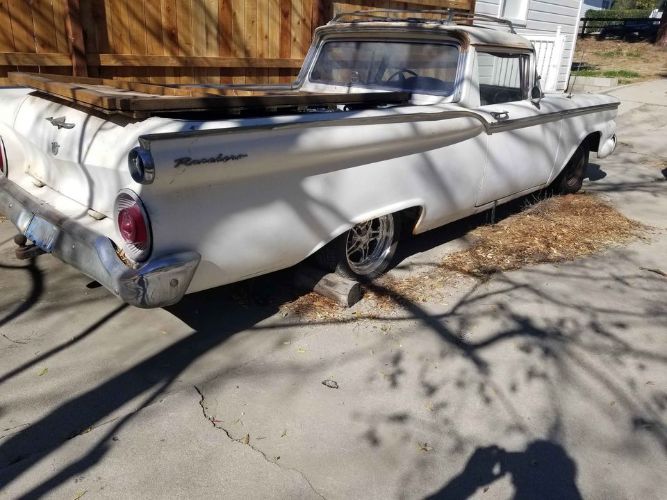
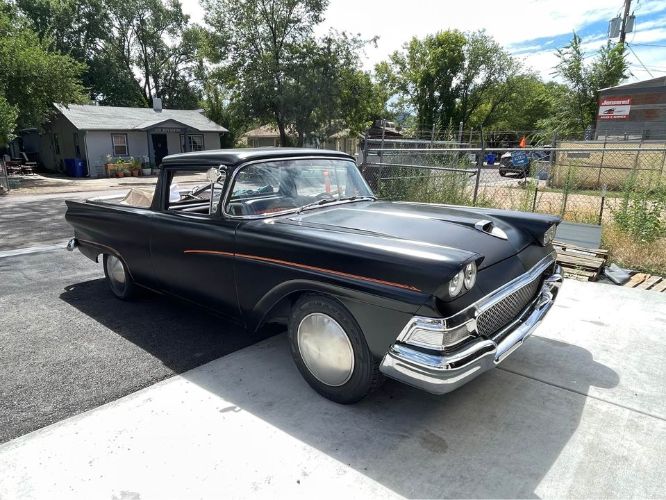
The first Ranchero was based on the full-size Ford station wagon, which gave it a long, low body and the bold styling of the late Fifties. It beat the El Camino to market by two years and proved there was a buyer for a car that hauled like a light truck. Engine choices ran from the six up to the Y-block V8. These early full-size cars are the historically important originals and wear the most flamboyant styling of any Ranchero.
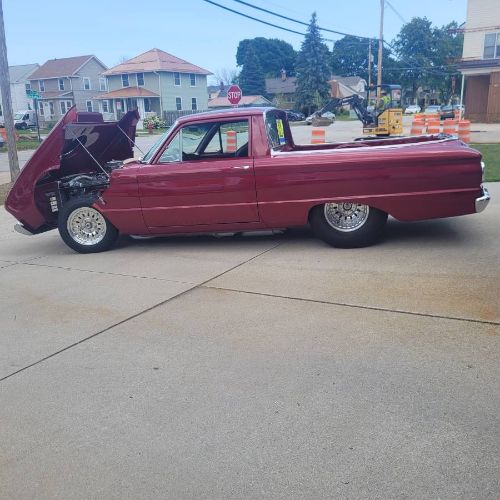
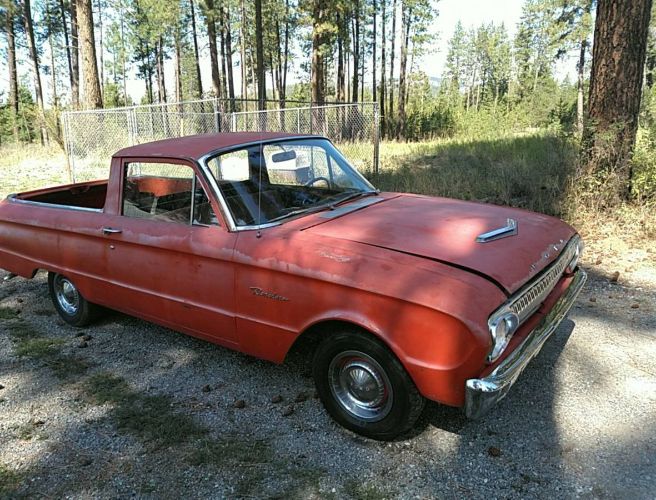
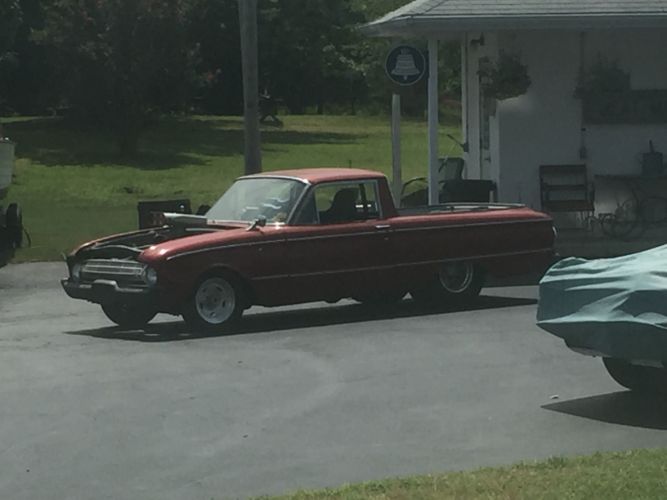
For 1960 the Ranchero shrank dramatically onto the new compact Falcon platform, becoming a light, economical hauler powered mostly by sixes with small V8s available later in the run. It was the right size for a lot of buyers and sold well as an inexpensive work vehicle. These compact Rancheros are simple and affordable today, and they make an easy entry into the model for someone who wants the idea without big-car running costs.
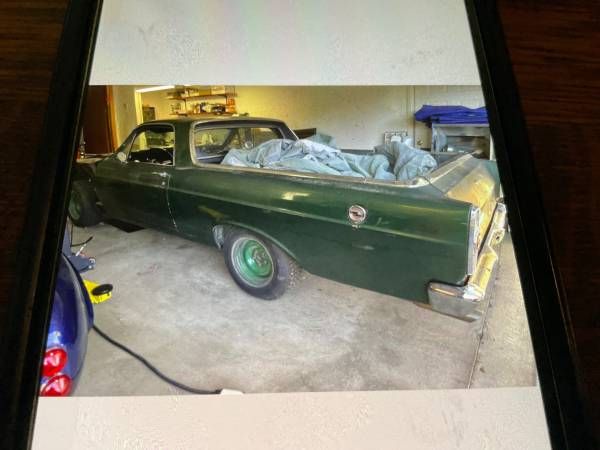
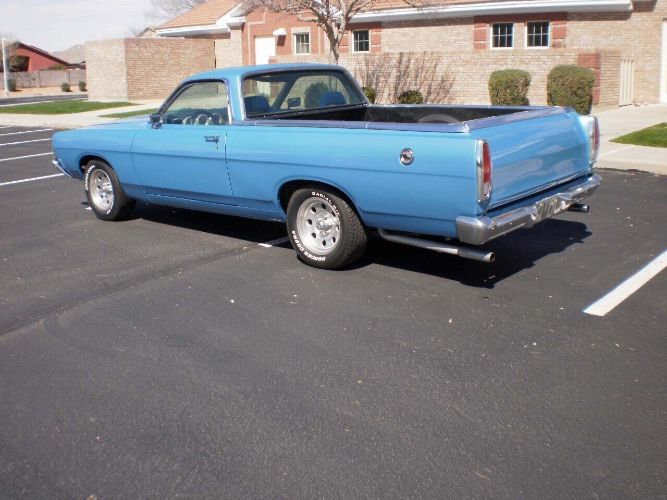
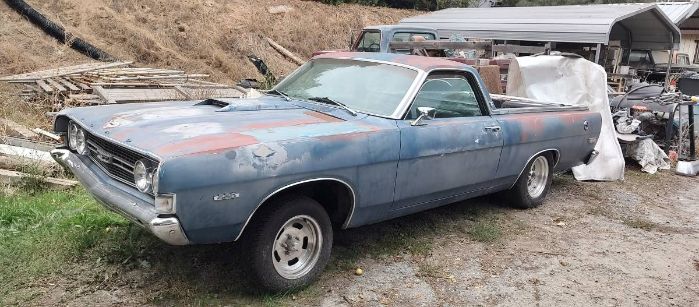
The Ranchero moved up to the intermediate Fairlane and then Torino platforms, and that is where it got fast. The GT trim and the availability of the 428 Cobra Jet big block for 1968 to 1970 put the Ranchero squarely in muscle car territory, with the looks and the power to match. The 1970 to 1971 cars wear the bold Coke-bottle Torino styling. These intermediate cars, the Cobra Jet GTs especially, are the most desirable Rancheros.
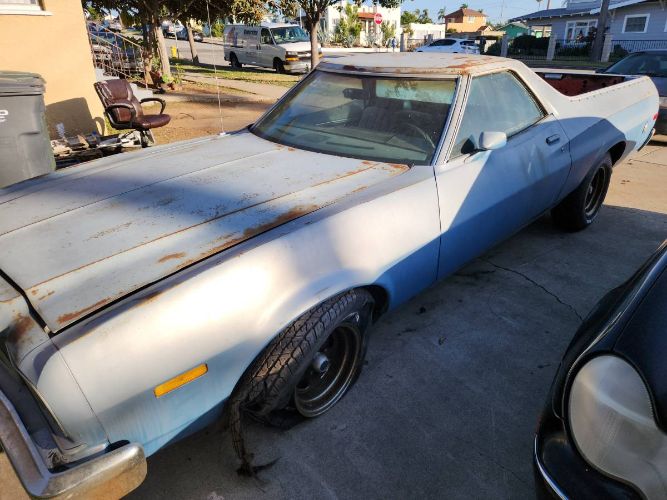
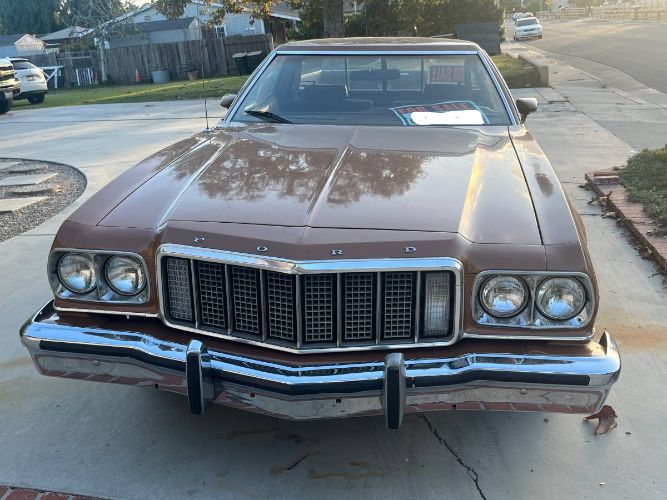
The 1972 redesign put the Ranchero on the bigger Torino body, and emissions and safety rules turned it into a heavier, softer cruiser through the 1970s. The GT and Squire trims carried on, the latter with wood-grain bodyside trim, but the muscle had faded. For 1977 the Ranchero moved to the LTD II platform and continued until 1979, when Ford ended the model. These later cars are comfortable, affordable, and the easiest Rancheros to find, even if they lack the punch of the intermediate years.
The cars worth chasing depend on what you want. The 1957 to 1959 full-size Rancheros have the historical claim as the first of the breed and the boldest styling. The 1968 to 1971 intermediate cars are the performance picks, with the 428 Cobra Jet and GT trim putting them in real muscle territory, and those are the ones that bring the money. The compact Falcon cars are the affordable, simple entry. Whatever you buy, remember it is still a Ford car underneath, so it shares parts and problems with the Fairlane, Falcon, or Torino it was based on, and the bed and rear floor are where these rot. Check the unibody on the later cars before you write a check.
Frequently Asked Questions
Yes. Ford introduced the Ranchero for 1957, two years before Chevrolet launched the El Camino in 1959. The Ranchero is generally credited as the first modern American car-based pickup.
The 1968 to 1970 Ranchero GT could be ordered with the 428 Cobra Jet V8, the same big block offered in Ford's muscle cars, making those the quickest Rancheros built.
The Ranchero rode on several Ford platforms over its life: full-size for 1957 to 1959, the compact Falcon for 1960 to 1965, the intermediate Fairlane and Torino through the 1960s and 70s, and finally the LTD II for 1977 to 1979.
📖
Thinking of Buying One?
Read our Ford Ranchero Buyer's Guide — pre-purchase checklist, common issues, and pricing.


 Dealer
 United States
 Dealer
 Dealer
 Dealer
 Dealer
 Dealer
 Dealer
 Dealer
 Dealer
 Dealer
 Dealer
 Dealer