Published June 10, 2026Updated June 19, 20264 generations1967–1976
The Cougar always wanted to be a little more grown up than the Mustang it shared so much with, and that tension is what makes it interesting. Mercury took the pony car formula, stretched it, added hidden headlamps and sequential turn signals, and aimed it at a buyer who wanted style and a touch of luxury with the performance. For a few years in the late Sixties it pulled off both, with the Eliminator giving it real muscle credibility while the XR-7 sold the upscale angle. Then it grew, and grew again, and drifted toward pure personal luxury. The classic Cougar story is about a car that started as a refined pony and slowly became something softer. Here is how it went.
Mercury Cougar — Generation by Generation
1967–1968
First Generation
"The upscale pony car"
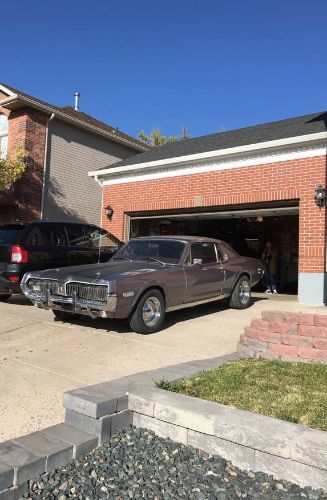
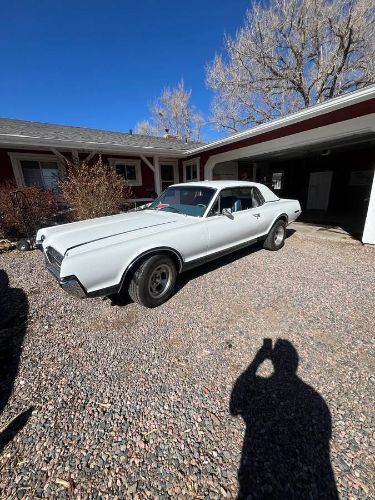
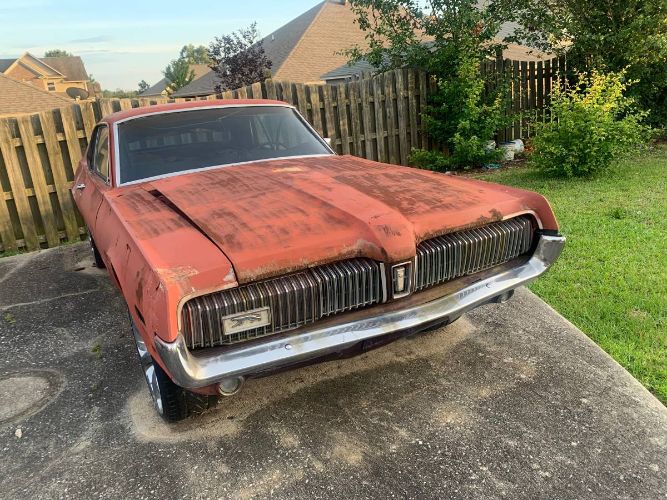
The Cougar launched for 1967 as Mercury's take on the pony car, sharing the Mustang platform but riding a longer wheelbase and wearing distinctive hidden headlamps and sequential turn signals. The XR-7 added a luxurious interior with a wood-rimmed wheel and toggle switches, while the GT brought the 390 big block. It was an immediate success and won Motor Trend Car of the Year. These first cars established the Cougar as the refined alternative to the Mustang.
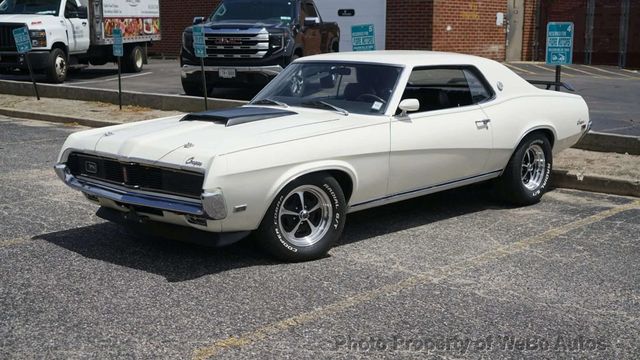
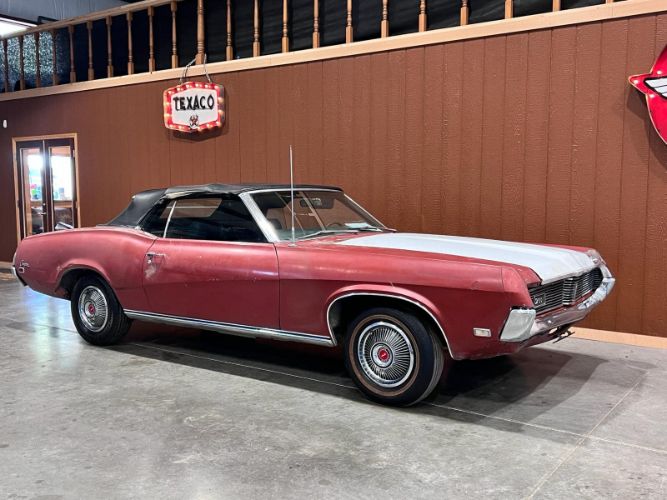
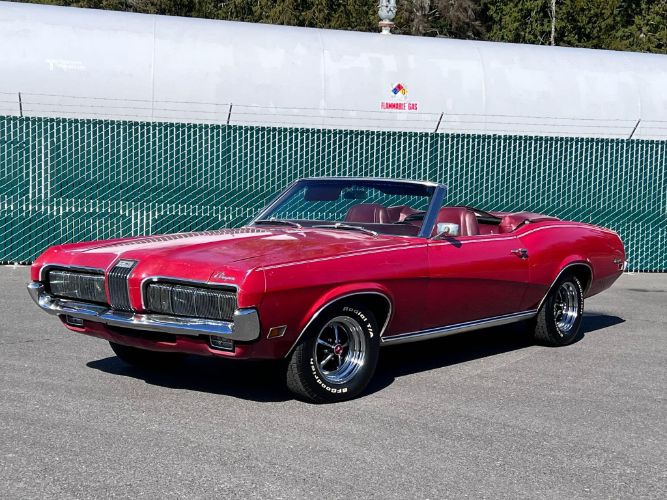
The 1969 redesign grew the Cougar slightly and added a convertible to the lineup. The big news was the Eliminator, a performance model with bold colors, a front spoiler, and engines ranging up to the Boss 302 and the 428 Cobra Jet, giving the Cougar genuine muscle credibility. The XR-7 continued to carry the luxury angle. These cars balanced style and performance better than any other Cougar generation, and the Eliminator and convertibles are the most collectible.
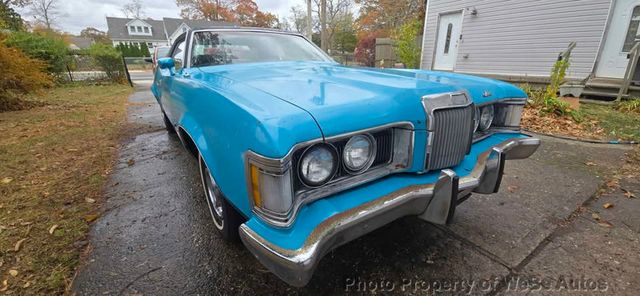
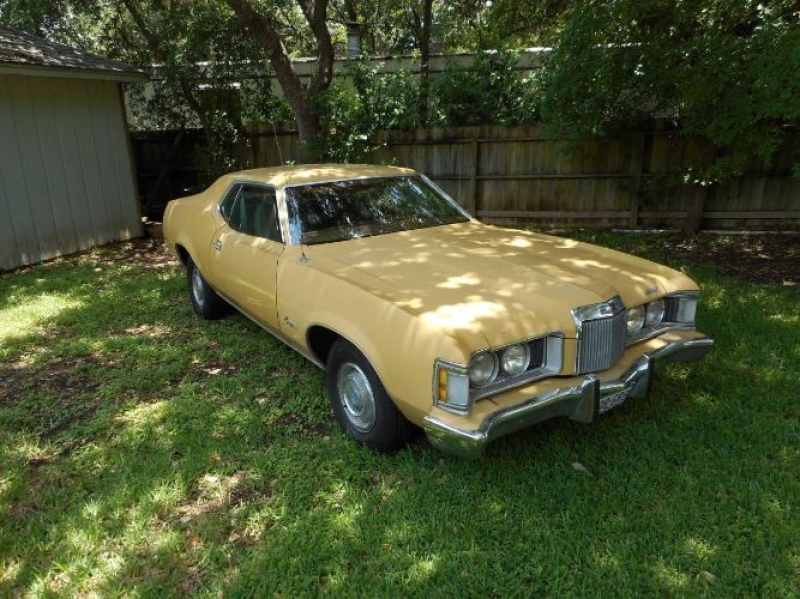
The 1971 redesign grew the Cougar again, following the Mustang into a bigger, heavier body. It remained a genuine pony car with convertible and XR-7 versions, but the performance focus softened as the muscle era wound down and engines were detuned for emissions. These cars are handsome and more affordable than the earlier Cougars, and the convertibles in particular have a following as the last open-top pony car Cougars.
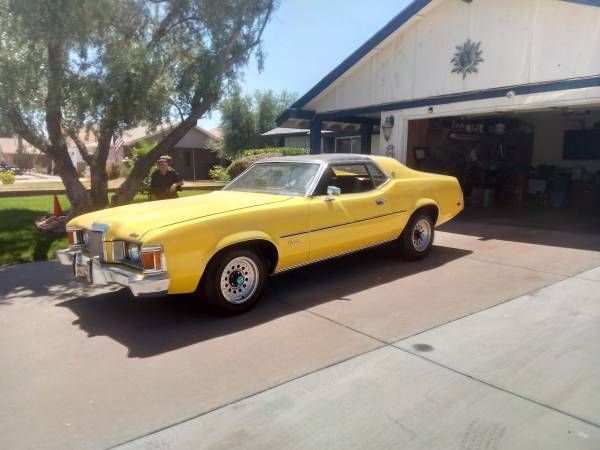
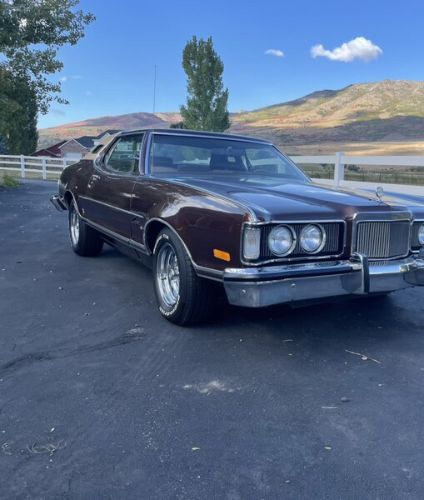
For 1974 the Cougar left the pony car class entirely, moving to the mid-size Montego platform as a personal luxury coupe aimed at the same buyers as the Monte Carlo and the Grand Prix. The XR-7 became the sole model, plush and formal, with little connection to the sporty original. These cars are comfortable cruisers and the most affordable classic Cougars, though they offer none of the performance that made the early cars famous.
The cars enthusiasts chase are the 1967 to 1970 Cougars, the XR-7 for the style and the 1969 to 1970 Eliminator for the performance, with Boss 302 and 428 Cobra Jet Eliminators sitting at the top alongside the convertibles. The 1971 to 1973 cars are larger but still genuine pony cars and more affordable. The 1974 to 1976 cars had moved fully to personal luxury and are a different proposition entirely. Whatever you find, the Cougar shares much of its mechanical story with the Mustang, which helps parts support, but the unique trim and the hidden-headlamp hardware can be harder to source. A complete, rust-free car is worth chasing over a stripped project.
Frequently Asked Questions
Yes. The 1967 Cougar shared its platform with the Ford Mustang but rode a longer wheelbase and wore unique styling with hidden headlamps and sequential taillights, positioned as a more upscale and refined pony car.
The Eliminator was the performance Cougar offered in 1969 and 1970, with bold colors, a spoiler, and engine options up to the Boss 302 and the 428 Cobra Jet. It is the most collectible classic Cougar.
The Cougar grew larger through the early 1970s and, for 1974, moved to the mid-size Montego platform as a personal luxury car. After that it was no longer a pony car, shifting fully toward comfort and style.
📖
Thinking of Buying One?
Read our Mercury Cougar Buyer's Guide — pre-purchase checklist, common issues, and pricing.


 Dealer
 United States
 Dealer
 Dealer
 Dealer
 Dealer
 Dealer
 Dealer
 Dealer
 Dealer
 Dealer