
Nissan 300ZX Buyer's Guide
The Nissan 300ZX represents Japanese sports car engineering at its most ambitious — especially the Z32 generation with its twin-turbocharged VG30DETT that produced world-class supercar performance in a package assembled with Japanese precision.

Emily Chen here. The 300ZX is the car that changed how Americans thought about Japanese performance cars. Before the Z32, the conventional wisdom was that Japanese cars were reliable and economical but couldn't match European or American sports cars for genuine performance. The 1990 300ZX Twin Turbo changed that narrative completely: 300 horsepower, 0–60 mph in under 5 seconds, handling that Car and Driver compared to the Porsche 928, and a price $20,000 lower than any European alternative.
Two generations of 300ZX exist: the Z31 (1983–1989) and the Z32 (1990–1996). Both are worth understanding, but the Z32 is where the serious collector attention concentrates. It was Nissan's technical tour de force — every system engineered to the limit of what the mid-1990s knowledge could produce.
Z31 Generation (1983–1989): The Foundation
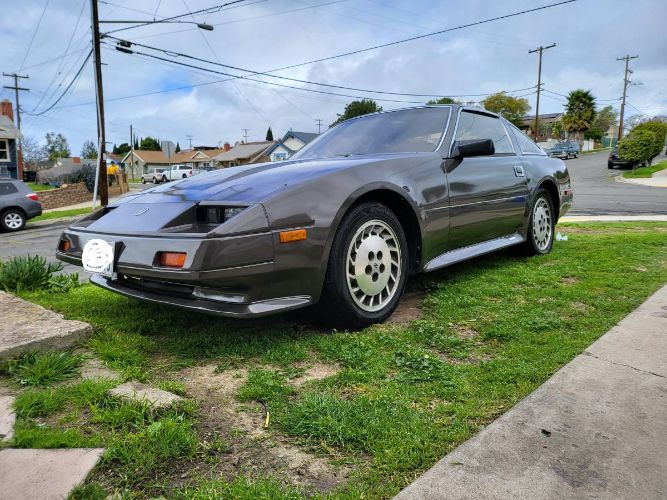
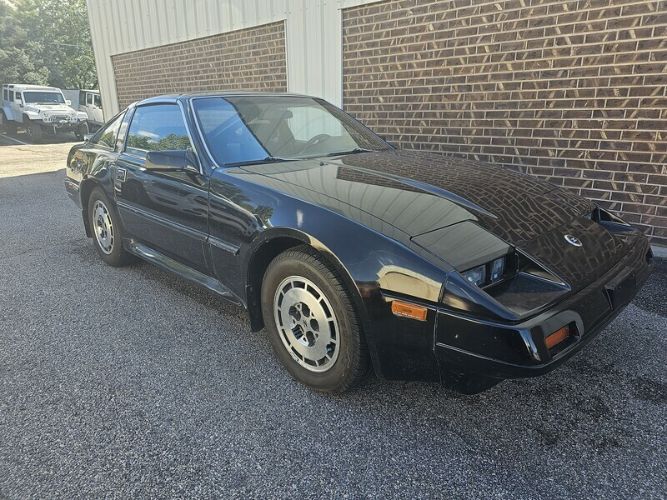
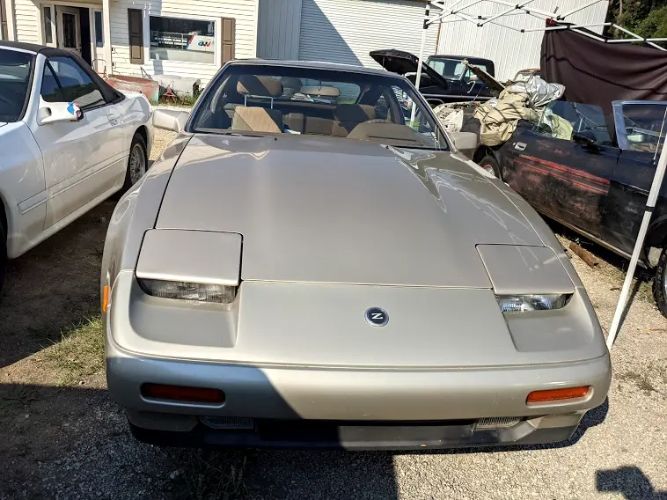
The Z31 was the third generation of the legendary Z-car lineage, following the original 240Z and the 280ZX. It was the first 300ZX, using a 3.0-liter V6 (VG30E) instead of the inline-six that had defined the Z lineage. The naturally aspirated version produced 160 horsepower; an optional turbocharged version pushed this to 200 hp.
The Z31 has never quite received the respect it deserves. Contemporary reviewers criticized it for being overly comfortable compared to the earlier inline-six Z-cars, and that criticism has followed it into the collector market. The reality is that the Z31 is a genuinely capable, well-engineered sports car that offers Z-car performance and heritage at accessible prices. Clean, rust-free Z31s are becoming harder to find as the unrestored survivor pool thins.
Z32 Generation (1990–1996): The Engineering Peak
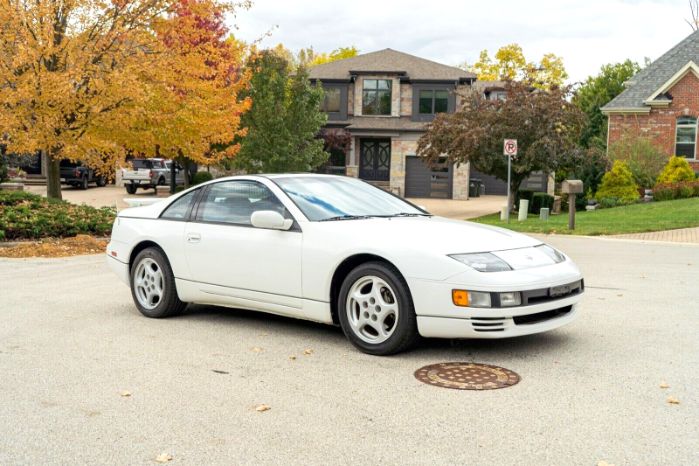
The 1990 Z32 was a revelation. The entire car was engineered from scratch — nothing carried over from the Z31. The VG30DETT twin-turbo engine produced 300 horsepower officially (330 hp in Japan-market specification), with a twin-turbocharged, dual-overhead-cam architecture that was world-class by any standard. The aluminum suspension components, the four-wheel steering (an industry-leading feature), and the rigid body structure combined to create a handling car that genuinely competed with European sports cars costing twice as much.
Car and Driver's 1990 test compared the Z32 TT favorably against a Porsche 928 S4 and declared it the winner on performance-per-dollar. Road & Track called it "the best sports car Japan has ever produced." These weren't hometown boosterism — the Z32 was genuinely world-class, and 30 years later it remains one of the most technically sophisticated sports cars of its era.
The Twin Turbo System: Genius and Its Maintenance
The VG30DETT's sequential twin-turbo system is sophisticated and rewarding when functioning correctly. At low rpm, one turbo feeds the engine; above 3,500 rpm, the second engages in a smooth power delivery that avoids the abrupt hit of a single large turbo. The result is exceptional drivability combined with genuine 300-horsepower performance.
The system's complexity is also its challenge. The secondary turbo engagement relies on a ceramic manifold and specific vacuum lines that age and crack. The turbos themselves are well-built — Garrett units — but the plumbing and waste gates require attention on high-mileage cars. A properly sorted twin-turbo Z32 is sublime; one with deteriorated boost management is frustrating and potentially destructive to the engine.
Naturally Aspirated vs. Twin Turbo
The Z32 was available in naturally aspirated form (222 hp) and twin-turbo (300 hp). The NA car is lighter, simpler to maintain, and more predictable to drive — it's genuinely enjoyable and doesn't carry the twin-turbo maintenance demands. The TT is faster, more dramatic, and what most buyers want — but it requires more careful ownership. For first-time Z32 buyers, the NA is often the better choice; for enthusiasts who understand the platform, the TT is the target.
Browse Nissan 300ZX listings
 Dealer
 United States
1986 Nissan 300ZX
 Dealer
United States
Dealer
United States
1986 Nissan 300ZX
What to Look For
On Z32 Twin Turbo cars, inspect the secondary turbo engagement system — vacuum hoses, the ceramic manifold, and the turbo plumbing are age-sensitive. Have a qualified mechanic perform a boost test to verify both turbos engage correctly. Inspect for oil leaks, especially from the valve cover gaskets and the rear main seal. On Z31 turbocharged cars, check turbo oil feed lines for cracks. Check for the T-top roof panel leaks that caused water damage in the sills and interior. Verify the four-wheel steering system on Z32 cars is functioning correctly — indicator light and road-feel verification.Pre-Purchase Checklist
-
Twin Turbo Engagement (Z32)
Test both turbos by driving to 4,000+ rpm — power delivery should be smooth and strong. A boost gauge is recommended. -
Vacuum Hose Condition (Z32)
Inspect all vacuum hoses in the engine bay — brittle or cracked hoses cause boost management failures. -
T-Top Water Leaks
Check sills and interior carpet for water staining — T-top seals deteriorate and cause structural rust. -
Valve Cover Gaskets
Inspect for oil leaks around both valve covers — nearly universal on high-mileage examples. -
Four-Wheel Steering (Z32)
Verify the 4WS indicator light functions and the rear steering feel is correct on a test drive. -
Crankshaft Position Sensor
Check service history for CPS replacement — failure causes no-start and is a known Z32 issue. -
Turbo Oil Lines (Z31)
On Z31 Turbo, inspect oil feed lines to the turbocharger for cracks and deterioration. -
Structural Integrity
Inspect sills for rust from T-top water damage — sill rust on the Z32 is structural and expensive.
Common Issues
Z32 secondary turbo engagement failure from deteriorated vacuum hoses and manifold — most common performance issue. T-top water leaks causing sill rust and interior damage on both generations. Z32 crankshaft position sensor failure causing no-start conditions. Valve cover gasket oil leaks (nearly universal on high-mileage Z32s). Z31 fuel injector deterioration on unrestored high-mileage examples. Four-wheel steering system failures on Z32 from age-deteriorated components.More 300ZX for sale
 Dealer
United States
Dealer
United States
1994 Nissan 300ZX
 Dealer
United States
Dealer
United States
1989 Nissan 300ZX
Pricing Guide
Z31 NA (1983–1989): $5,000–$12,000. Z31 Turbo: $8,000–$18,000. Z32 NA (1990–1996): $12,000–$22,000. Z32 Twin Turbo: $18,000–$40,000. Z32 Convertible: $22,000–$45,000. Low-mileage, well-documented Z32 TT: $40,000–$70,000+. Correctly sorted and maintained examples command significant premiums over neglected cars.Fun Facts
The Z32 was one of the first production cars to use aluminum for its front and rear suspension components — a weight-saving technology that is now standard in performance car design. Car and Driver compared the 1990 300ZX Twin Turbo to a Porsche 928 S4 and called the 300ZX the better performance value. The Japanese domestic market 300ZX produced 330 hp vs. the US market's 300 hp due to different emissions requirements — the same car, different mapping.Frequently Asked Questions
Ready to find your 300ZX?
Browse 6+ active Nissan 300ZX listings on Classic Cars Arena.
View Listings →