
Classic Oldsmobile Toronado Buyer's Guide
Expert buyer's guide to the Oldsmobile Toronado 1966–1978. FWD chain-drive inspection, unique drivetrain diagnosis, body rust, and pricing for the iconic first-generation fastback.

The 1966 Oldsmobile Toronado was the most technically ambitious American car of its decade. Front-wheel drive, a 385-horsepower 425 cubic-inch V8, and a stunning fastback body that looked like nothing else in Olds showrooms — it arrived fully formed as a genuine technological statement. The chain-drive front-wheel-drive system predated modern FWD technology by nearly two decades, and its complexity is exactly what buyers need to understand before writing a check. When the drivetrain is right, the Toronado is a magnificent driver. When it's been neglected, the repair bill can exceed the car's market value.
History & Generations
Oldsmobile introduced the Toronado for 1966 as the first American mass-production front-wheel-drive car since the Cord 810 of 1937. The drivetrain was a genuine engineering achievement: a Turbo-Hydramatic 425 automatic modified to drive the front wheels through a separate two-stage chain drive running alongside the engine. The 425 cubic-inch Rocket V8 produced 385 horsepower and turned the front wheels — something American engineers hadn't done in thirty years.
First Generation (1966–1970)
The cars collectors want. The 1966–1967 cars are the purest: no federalized safety bumpers, uninterrupted fastback roofline, and the full original styling vision. The 1968–1970 cars are still first-gen mechanically but added safety equipment. All first-gen Toronados use the chain-drive FWD system with the 425 Rocket V8. The W-34 Force-Air package with functional hood scoops arrived for 1970.
Second Generation (1971–1978)
The 1971 redesign grew the Toronado substantially and moved it further toward luxury cruiser. The 455 replaced the 425. These are comfortable, roomy cars at lower prices — affordable entry into Toronado ownership with identical FWD complexity to first-gen cars.
Years to Look For
- 1966–1967: The purest first-gen. No safety bumpers, uninterrupted roofline, 425 Rocket V8 at 385 hp.
- 1968: Still beautiful first-gen styling with minor updates. Good balance of purity and availability.
- 1970: Last year of first-gen styling. W-34 Force-Air package available with functional hood scoops.
What to Look For In Person
Start the engine and let it warm up. At idle, listen at the front driver's side for chain noise — the Hy-Vo silent chain runs between the engine and inner fender. A quiet car is a healthy car. Drive through a parking lot and turn to full lock each direction. Clicking or grinding from the front axle means worn CV joints.
| Engine | Year(s) | Displacement | Horsepower |
|---|---|---|---|
| Rocket 425 | 1966–1970 | 425 cu in | 385 hp |
| Rocket 455 | 1971–1976 | 455 cu in | 320–375 hp |
| Rocket 403 | 1977–1978 | 403 cu in | 185 hp |
"The Toronado proves Detroit engineers could think outside the V8-rear-axle box when management gave them room. It also proves why unique engineering needs specialist attention. I've seen too many Toronados sitting on someone's back forty because the owner took it to a regular shop and got scared off by the estimate. Find the right shop first — then enjoy one of the most interesting cars Detroit ever built."
— Mike Sullivan
Market Outlook
First-gen 1966–1967 driver: $18,000–$30,000. Show-quality restored first-gen: $40,000–$60,000. Second-gen 1971–1978 driver: $8,000–$18,000. The Toronado market has been quietly appreciating as buyers recognize the historical significance. Avoid any car with deferred drivetrain maintenance — chain drive service on a neglected car is the single largest cost exposure in Toronado ownership.
Browse Oldsmobile Toronado listings
 Dealer
 United States
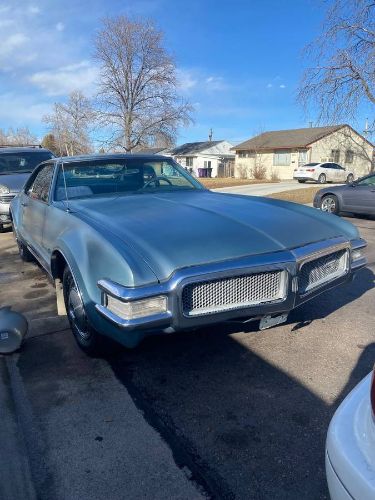
1968 Oldsmobile Toronado
 Dealer
United States
Dealer
United States
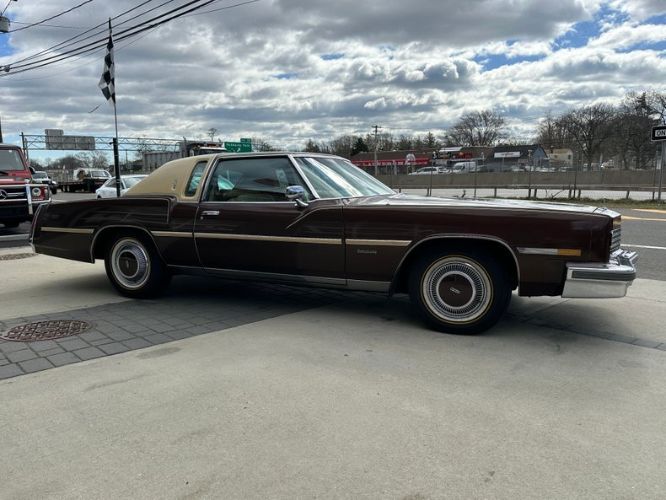
1977 Oldsmobile Toronado
What to Look For
Start the engine and listen for chain noise from the front driver's side at idle — rattling or slapping indicates chain stretch or tensioner wear. Drive at low speed and turn to full lock both ways; clicking from the front axle means worn CV joints. Check ATF for metal particles and discoloration. Inspect the front inner wheel wells for structural rust around the FWD suspension geometry. Check the body for standard GM rust points: cowl seam, rocker panels, lower quarters, floor pans. Inspect the hidden headlight doors for proper operation — replacement doors are expensive and scarce.Pre-Purchase Checklist
-
Chain Drive Noise Test
Start engine and listen at idle from the front driver's side for chain rattling or slapping. Noise warrants specialist inspection before any purchase. -
CV Joint Check
Drive at low speed and turn steering to full lock both ways. Clicking or grinding from the front axle indicates worn CV joints. -
ATF Condition
Pull the ATF dipstick and examine fluid color and smell. Dark or burned fluid with metal particles indicates drivetrain wear. -
Front Inner Wheel Well Rust
Inspect front inner wheel well structure for rust in the FWD suspension mounting areas. Structural rust here is more complex to repair than on conventional cars. -
Headlight Door Operation
Operate hidden headlight doors through full cycle. Hesitation or incomplete travel means actuator wear; replacements are scarce. -
Cowl Seam
Inspect the cowl seam at the windshield base from under the hood. Standard GM rust point. -
Rocker Panels
Run a magnet along the full length of both rockers. Filler is non-magnetic. Check for perforation at the rocker-to-quarter junction. -
Floor Pan Condition
Probe floor pans from underneath. Full-size platform is more resistant to floor rot but long-term neglect catches up. -
Engine Idle Quality
A healthy 425 or 455 Rocket idles smoothly and quietly. Rough idle, oil smoke, or blowby warrants compression testing. -
Power Accessories
Test all power windows, seats, and locks. Aging GM electrical gremlins are common — non-functional accessories are a negotiating point.
Common Issues
Chain drive stretch and tensioner wear is the primary mechanical concern — chain service costs $1,500–$3,000 at a Toronado specialist and is essential for any car with deferred maintenance. Front CV joint wear produces clicking at full steering lock. The Turbo-Hydramatic 425 is robust but requires specialist knowledge. Body rust follows standard GM full-size patterns: cowl seam, rockers, lower quarters. Hidden headlight door actuators fail with age and replacements are hard to source.More Toronado for sale
 Dealer
United States
Dealer
United States
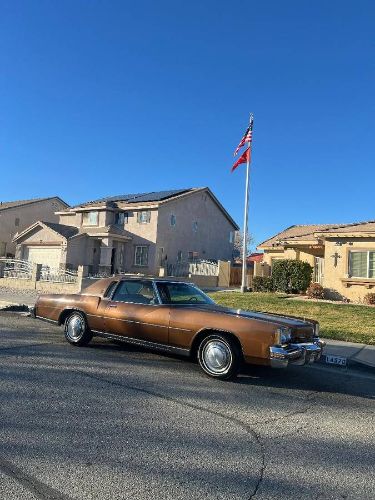
1974 Oldsmobile Toronado
 Dealer
United States
Dealer
United States
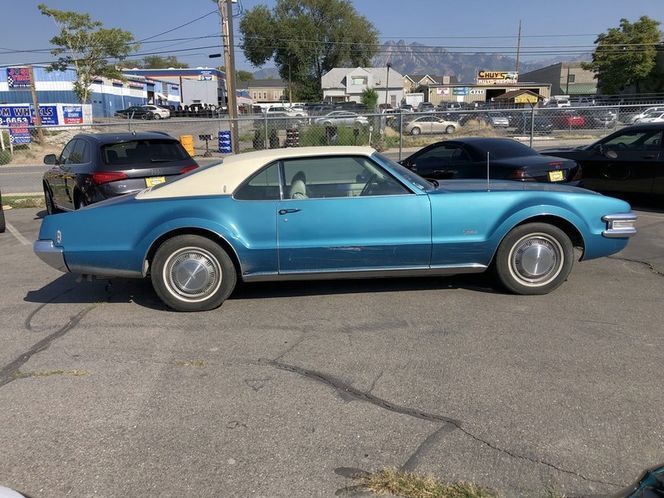
1969 Oldsmobile Toronado
Pricing Guide
First-gen 1966–1967 driver: $18,000–$30,000. First-gen 1968–1970: $14,000–$24,000. Show-quality restored first-gen: $40,000–$60,000. Second-gen 1971–1974: $10,000–$18,000. Second-gen 1975–1978: $7,000–$14,000. Deduct heavily for any car with known chain drive issues — a full chain drive service and CV joint work can run $3,000–$5,000 combined, and a fully neglected drivetrain costs significantly more to restore.Fun Facts
The Toronado was Motor Trend Car of the Year for 1966 — the first FWD American car to win that award. Oldsmobile chief engineer John Beltz personally championed the project against significant internal GM resistance. The chain drive uses a Morse Hy-Vo silent chain — the same basic technology used in oil pump drives — scaled up to transmit V8 torque to the front wheels.Frequently Asked Questions
Ready to find your Toronado?
Browse 6+ active Oldsmobile Toronado listings on Classic Cars Arena.
View Listings →