
Porsche 928 Buyer's Guide
The Porsche 928 was the car Porsche's board intended to replace the 911 — a front-engine, water-cooled V8 grand tourer of extraordinary engineering sophistication that 911 purists resisted for 18 years before the market ultimately vindicated them. Today the 928 is finally getting the respect it always deserved.

Emily Chen here. The 928 is the Porsche I've spent the most time thinking about, because it forces you to confront a question: what is a Porsche for? The 911 answers that question one way — rear engine, air-cooled, inherently treacherous at the limit, demanding of its driver in ways that either frustrate or define you. The 928 answers it completely differently: front-mounted V8, water cooling, a transaxle that almost perfectly balances the weight, a sophisticated suspension, and enough power in the GTS form to embarrass contemporary supercars.
Porsche's board voted in 1972 to phase out the 911 and replace it with the 928. The engineers who built the 928 took that mandate seriously. What they produced was a genuine engineering landmark — arguably more sophisticated in every measurable dimension than the 911 of the same era. The fact that the 928 is no longer with us and the 911 is on its eighth generation tells you more about emotion than engineering.
The Car That Was Supposed to Replace the 911
The 928's engineering brief was unambiguous: a front-engine, water-cooled V8 GT car that would sell to buyers who found the 911's compromises unacceptable. Porsche's board believed, correctly, that emissions and safety regulations would eventually make the 911's rear-engine, air-cooled architecture impractical. The 928 was the solution — a car that could survive whatever regulatory environment the 1980s and 1990s brought.
What Porsche's engineers produced was genuinely exceptional. The aluminum front subframe, the rear transaxle with the semi-trailing arm rear suspension, the galvanized steel body (every 928 body was galvanized for rust resistance — a significant engineering decision in 1977), the 4.5-liter V8 with its single overhead camshafts per bank — all of it represented a step forward from anything Porsche had done before, and from most of what their competitors were doing.
The Weissach Axle
The 928's rear suspension geometry — the "Weissach axle" — was a Porsche engineering innovation that provided passive rear-wheel steering. Under braking, the geometry caused the rear wheels to toe in slightly, creating a stabilizing effect. Under power, they toed out slightly, helping rotation. This was passive, built into the geometry, requiring no electronic intervention. It was patented, it was sophisticated, and it was a decade ahead of the active rear-steering systems that other manufacturers later developed.
Generation Overview
| Model | Engine | Output | Years |
|---|---|---|---|
| 928 | 4.5L V8 SOHC | 219 hp | 1978–1979 |
| 928 S | 4.7L V8 SOHC | 229–288 hp | 1980–1986 |
| 928 S4 | 5.0L V8 DOHC | 316 hp | 1987–1991 |
| 928 GT | 5.0L V8 DOHC | 326 hp | 1989–1991 |
| 928 GTS | 5.4L V8 DOHC | 345 hp | 1992–1995 |
The S4 (1987–1991) is the sweet spot for most buyers: the 5.0L DOHC engine is the first 928 with the dual-overhead-cam heads that transform the engine's character, the 316 horsepower is adequate for serious performance, and parts availability for this generation is better than the earlier S models. The GTS (1992–1995) is the definitive 928 — 345 hp, 5.4L displacement, wider rear bodywork — but the prices for clean examples have risen substantially.
The Maintenance Reality
The 928 is not a cheap car to own. This needs to be stated plainly before any purchase discussion. The timing belt service (required every 30,000 miles, replacing both belts, the tensioners, and the water pump) runs $2,000–$4,000 at a qualified shop. The cooling system is complex. The electrical system — Bosch components of 1978–1995 vintage — develops age-related issues that require a specialist familiar with the car.
What the 928 is not is unreliable when properly maintained. The V8 engine, when serviced correctly, is a robust unit. The transaxle is durable. The galvanized body genuinely doesn't rust the way contemporary German cars did. A 928 with documented service history, including regular timing belt services, is a legitimate ownership proposition. One without that history is a project.
"I've approached the 928 the way I approach every sophisticated German car of this era: document every system, understand every interval, and address issues before they become problems. The 928 rewards that discipline with a driving experience that genuinely has no American or British equivalent — a grand tourer of real capability that asks only that you take it seriously as an engineering object."
— Emily Chen
Market Outlook
The 928 market has been one of the better-performing classic car investments of the past decade. Cars that traded at $8,000–$15,000 in 2012 are now commanding $25,000–$55,000 for well-maintained S4 and GTS examples. The trajectory reflects the car's genuine quality finally being recognized after decades of being overshadowed by the 911. The GTS in particular has appreciated fastest; entry-level S and early S models offer the best value for the buyer who wants the 928 experience at lower cost.
Browse Porsche 928 listings
 Dealer
 United States
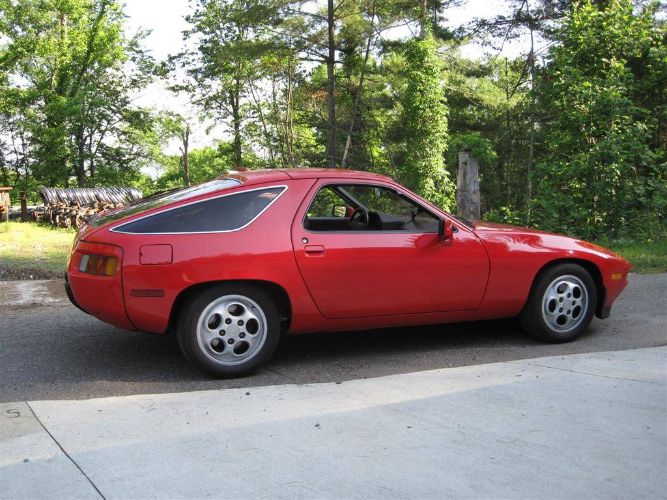
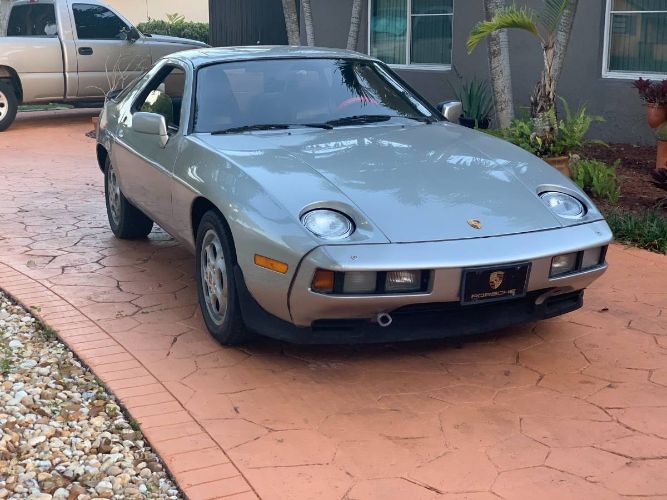
1979 Porsche 928
 Dealer
United States
Dealer
United States
1982 Porsche 928
What to Look For
Timing belt service history is the non-negotiable first requirement. Verify the date and mileage of the last timing belt service — on any 928 with more than 30,000 miles since the last service, budget for immediate replacement before driving. On S4 and GTS models, inspect the cooling system for any non-factory modifications — the cooling system is complex and non-standard "improvements" typically cause problems. Check the LH-Jetronic or LH2 fuel injection system for proper operation: cold start, warm idle, and full-throttle response should all be clean. The rear transaxle has specific fluid requirements; verify it hasn't been overfilled or incorrectly serviced. On all 928s, test the air conditioning compressor engagement and all power accessories — Bosch electrical components of this era develop age-related failures that are diagnostic rather than catastrophic.Pre-Purchase Checklist
-
Timing Belt Service Date
Verify the last timing belt service date and mileage — budget immediate replacement if over 30,000 miles. -
Cooling System Configuration
Verify factory-original cooling system — non-factory modifications are the most common cause of overheating. -
Fuel Injection Operation
Cold start, warm idle, and full throttle should all be clean — injector o-ring deterioration is common. -
Transaxle Service History
Verify correct fluid type and proper level in the rear transaxle — incorrect service causes wear. -
Power Window Regulators
Test all windows — plastic regulator components crack with age, a common failure on all 928s. -
Air Conditioning
Test AC compressor engagement — compressor failures are common on 30+ year old systems. -
HVAC Vacuum System
Test all climate control functions — vacuum system leaks cause HVAC operation failures. -
Electrical Accessories
Test all Bosch electrical components — age-related failures are diagnostic indicators of overall care. -
VIN Registry Check
Cross-reference VIN against the 928 Owners Club registry for service and ownership history.
Common Issues
Timing belt failure from overdue service — catastrophic engine damage results. Cooling system failures from age or non-factory modifications. LH-Jetronic fuel injection issues from deteriorated fuel injector o-rings causing rough idle. Rear transaxle fluid level maintenance neglect. Power window regulator failures (plastic components age and crack). Air conditioning compressor failures from age. Early cars (1978–1982): distributor cap and rotor corrosion causing misfires. Climate control vacuum system leaks causing HVAC failures on S and earlier cars.More 928 for sale
 Dealer
United States
Dealer
United States
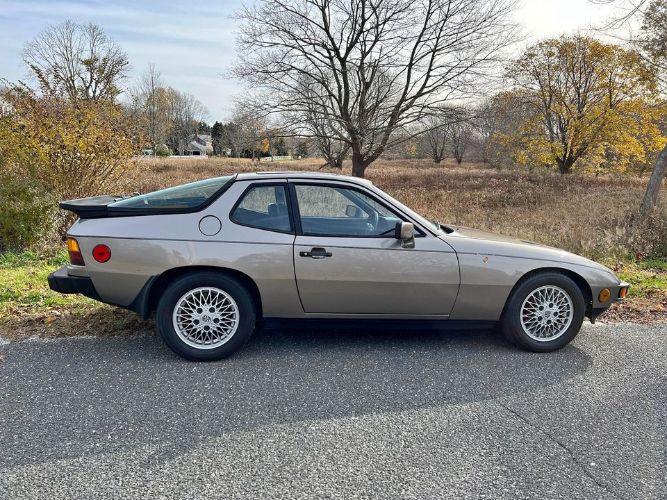
1983 Porsche 928
 Dealer
United States
Dealer
United States
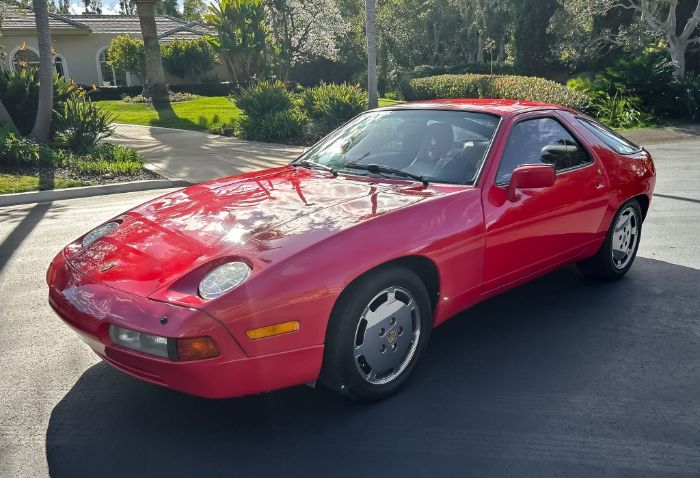
1987 Porsche 928
Pricing Guide
928 base (1978–1979): $14,000–$28,000. 928 S (1980–1986): $16,000–$32,000. 928 S4 (1987–1991): $22,000–$45,000. 928 GT (1989–1991): $28,000–$55,000. 928 GTS (1992–1995): $40,000–$85,000+. Documented service history adds 20–35% to any configuration. Cars with missing timing belt service history should be priced to include immediate belt service.Fun Facts
The Porsche 928 won the European Car of the Year award for 1978, the only sports car ever to do so — the first time a non-American car had won the award. Porsche's board had planned for the 928 to replace the 911 entirely by the mid-1980s; customer resistance to the idea was so strong that the 911 survived and the 928 was discontinued in 1995 instead. The 928's galvanized body construction — applied to every car before painting — was nearly unique in the automotive industry in 1977 and explains why original-paint 928 bodies remain rust-free when comparable German cars of the era have corroded.Frequently Asked Questions
Ready to find your 928?
Browse 6+ active Porsche 928 listings on Classic Cars Arena.
View Listings →