How much is a 1932 Ford Deuce Coupe worth in 2026?

Chopped, channeled, and driven — that's how the Deuce was meant to be. I grew up at Goodguys events watching the great builders work, and the 1932 Ford is still the car that gets the most eyes. You can park a million-dollar car next to a well-done period Deuce, and the Deuce gets more attention. There's something in the proportions that Ford got right in 1932 and nobody has ever fully explained.
Why 1932?
The 1932 Ford introduced the flathead V8 — the first low-cost V8 available to American buyers, producing 65 hp from 221 cubic inches and packaged in an engine bay sized for it from the ground up. The combination of the new V8, the styled steel body (designed by Edsel Ford and Joe Galamb), and the low price point made the Deuce the natural starting point for the first generation of hot rodders in Southern California. The three-window coupe body — with its compact, aggressive roofline — became the canonical hot rod shape by the 1940s and has never lost that status. The five-window coupe (more common, more glass area) is the practical choice; the three-window is the collector's choice.
| Configuration | Description | 2026 Value |
|---|---|---|
| Original 3-window coupe (unmodified) | Survivor, preservation quality | $80,000–$180,000 |
| Original 5-window coupe (unmodified) | Survivor, more glass, more common | $55,000–$120,000 |
| Period-built hot rod (1945–1965 construction) | Flathead or early OHV, steel body, patina | $85,000–$220,000 |
| Modern high-end custom build | By recognized builder, show-level | $150,000–$400,000+ |
| Driver-quality rod, newer build | SBC/SBF power, unknown builder | $35,000–$75,000 |
Period-Built vs Modern Build
The highest-value Deuces in any market are the "period-built" rods — cars assembled and driven between 1945 and 1970, using the materials and techniques of the era. These cars carry genuine historical significance: a correctly documented period Deuce with a flathead V8, a dropped front axle, a DuVall windshield, and full-fendered or fenderless configuration is a primary-source historical artifact of American hot rod culture. The builder's name matters at this level — cars traceable to the shops of Tommy Ivo, Ed Iskenderian, or the California speed equipment era are in a different market segment than anonymous builds. GNRS (Grand National Roadster Show) and Goodguys provenance documentation adds significant value to any competition-history car.
"The Deuce is the DNA of American hot rodding. Every car that came after — every chopped Chevy, every channeled Mercury, every slammed custom — has the 1932 Ford somewhere in its family tree. Period-correct flathead V8 power, a set of chromed headers, and a roofline that Edsel Ford designed without knowing he was designing the future of American car culture."
— Jim Vasquez
Browse current listings
 Dealer
 United States
1955 Ford Customline
 Dealer
United States
Dealer
United States
1956 Ford Customline
 Dealer
United States
Dealer
United States
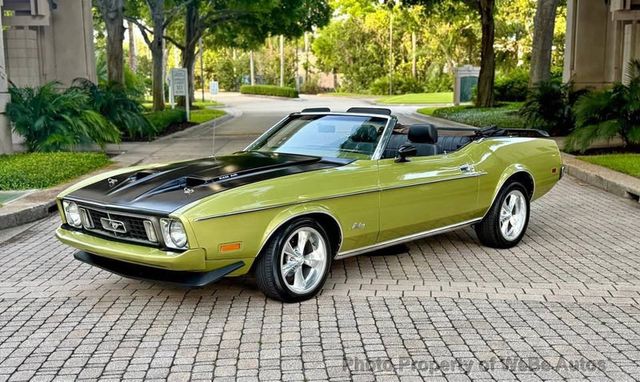
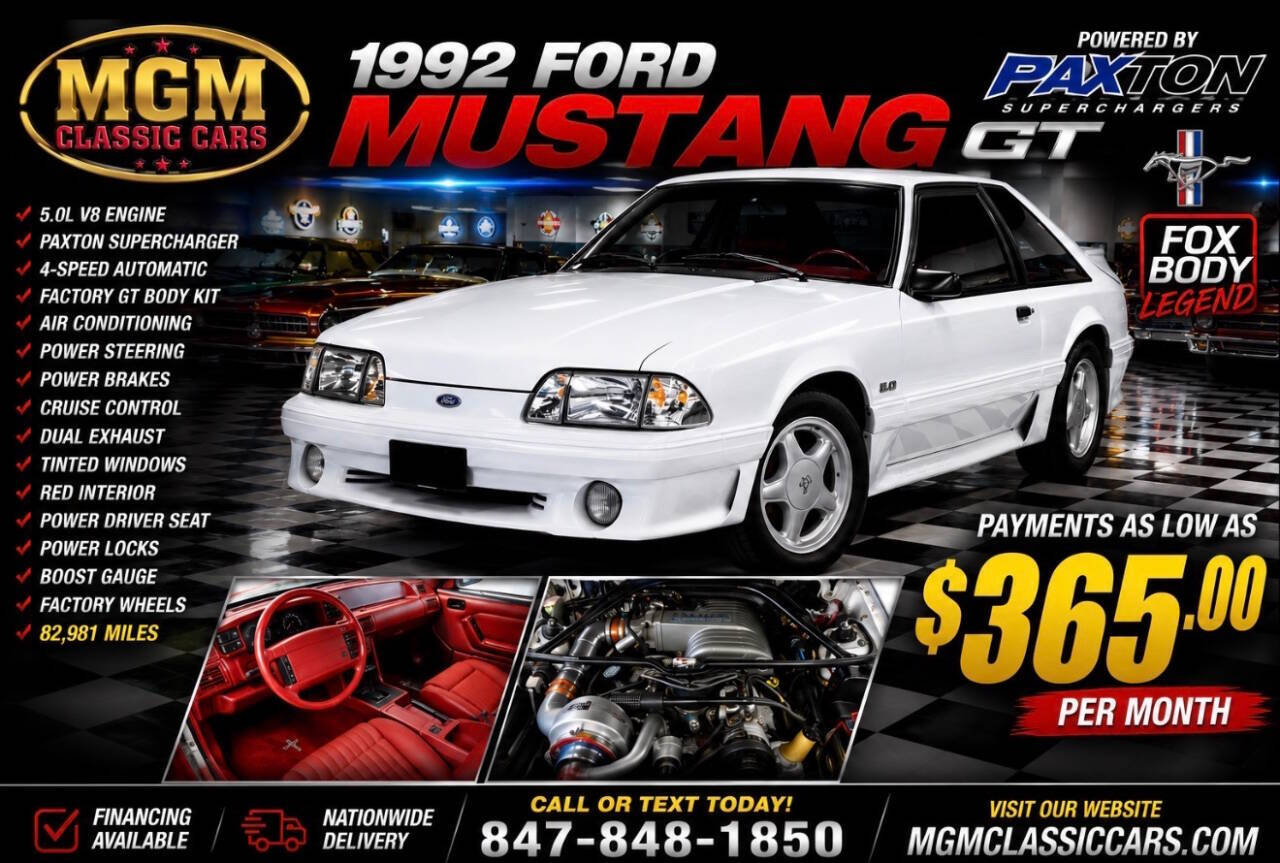
1973 Ford Mustang
 Dealer
United States
Dealer
United States