How much is a 1939–1940 Ford coupe kustom worth in 2026?

Chopped, channeled, and sectioned — that's the language. The 1939–1940 Ford coupe is where the vocabulary was invented. I've built or evaluated more of these than I can count, and the quality spectrum runs from a driver with a few mild cuts all the way to a show-circuit kustom that took two years to build and cost more than the house the builder lives in. Know which one you're buying before you make the call.
Hot Rod vs Kustom — The Distinction
These terms get mixed up constantly, and getting them right matters for value. A hot rod is performance-first — early Ford engines bored out, high-compression heads, Edelbrock intakes, built to run fast. A kustom (the intentional K spelling comes from 1950s custom car culture) is style-first — lowered, smoothed, chopped top, molded panels, custom upholstery. The same 1940 Ford coupe platform serves both purposes, but the modifications are different, the builder community is different, and the judging criteria at shows are completely different. A car trying to be both usually wins neither category.
| Condition / Style | Typical Mods | 2026 Value Range |
|---|---|---|
| Stock driver | Original or period V8, stock body | $22,000–$45,000 |
| Mild custom | Lowered, frenched lights, mild chop | $40,000–$80,000 |
| Period-correct kustom | Full chop/channel, custom interior, show-quality paint | $75,000–$150,000 |
| Show-circuit kustom (documented) | GNRS/Goodguys winner, full build history | $120,000–$200,000+ |
What a Show-Quality Kustom Requires
A kustom built for the GNRS (Grand National Roadster Show) or Goodguys top-level competition needs a cohesive concept executed at the highest possible level: a chop that preserves the body's proportions, a paint job with no orange peel or visible seams, an interior with period-correct materials (mohair or rolled-and-pleated Naugahyde, not modern fabric), and power that matches the era — a flathead V8 with a period Edelbrock or Offenhauser intake is the correct answer, not a late-model fuel-injected crate engine. Documentation of the build process, including donor car history and photos from each stage of construction, is increasingly required by sophisticated buyers.
"The 1939–40 Ford coupe is where kustom kulture started. George Barris understood that this body, this roofline, and this proportion were the right ingredients — you lower it, you chop the top three inches, you mold the seams, and the car becomes something that didn't exist before. That transformation is what we're all still chasing on the show circuit."
— Jim Vasquez
Browse current listings
 Dealer
 United States
1955 Ford Customline
 Dealer
United States
Dealer
United States
1956 Ford Customline
 Dealer
United States
Dealer
United States
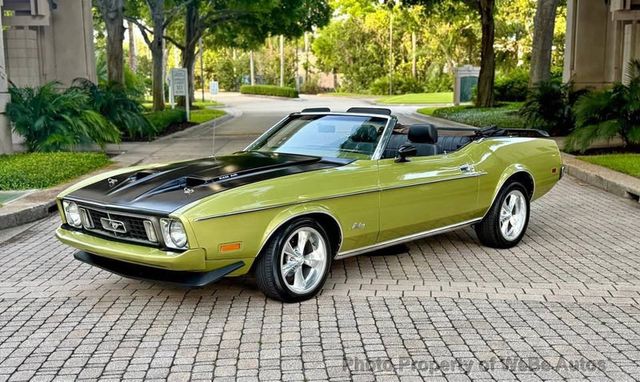
1973 Ford Mustang
 Dealer
United States
Dealer
United States