
How much is a 1949–1951 Mercury custom worth in 2026?

I was at Goodguys in Pleasanton when a George Barris-attributed 1950 Mercury came through the gates, and the crowd that formed around it wasn't there for the horsepower numbers. These cars carry a cultural weight that goes beyond the mechanicals — the chopped top, the frenched headlights, the shaved handles, the lowered stance. It's a visual language that's been spoken for seventy years and still lands the same way it did in 1952.
The Sam and George Barris Influence
The history of the Mercury kustom begins with Sam and George Barris in East Los Angeles in the late 1940s. The Barris brothers' chopped-top Mercury for Bob Hirohata (1952) is the single most influential custom car in American history — its proportions, its color (Hirohata's Coral over Ivory), and its construction techniques defined the Southern California kustom style that influenced car design globally. The "Hirohata Merc" set the template: a three-to-four inch top chop, frenched antenna and headlights, leaded door seams, and a smoothed body that eliminated every extraneous element. SEMA Battle of the Builders winners still reference this blueprint.
| Configuration | Description | 2026 Value |
|---|---|---|
| Original, stock Mercury (1949–1951) | Unmodified driver, original drivetrain | $25,000–$55,000 |
| Mild custom, period style | Shaved handles, lowered, period paint | $40,000–$80,000 |
| Full period kustom (chopped, leaded) | Correct style, documented builder | $85,000–$160,000 |
| Show-quality kustom, named builder | Published/award history | $120,000–$250,000+ |
| Documented Barris or period-legend build | With authentication paperwork | Auction-dependent, $300,000+ |
Chopping the Top: Technique and Value
A correctly executed top chop on a 1949–1951 Mercury requires removing a section from each of the A, B, and C pillars while maintaining the original window reveal angles — the technical challenge is keeping the doors and windows operable after the modification. Period builders used a combination of cutting, welding, and leading (using automotive body lead as a filler before plastic filler was available) to achieve the smooth, seamless look. A correctly chopped top adds $15,000–$40,000 to a Mercury's value over a comparable unchopped car. A poorly executed chop — misaligned pillars, door gaps that don't seal, visible welds — is worse than no chop at all.
"The chopped Mercury is where American kustom kulture began — before SEMA, before the Battle of the Builders, before the magazine features. George and Sam Barris were working in an East LA garage with hand tools and an understanding of proportion that design schools still can't fully explain. The cars they built are why we all do what we do."
— Jim Vasquez
Browse current listings
 Dealer
 United States
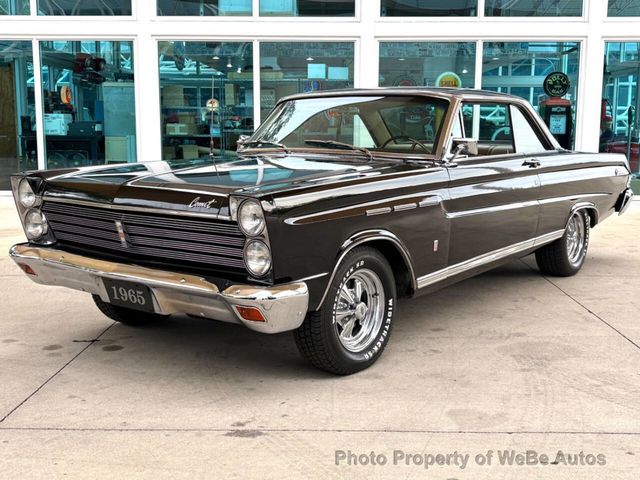
1965 Mercury Comet
 Dealer
United States
Dealer
United States
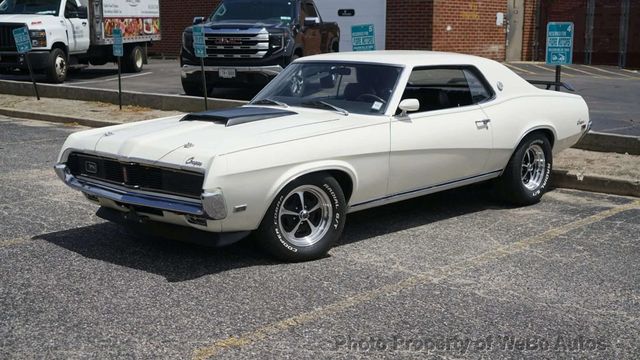
1969 Mercury Cougar
 Dealer
United States
Dealer
United States
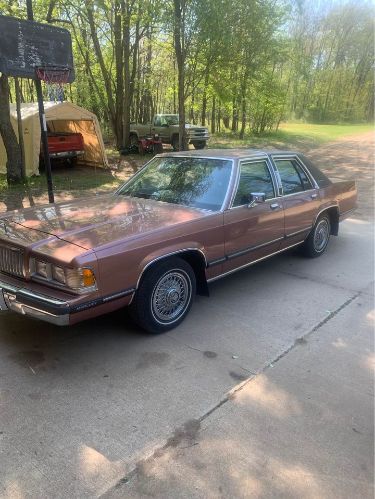
1990 Mercury Grand Marquis
 Dealer
United States
Dealer
United States
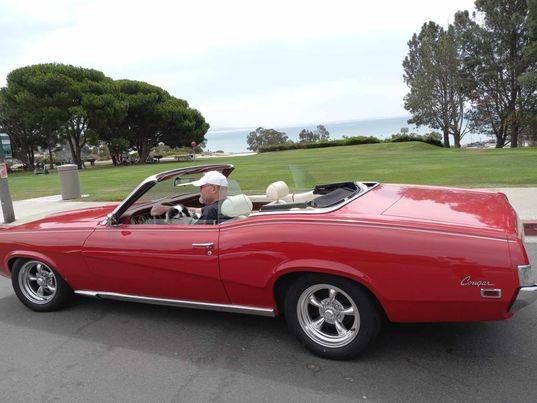
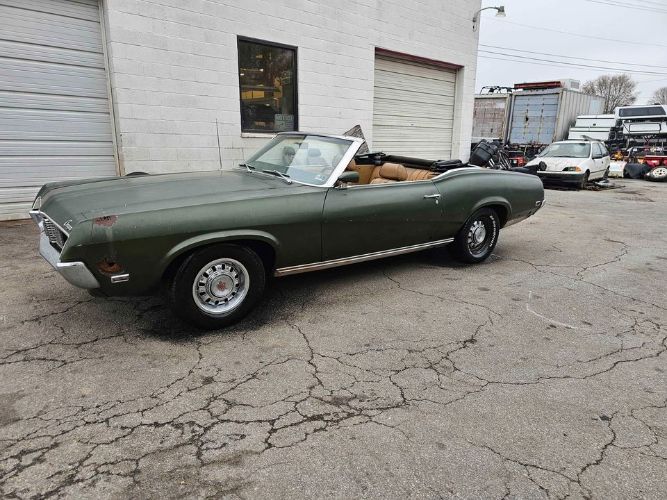
1969 Mercury Cougar
 Dealer
United States
Dealer
United States
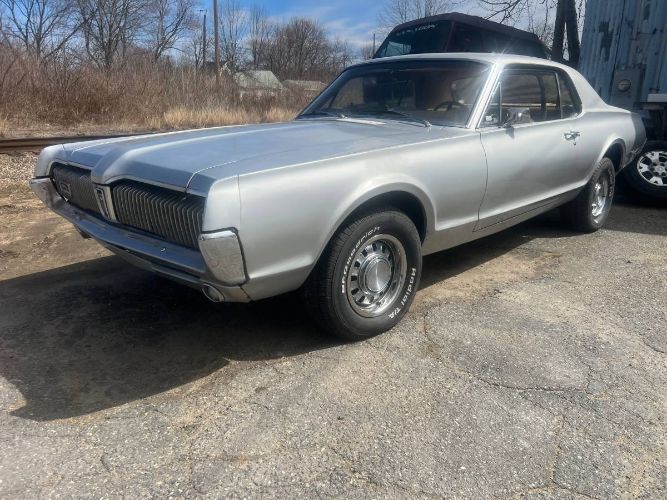
1969 Mercury Cougar
 Dealer
United States
Dealer
United States