
How much is an Austin-Healey 3000 worth?

The Big Healey remains one of the most emotionally compelling British sports cars of the postwar era — long hood, muscular stance, exhaust note that carries a block. The market in 2026 is healthy at the top and accessible at the entry level.
2026 Pricing by Variant
- 100-4 (BN1/BN2, 1953–1956): $25,000–$50,000
- 100-6 (BN4/BN6, 1956–1959): $30,000–$58,000
- 3000 MkI (BN7/BT7, 1959–1961): $38,000–$65,000
- 3000 MkII (BJ7 2+2 convertible, 1961–1962): $45,000–$78,000
- 3000 MkIII BJ8 Phase 1 (1963–1964): $55,000–$92,000
- 3000 MkIII BJ8 Phase 2 (1964–1967): $70,000–$125,000
The BJ8 Premium — and Why It Is Justified
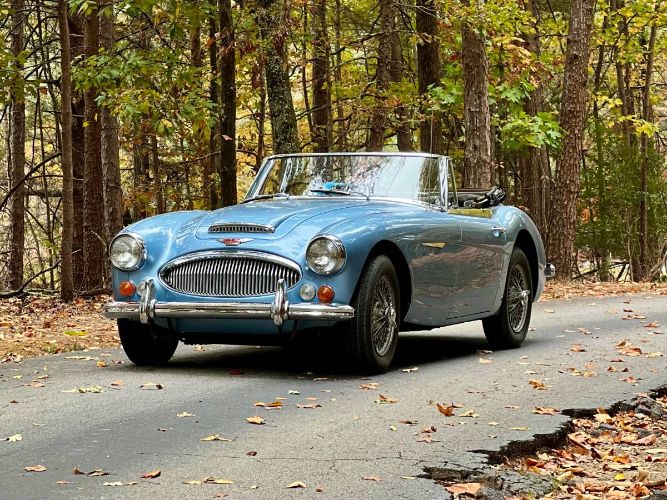
The Phase 2 BJ8 introduced a wood-veneer dashboard, wind-up windows replacing side curtains, and a revised cylinder head producing 148 hp. It is both the most usable and the most desirable configuration. Originality matters enormously: a BJ8 with its original Healey hardtop (relatively rare as a surviving unit), matching body numbers, and correct Cirrus Grey or Healey Blue paint is worth 20–30% more than a repainted example missing the hardtop.
Rust Is the Enemy
Approached with an engineer's eye, a Big Healey is a straightforward but rust-prone car. The sill structures, inner wings, and rear chassis extensions all collect moisture. A car with solid sills and clean inner wings is worth paying a premium for — those repairs run $8,000–$20,000 at a specialist shop. I've documented every structural repair on my personal BJ8 restoration and the sill work alone took 160 hours.
Market Direction
Big Healey values have tracked steadily upward over the past decade, underpinned by a loyal international collector base, active club support (Austin-Healey Club, Healey Drivers Club), and dwindling supply of rust-free California and Arizona cars. BJ8 prices are unlikely to soften; the 100-4 entry market offers the best value-per-experience ratio for new buyers.
Browse current listings
 Dealer
 United States
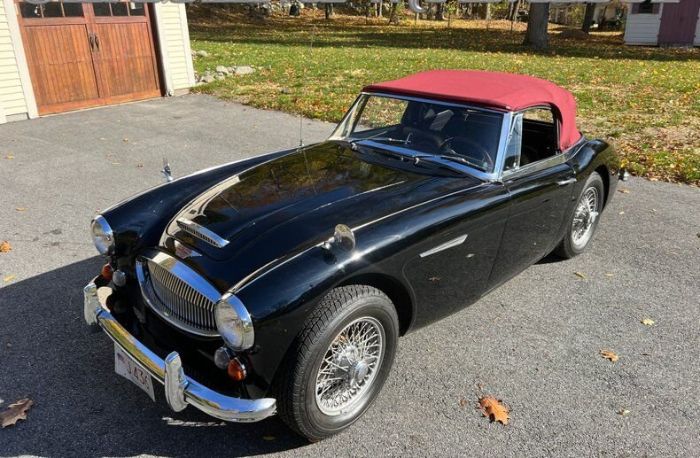
1966 Austin-Healey 3000
 Dealer
United States
Dealer
United States
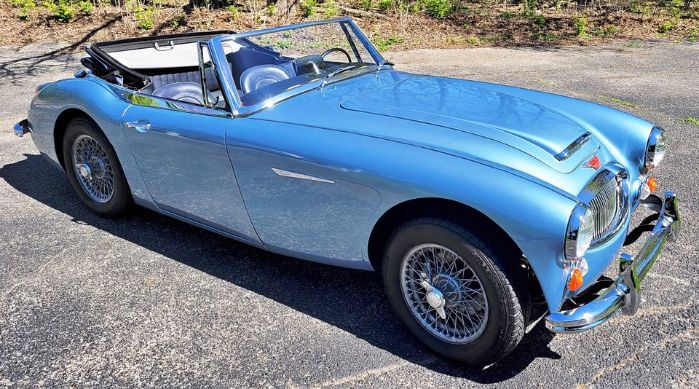
1967 Austin-Healey 3000
 Dealer
United States
Dealer
United States
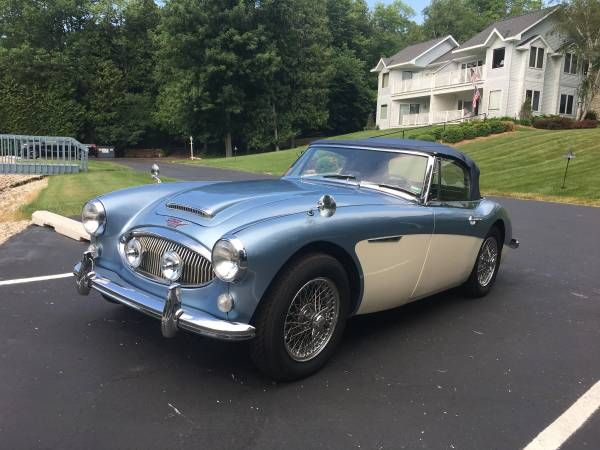
1956 Austin-Healey 3000
 Dealer
United States
Dealer
United States
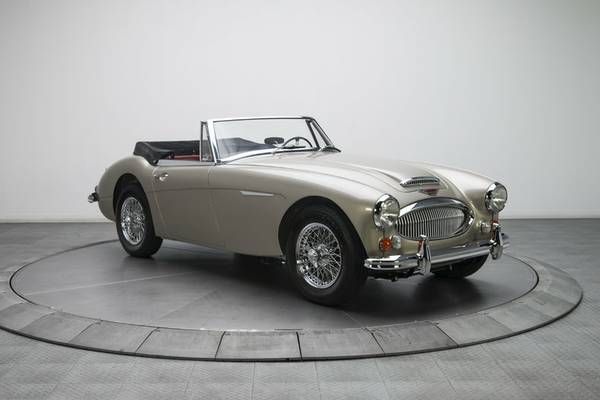
1966 Austin-Healey 3000
 Dealer
United States
Dealer
United States