
What's the difference between the Dodge 440 and 426 Hemi?

The 440 and 426 Hemi are both Chrysler B/RB-series big blocks sharing external dimensions but with entirely different combustion chamber geometry. Understanding the difference is essential for any buyer of 1966–1974 Dodge or Plymouth performance cars.
The 440 — The Practical Performer
The 440 cubic inch (7.2L) uses a conventional wedge combustion chamber design. Available in three primary performance configurations:
- 440 Magnum (375 hp): Single four-barrel Carter AFB or Holley. The standard high-performance 440 in Charger R/T, Road Runner, Super Bee.
- 440 Six Pack (390 hp): Three Holley two-barrel carburetors on an Edelbrock-designed intake manifold. Factory-installed on select 1969–1971 models. More torque than the single four-barrel, more tractable than the Hemi.
- 440+6 (street Six Pack): The definitive street Mopar engine — abundant torque, reliable, parts available everywhere. Most consider it the best driving big block Mopar engine.
The 426 Hemi — The Racing Engine
The Hemi uses semi-hemispherical combustion chambers — the dome shape that gives the engine its name. The geometry allows larger, more efficiently positioned valves and a more complete combustion event than a wedge head. Factory ratings were 425 hp at 5,000 rpm and 490 lb-ft torque, but period dyno tests consistently showed actual output closer to 500–520 hp.
The Hemi came with dual four-barrel carburetors on a cross-ram intake manifold. It requires premium fuel, more frequent valve adjustments, and specific Hemi-only components throughout the top end. A Hemi engine rebuild at a Mopar specialist runs $8,000–$15,000 — roughly double the cost of a 440 rebuild.
The Value Difference
In a 1969 Dodge Charger R/T: a documented 440 car trades at $55,000–$90,000. A documented Hemi car trades at $120,000–$200,000. The Hemi premium is real, substantial, and has been widening since 2015. Authentication (fender tag E87 code + block stamp) is the only way to confirm factory Hemi installation.
Browse current listings
 Dealer
 United States
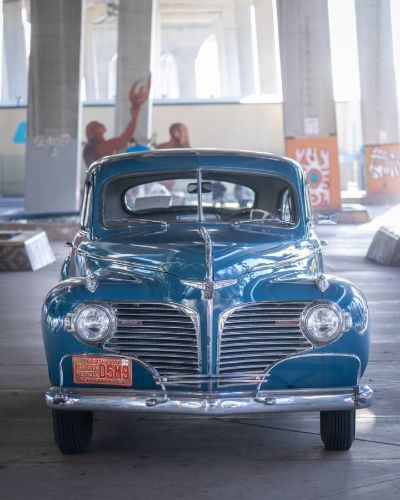
1941 Dodge 1 Ton
 Dealer
United States
Dealer
United States
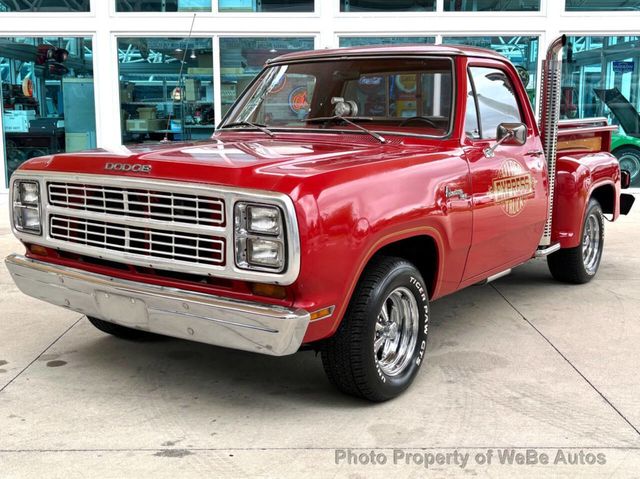
1979 Dodge D150
 Dealer
United States
Dealer
United States
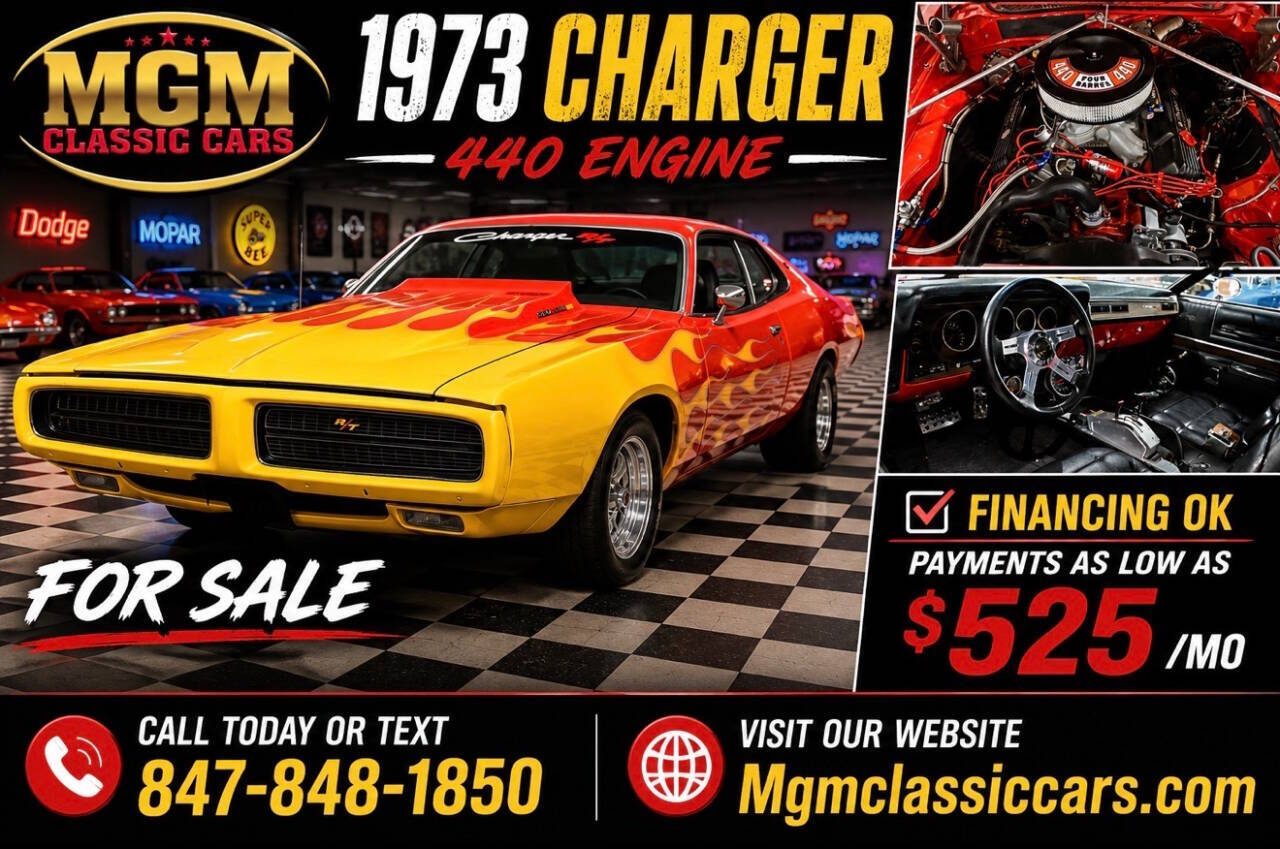
1973 Dodge Charger
 Dealer
United States
Dealer
United States
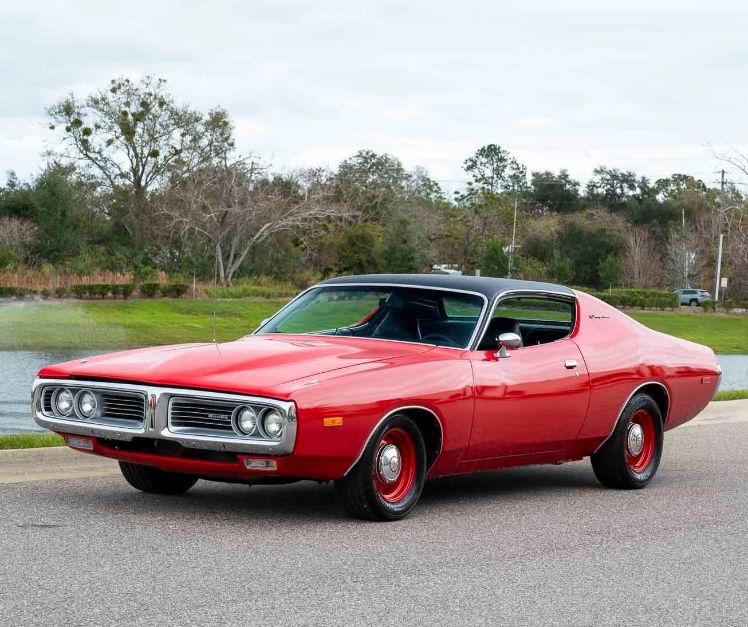
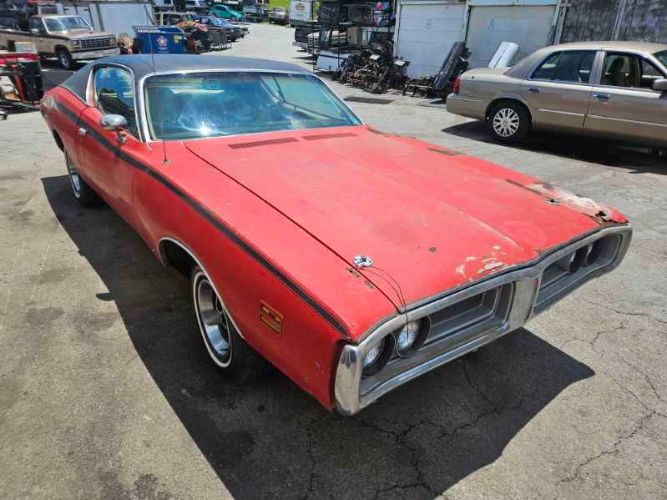
1972 Dodge Charger
 Dealer
United States
Dealer
United States
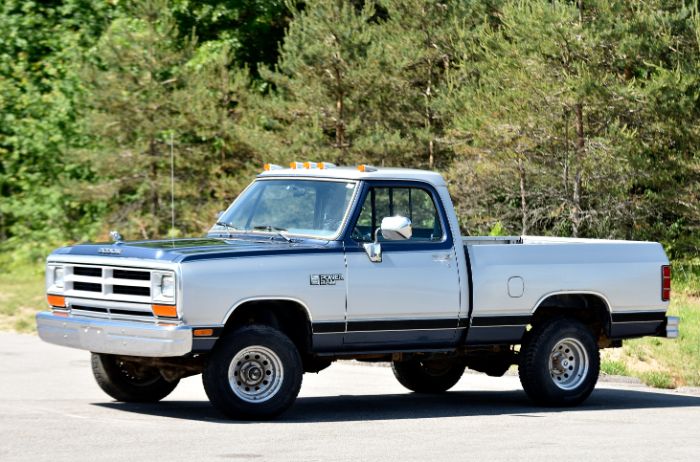
1988 Dodge Ram
 Dealer
United States
Dealer
United States