
Is the Fiat 124 Spider reliable as a weekend car?

The 124 Spider's reliability reputation is almost entirely a function of deferred maintenance. I have documented examples with 120,000 miles on original engines — driven regularly, serviced correctly — that run as cleanly as the day they left Turin. I have also seen cars with 40,000 miles that required complete mechanical rebuilds because a prior owner ignored the timing belt. The car rewards competent ownership in proportion to what it demands.
The Timing Belt — Non-Negotiable
The DOHC Fiat/Lampredi engine uses a rubber timing belt rather than a chain. The belt must be replaced every 25,000 miles or 3 years, whichever comes first, without exception. A snapped timing belt at speed is an engine-destroying event — the valves meet the pistons and the damage is immediate and complete. Replace the water pump at the same time (it is driven off the same belt on later cars); the marginal additional cost is trivial versus the labor saved. If a seller cannot document belt replacement within the last 25,000 miles, assume it needs doing and budget accordingly.
The Rust Imperative
The 124 Spider's twin-cam engine may be the reliability variable, but rust is the ownership-ending condition. These cars rust aggressively in the sill panels, floor pans, inner fender wells, trunk floor, and windscreen frame. A structurally compromised car is not a restoration project — it is a parts donor. Inspect with a flashlight inside the door sills (tap and listen for hollow sounds), check the trunk floor where the spare tire sits, and push firmly on the floor pans inside. Any flex or paint bubbling over metal indicates active corrosion.
Weber Carburetors vs Spica Injection
European-specification cars used Weber carburetors — dual-throat downdrafts that are well-understood, serviceable anywhere, and produce an engaging throttle response. US-market cars from 1968–1980 used the Spica mechanical fuel injection system. A properly calibrated Spica system is reliable and efficient; a mis-set one produces flat spots, hard starting, and frustration. Find a Spica-certified technician (Alfa Romeo and Fiat specialists often share knowledge here) before committing to a US-market car with unknown injection history.
Practical Weekend Ownership
- Annual mileage: 2,500–5,000 miles is the sweet spot for reliable operation without excessive sitting
- Service frequency: Oil change every 3,000 miles (these engines run hot, oil degrades faster than modern cars), timing belt every 25,000 miles
- Storage: Indoor storage prevents the rust creep that kills these cars; a cover over a concrete floor with poor drainage is not sufficient
- Specialist relationship: A trusted Fiat/Alfa specialist who knows these engines is worth more than any other single ownership asset
"A 124 Spider that's been properly maintained is a deeply satisfying companion — the twin-cam rewards smooth inputs and the Pininfarina shape makes every arrival an event. The ones that aren't properly maintained will teach you exactly what neglect costs."
— Emily Chen
Browse current listings
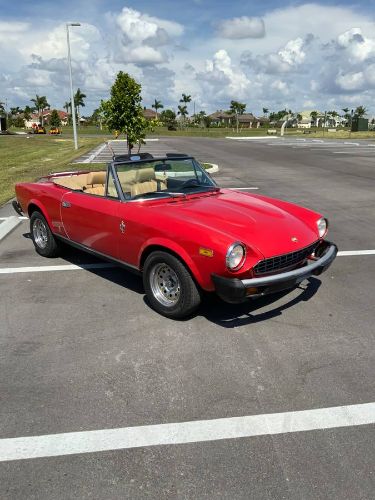 Dealer
 United States
1979 Fiat 124 Spider
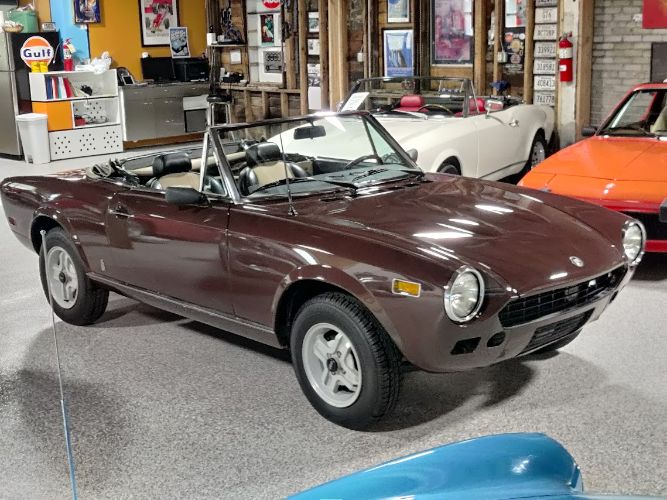 Dealer
United States
Dealer
United States
1977 Fiat 124 Spider
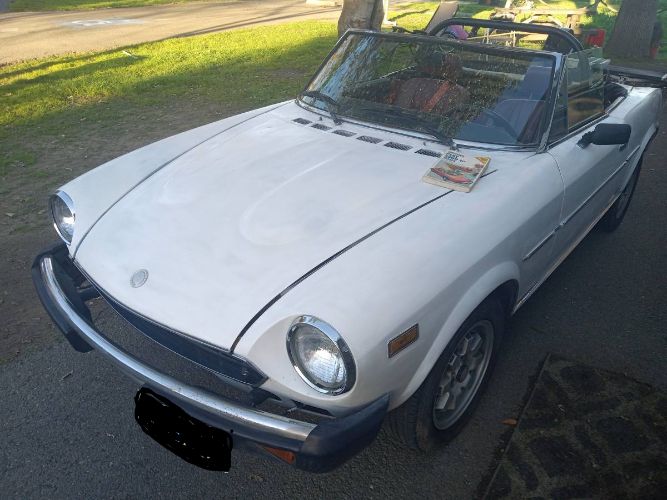 Dealer
United States
Dealer
United States
1980 Fiat 124 Spider
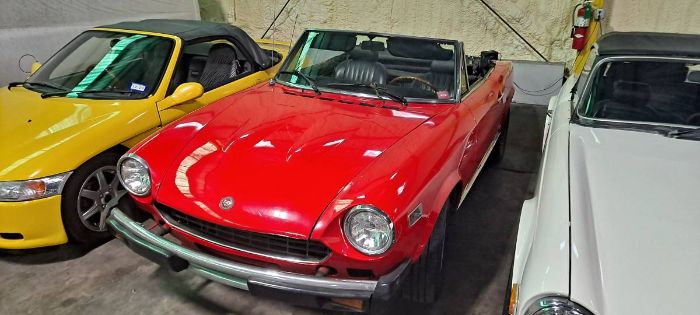 Dealer
United States
Dealer
United States
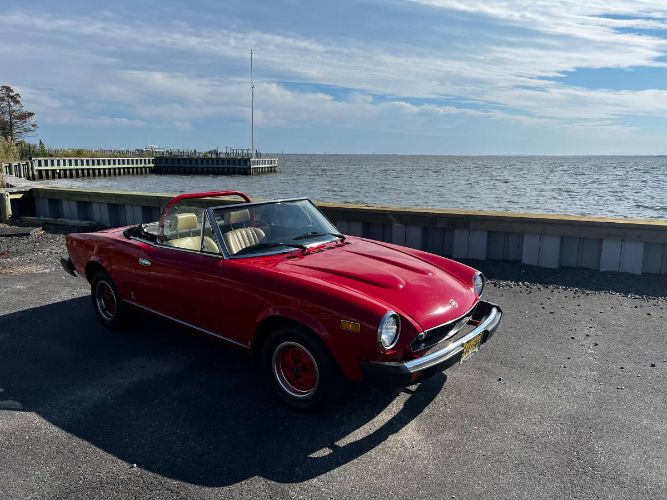
1976 Fiat 124 Spider
 Dealer
United States
Dealer
United States
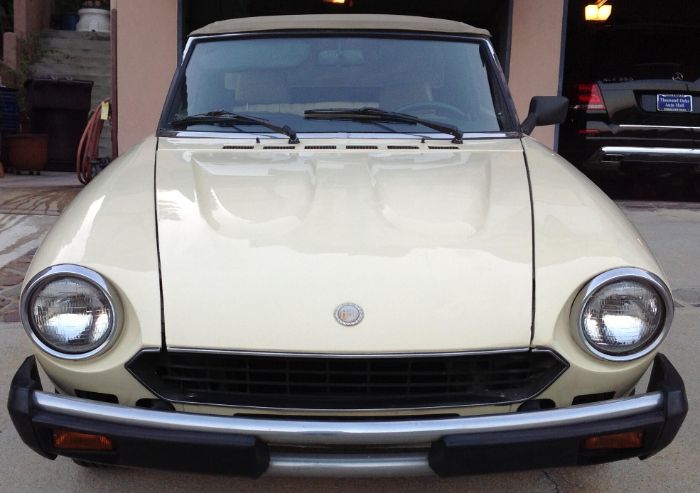
1979 Fiat 124 Spider
 Dealer
United States
Dealer
United States