
Is the IH Scout becoming a serious collector car?

The Scout's trajectory over the past decade is one of the more interesting collector car stories. Ten years ago these were $8,000 trucks that serious collectors ignored. Today a sorted, honest Scout II V8 with original paint and no rust is a $40,000 truck, and the best examples cross $55,000 at specialist auctions. The supply is permanently fixed — that's the foundation of everything.
Why Supply Is Permanently Fixed
International Harvester exited the consumer vehicle market in 1980, selling its agricultural and truck operations to different buyers. No new Scouts were ever produced after that date. Unlike most other American trucks from the same era, there is no ongoing parts relationship between IH and any current manufacturer — the parts ecosystem is entirely aftermarket and specialist-driven. This scarcity is structural, not temporary.
What Buyers Are Paying For
The Scout II appeals to three distinct buyer groups: off-road enthusiasts (the truck's trail capabilities are genuinely impressive), design collectors (the boxy utilitarian aesthetic has aged remarkably well), and nostalgia buyers who grew up with these trucks in rural America. Three overlapping demand pools with permanently fixed supply is exactly the market structure that produces sustained appreciation.
The Best Investment Configurations
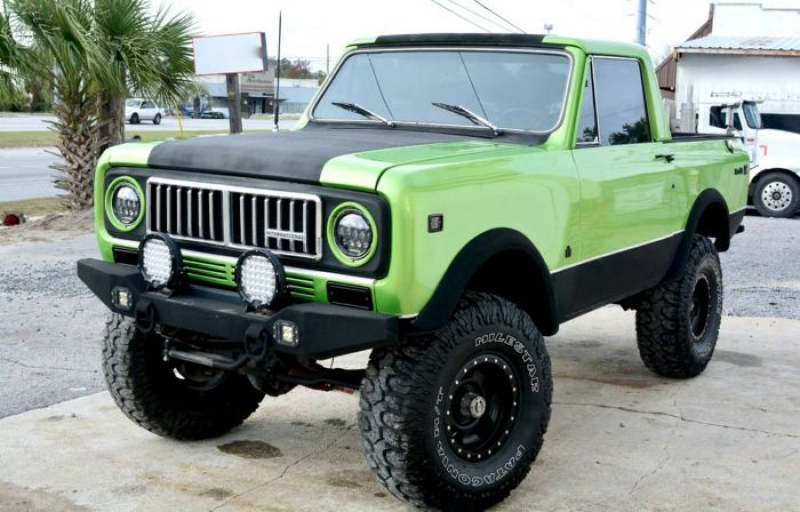
- Scout II Terra (pickup bed): Rarest body style, fastest appreciation
- Scout II Traveler (full wagon): Most practical, broad appeal
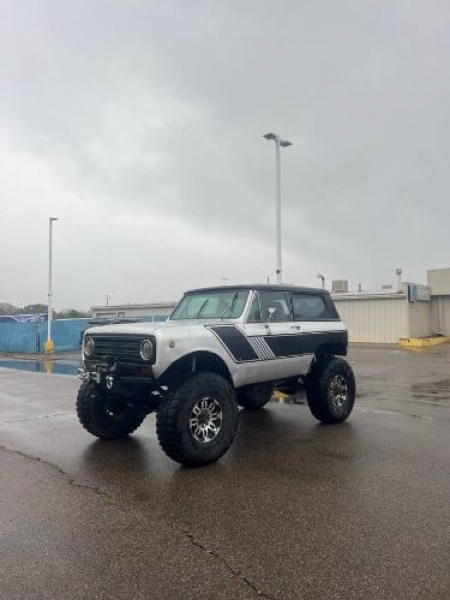
- SS-II Spirit of Scout package (1977–1980): Factory graphics, premium trim — the "top trim" Scout
- Any Scout II with documented original mileage under 60,000: Significant premium in all body styles
Risks
IH-specific parts can be expensive and have longer lead times than GM or Ford equivalents. A Scout that needs major mechanical work can become expensive quickly because of the specialist nature of the components. Buy the best-sorted, most complete example you can afford and avoid obvious project trucks.
Browse current listings
 Dealer
 United States
1975 International Harvester Scout II
 Dealer
United States
Dealer
United States