
How reliable is an International Harvester Scout as a daily driver?

The Scout's reliability reputation is mixed primarily because many examples have been neglected for decades and then sold as "runs great" project trucks. A Scout that a knowledgeable owner has sorted and maintained is a different vehicle entirely — capable, engaging, and dependable for weekend duty and light trail work.
The Engines
The Scout ran several distinct engine families over its production life:
- 196 four-cylinder "Comanche" (1961–1965): Adequate but underpowered for heavy use. Parts are harder to source.
- 266 V8 (1966–1971): Torquey and durable but uniquely IH — no cross-compatibility with GM or Ford components.
- 304 V8 (1971–1980): The sweet spot. Most common, best supported, adequate power.
- 345 V8 (1976–1980): More torque than the 304, preferred by trail users. Less common but still supported by IH specialists.
The Parts Challenge
IH engines are not Chevys or Fords — you can't walk into a parts store and grab a rebuild kit. Specialist suppliers (Midwest Jeep Willys, IH Parts America, Scout Specialist) carry the critical components, but lead times can be longer than you'd expect for a GM or Ford equivalent. This isn't a reason not to buy a Scout; it's a reason to source your mechanic and parts vendors before you need them.
Electrical Systems
Scouts of the early-to-mid 1970s have aging wiring that benefits from a systematic inspection and refreshing. The ammeter-based charging system (rather than a voltmeter) gives less warning before failure. Upgrading to a modern alternator and adding a voltmeter to the dash is a $200–$400 improvement that eliminates most charging system surprises.
Verdict
A sorted Scout with a good 304 V8, refreshed electrical system, and solid body is a dependable weekend vehicle. Don't try to daily-drive one without a backup plan — but for the owner who wants something genuinely different that rewards mechanical engagement, the Scout delivers.
Browse current listings
 Dealer
 United States
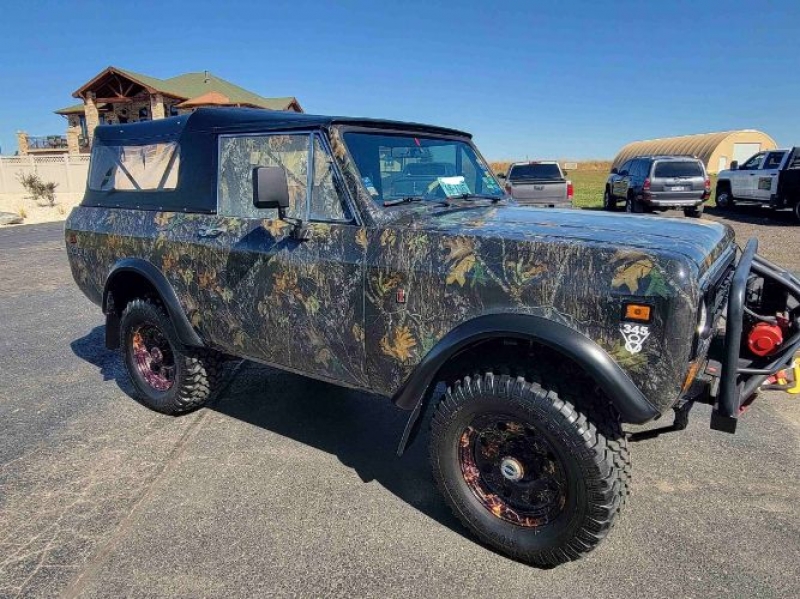
1979 International Harvester Scout
 Dealer
United States
Dealer
United States
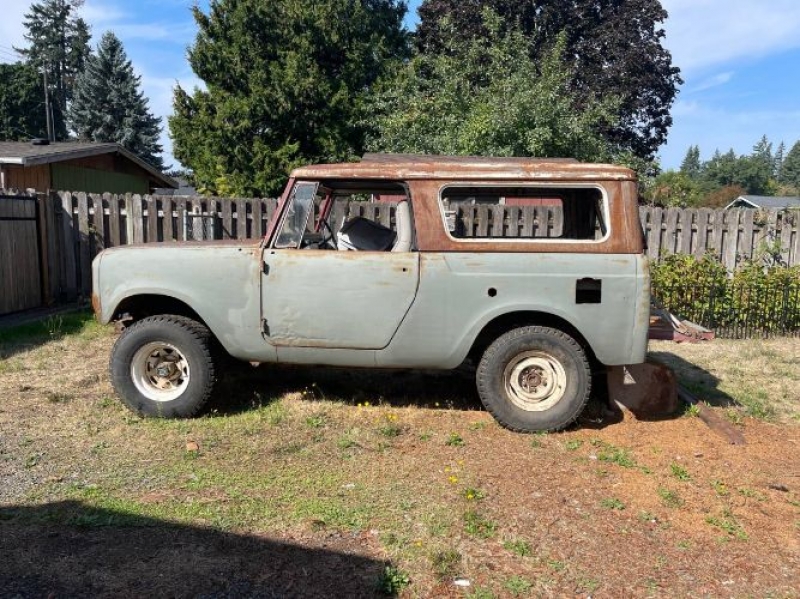
1972 International Harvester Scout
 Dealer
United States
Dealer
United States