
How much is a Plymouth Sport Fury worth in 2026?

I've inspected hundreds of full-size Mopar performance cars over the years, and the Sport Fury is consistently one of the most overlooked values in the segment. Buyers chase Roadrunners, Chargers, and GTXs — all legitimate muscle — while the Sport Fury sits nearby with the same drivetrain options, equivalent build quality, and a 20–30% discount simply because it carries a full-size body rather than an intermediate. The market premium for mid-size Mopar is real, and the Sport Fury is the direct beneficiary of that gap.
Year-by-Year Guide
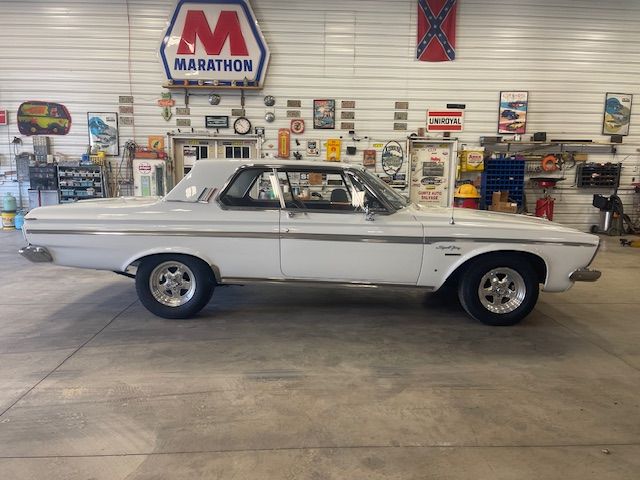
- 1962–1964: Early Sport Fury on B-body platform. Max Wedge 426 available in 1963–1964 — drag-racing heritage cars. Values: $25,000–$58,000.
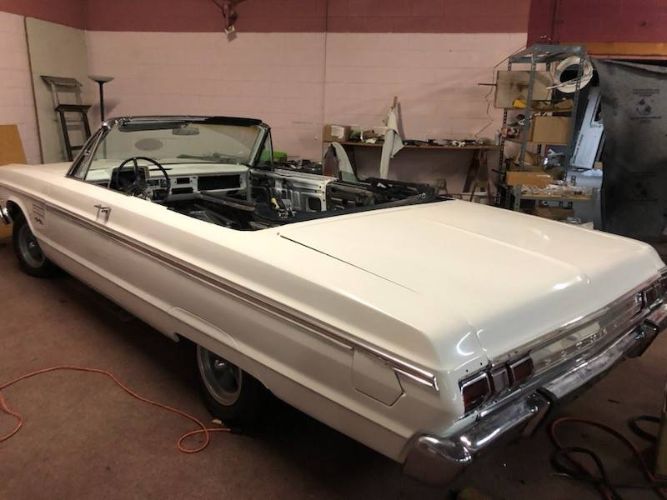
- 1965–1966: Redesigned full-size C-body. The 383 4-barrel and 426 Hemi available. 1966 is the most refined of the mid-decade cars. Values: $28,000–$65,000.
- 1967–1968: Revised styling, 440 four-barrel becomes the volume performance engine. 426 Hemi continues as the premium option. Values: $32,000–$75,000.
- 1969: The Sport Fury GT introduced — a separate model with 440 Six Pack, specific stripes, and GT badging. The most collectible production Sport Fury. Values: $38,000–$85,000.
- 1970–1971: Final years, emissions and safety changes begin. 440 Six Pack and Hemi available through 1971. Values: $28,000–$62,000.
The 426 Hemi Premium
In my shop, the most common question about Sport Fury values is what a Hemi example is actually worth. The answer is straightforward: a documented, numbers-matching Hemi Sport Fury commands 60–80% more than the equivalent 440 car. Verify the Hemi engine using the VIN derivative stamped on the engine block pad (left front of block, just ahead of the cylinder head). The fender tag — the broadcast sheet decode — specifies the engine RPO code. A claimed Hemi car without a matching fender tag and block stamp should be approached as a clone until proven otherwise.
440 Six Pack — The Value Choice
For buyers who want Sport Fury performance without the authentication complexity of a Hemi car, the 440 Six Pack (three two-barrel Holley carburetors on a 440-cubic-inch B-block) is the correct answer. In the 1969 Sport Fury GT, it produces 390 hp, sounds appropriately aggressive, and is straightforward to authenticate and maintain. The Six Pack intake manifold and carburetor setup is a documented RPO that appears on the fender tag — no guesswork required.
"The Sport Fury with a 440 or Hemi is the same performance as a GTX or Roadrunner with a full-size body tax. The full-size tax is a bargain if you actually want the car instead of the badge."
— Mike Sullivan
Browse current listings
 Dealer
 United States
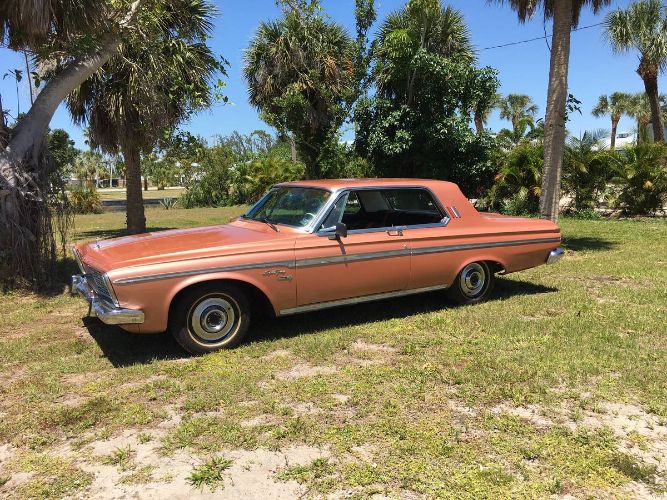
1963 Plymouth Sport Fury
 Dealer
United States
Dealer
United States
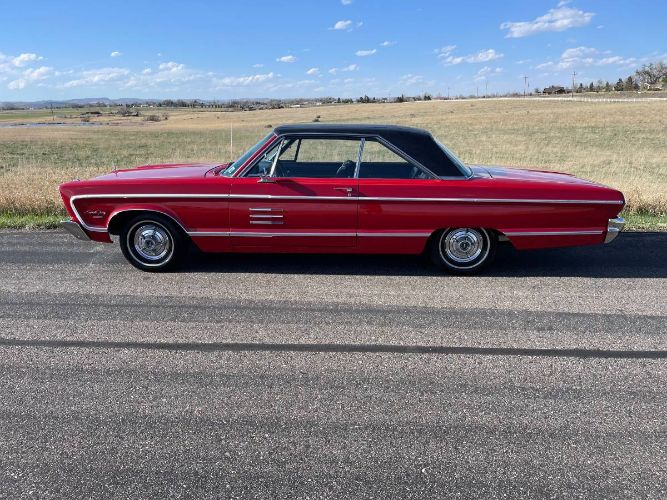
1966 Plymouth Sport Fury
 Dealer
United States
Dealer
United States
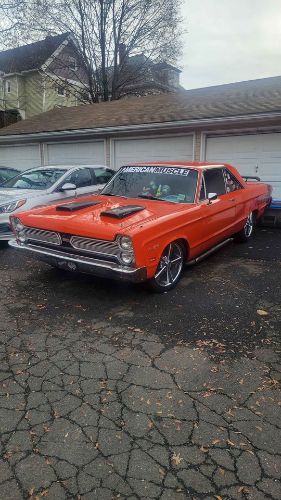
1966 Plymouth Sport Fury
 Dealer
United States
Dealer
United States
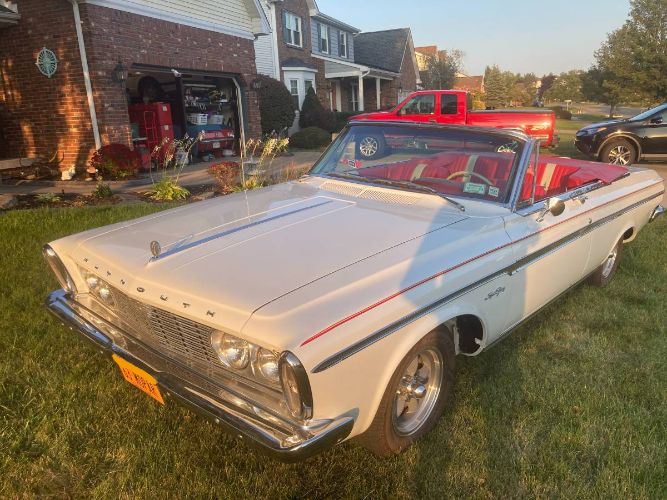
1963 Plymouth Sport Fury
 Dealer
United States
Dealer
United States
1965 Plymouth Sport Fury
 Dealer
United States
Dealer
United States