
How much is a Studebaker Avanti worth in 2026?

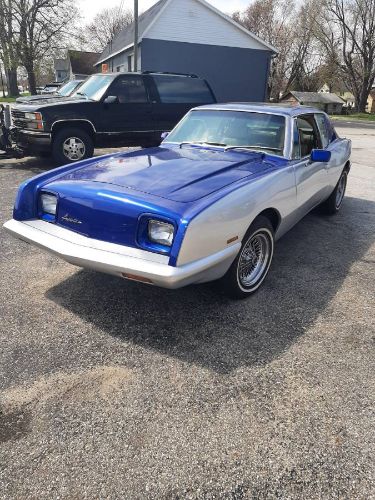
From a concours judging perspective, the Studebaker Avanti occupies a unique position in the American automobile canon — it is a genuinely avant-garde design produced by a company in its final years, and its survival as a collectible says everything about the quality of Raymond Loewy's vision. The Avanti was Studebaker's last hand-raised concept: a dramatic, fiberglass-bodied grand touring car designed by a European industrial designer working against an impossible deadline. That it exists at all, and that it exceeded production expectations, remains one of the more remarkable stories in American automotive history.
Historical Significance
The Avanti was styled by Raymond Loewy's design office in 40 days — an almost unprecedented timeline for a complete body program. The fiberglass body was a deliberate choice for rapid tooling. Front disc brakes were standard — a first on a production American car introduced in 1963. The Paxton-supercharged R3 variant set 29 speed records at Bonneville Salt Flats in 1963. Among the marque registries, the Avanti is documented as the fastest production car built in the United States at the time of its introduction.
2026 Pricing by Specification
- R1 (non-supercharged 289 V8, 240 hp): $22,000–$42,000
- R2 (Paxton supercharged 289, 290 hp): $32,000–$55,000
- R3 (Paxton supercharged, 335 hp, rarest): $48,000–$85,000
- R4 (twin supercharged, Bonneville record car): private sale only
Authentication
The Studebaker Drivers Club maintains the definitive production records for all Avanti VINs, including engine specification and original color documentation. The club's technical advisors can verify supercharger specification from the data plate and broadcast sheet — essential given the premium commanded by genuine R2 and R3 cars. Reproduced supercharger installations on R1 cars are not uncommon in the market.
Investment Outlook
The unrestored survivor in original livery commands the premium in the current Avanti market. Values have been quietly rising as the post-war design aficionado market — distinct from the muscle car audience — discovers the Avanti's design and engineering significance. The combination of art-car design credentials, Bonneville racing history, and fixed production numbers supports long-term appreciation.
Browse current listings
 Dealer
 United States
1988 Studebaker Avanti
 Dealer
United States
Dealer
United States