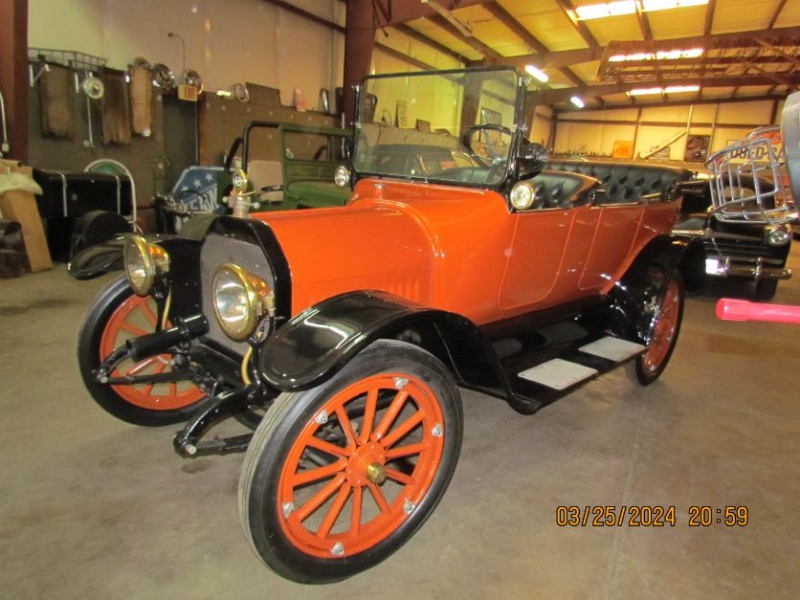
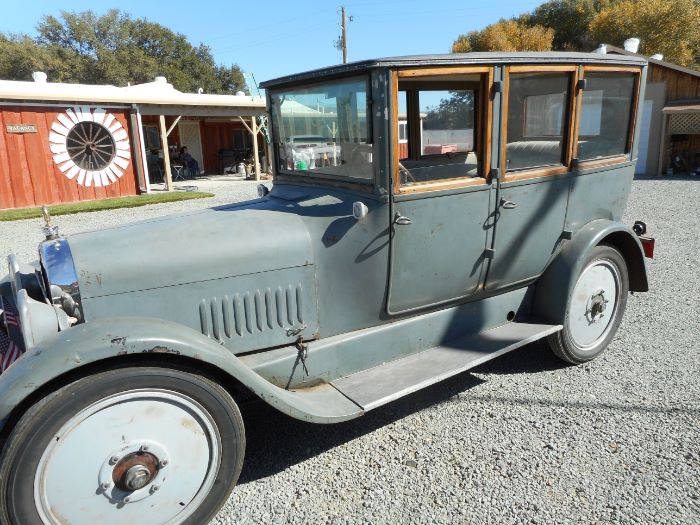
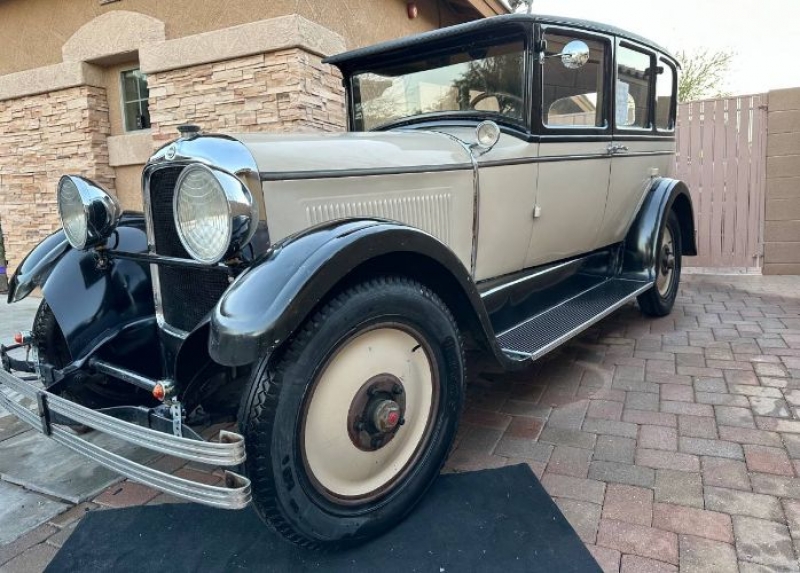
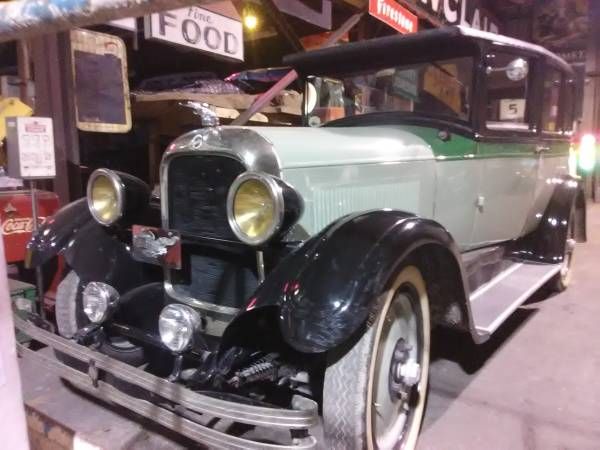
The Studebaker Champion launched for 1939 as Studebaker's economy-line entry — designed specifically to compete with the Ford and Chevrolet entry-level sedans during the late-Depression era. Across nineteen years of production (1939-1958), the Champion became Studebaker's volume model line and the foundation of the marque's post-war success. The 1947 Loewy redesign launched what was widely hailed as the "first all-new post-war American car," and the 1953-1955 Loewy-designed Starlight Coupe established the apex of Studebaker styling. From a concours judging perspective, well-documented Loewy-era Champions consistently outperform comparable era Big Three cars in design recognition. The Champion offers exceptional value for collectors entering the orphan-marque American collector segment — particularly with the strong Studebaker National Museum, marque registry, and specialist parts support that supports continued ownership.
Common Issues
Champion rust patterns vary by era. Pre-1939 (and 1939-1942) cars have wood inner body framing — water penetration causes wood rot in addition to steel rust. Post-1947 all-steel cars rust at lower body panels, running boards, fender attachment points, rocker panels, and floor pans. The 1953-1958 Loewy-era cars rust at the lower rear quarters, rocker panels, and floor pans.
Mechanically, Studebaker engines varied across the Champion production run. The 170 cubic inch flathead inline-six (1939-1955), 186 cubic inch OHV inline-six (1956-1958), and various six-cylinder configurations are all robust when maintained. Common issues include leaky valve cover gaskets, oil pan gasket leaks, worn timing chains, and tired carburetor settings.
The Borg-Warner three-speed manual transmission and Studebaker automatic transmission (later years) are reasonably durable. Common issues include leaky transmission seals on neglected cars.
Parts support is reasonable through specialist Studebaker suppliers (Studebaker International, Phil's Studebaker Parts, others). Not as extensive as Big Three parts support, but adequate for proper restoration and maintenance work.
Electrical issues are universal classic-car concerns. Pre-1956 Studebakers used 6-volt positive-ground systems requiring specific bulbs and components. Many cars have been converted to 12-volt for modern reliability.
For pre-1948 Champions, the mechanical brake system requires periodic specialist adjustment. Failed or poorly-adjusted mechanical brakes are the most common cause of pre-war Studebaker accidents. Many cars have been converted to hydraulic brake systems for daily-driver use.
What to Look For
Cross-reference any Champion priced over $20,000 against Studebaker National Museum records. The museum (South Bend, Indiana) maintains original production records and can verify chassis number, engine number, original paint code, and original specifications.
For 1953-1955 Champion Starlight Coupe claims, verify the slim-pillar Loewy body styling is intact and undamaged. The Starlight Coupe's defining feature is the slim B-pillar and large rear glass — replacement structural components alter the original proportions.
Body style verification is essential. Champion was offered in numerous body styles: sedan (4-door), coupe (2-door), Starlight Coupe (1953-1955 only), convertible (limited years), station wagon. Each has different value trajectories.
Engine identification is straightforward. The Studebaker 170 cubic inch flathead inline-six (1939-1955) and 186 cubic inch OHV inline-six (1956-1958) have specific casting numbers and identifying features. Cross-reference VIN engine code with actual engine.
For pre-1939 (and 1939-1942) Champions, probe the wood inner body framing at door pillars, windshield post, and rear body corners. Wood rot is universal on neglected examples.
For 1947-1949 Loewy redesign cars, verify the unique post-war styling features: modern slab-side proportions, refined dashboard, characteristic chrome trim. Replacement body panels from later years alter the original proportions.
For 1950-1951 cars, verify the famous "spinner" front grille is original and undamaged. The spinner grille is a defining Loewy-era feature.
Document the car. Photograph every panel, every chassis number, every engine bay component, every interior detail, and every identifying tag.
Price Guide
1939-1942 pre-war Champion sedans: driver-quality cars run $12,000-$26,000. The 1939 launch year is most desirable. Documented original cars: $20,000-$35,000.
1946 (limited production return after war): driver-quality cars run $14,000-$28,000.
1947-1952 Loewy redesign Champion: driver-quality cars run $14,000-$28,000. Documented original-paint cars: $22,000-$38,000. The 1950-1951 "spinner" grille cars are most desirable.
1953-1955 Loewy-designed Champion Starlight Coupe: driver-quality cars run $20,000-$42,000. Documented original-paint Loewy-era cars: $30,000-$55,000+.
1953-1955 Champion sedan and other body styles: driver-quality cars run $14,000-$28,000. The Starlight Coupe is dramatically more desirable than equivalent sedan or other body styles.
1956-1958 final Champion era: driver-quality cars run $14,000-$26,000. Less desirable than Loewy-era cars due to increasingly conservative styling.
Convertible Champions (limited years 1939-1948 and 1955) command 25-35% premium over equivalent hardtop sedans.
Project Champions start around $4,000-$12,000 across most generations. Stripped roller candidates: $1,500-$5,000. Restoration costs are higher than Big Three restoration due to Studebaker-specific parts scarcity.
Did You Know?
The 1939 Studebaker Champion was specifically designed to compete with the Ford and Chevrolet entry-level sedans during the late-Depression era. Studebaker's product planners targeted a price point of approximately $660 — below the $700 mark that was considered the threshold for budget-conscious buyers in 1939. Champion launched at $660 for the base coupe and sold over 70,000 cars in its launch year, despite the depressed economic environment. The Champion's success transformed Studebaker from a struggling premium-brand manufacturer into a viable volume producer.
The 1947 Studebaker Champion was widely hailed as the "first all-new post-war American car." Studebaker introduced its Loewy-designed redesign nearly a year before Ford or General Motors launched all-new post-war designs — the 1947 Champion launched in May 1946, while the all-new 1949 Ford launched in June 1948 and the all-new 1949 Chevrolet launched in November 1948. Studebaker's rapid post-war redesign demonstrated the agility advantage of independent automakers compared to Big Three corporate processes.
The 1953-1955 Studebaker Champion Starlight Coupe (designed by Raymond Loewy) was featured in the Museum of Modern Art's 1953 "Ten Automobiles" exhibition that recognized exceptional automotive design as art. The Starlight Coupe's slim-pillar styling and large glass area established the standard for personal-luxury coupe design that influenced subsequent American cars from the Chevrolet Corvette to the Ford Thunderbird and Cadillac Eldorado. From a concours judging perspective, the Starlight Coupe is consistently rated one of the most beautiful American cars of the post-war era.