Published June 10, 2026Updated June 19, 20265 generations1949–1979
The Beetle is the rare car where the engineering brief barely changed for thirty years and that turned out to be the point. Rear-mounted air-cooled flat-four, torsion-bar suspension, a platform chassis with the body bolted on top, and a relentless program of small annual improvements rather than wholesale redesigns. That is the whole car. What makes the Beetle worth understanding as a collector is that the changes were incremental and dated, so you can read a car like a logbook: the rear window, the bumper shape, the engine displacement, and the front suspension all tell you the year before you find the chassis plate. Here is how to read it.
Volkswagen Beetle — Generation by Generation
1949–1953
Split Window
"The rarest and earliest cars"
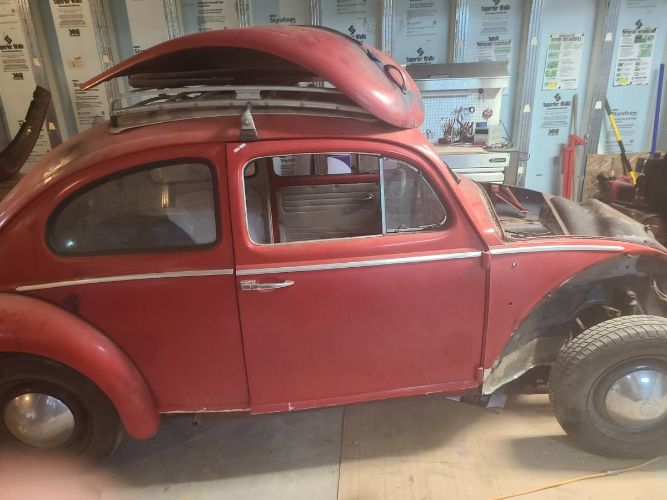
The first Beetles sold in the US have a rear window divided by a central bar, which is where the split-window name comes from. The earliest cars used a 1131cc flat-four making around 25 horsepower, and the equipment was spartan: cable brakes on the very early cars, semaphore turn signals, and minimal instrumentation. These are the cars collectors chase hardest, and originality matters enormously because so few survive unmodified. The split-window look is unmistakable and the values reflect the rarity.
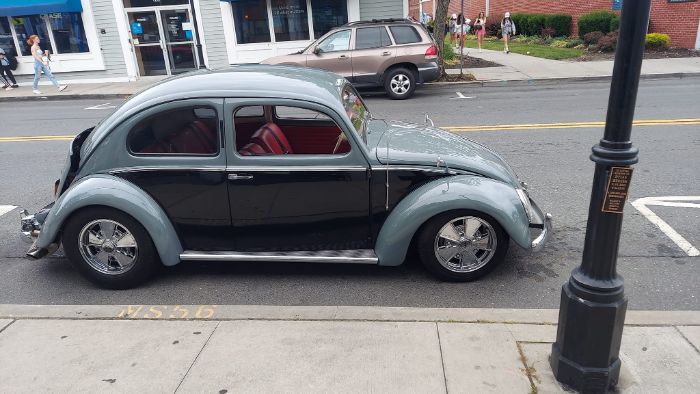
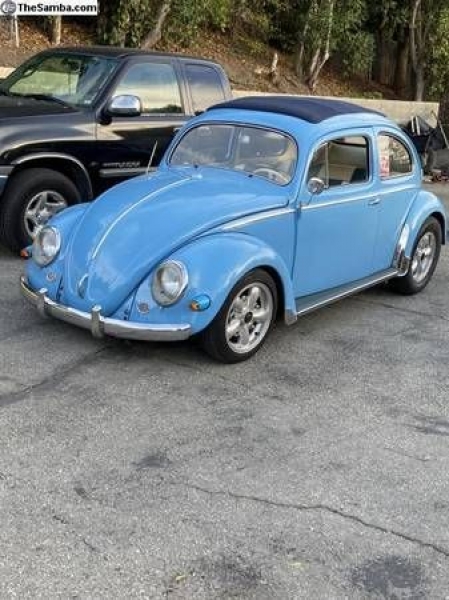
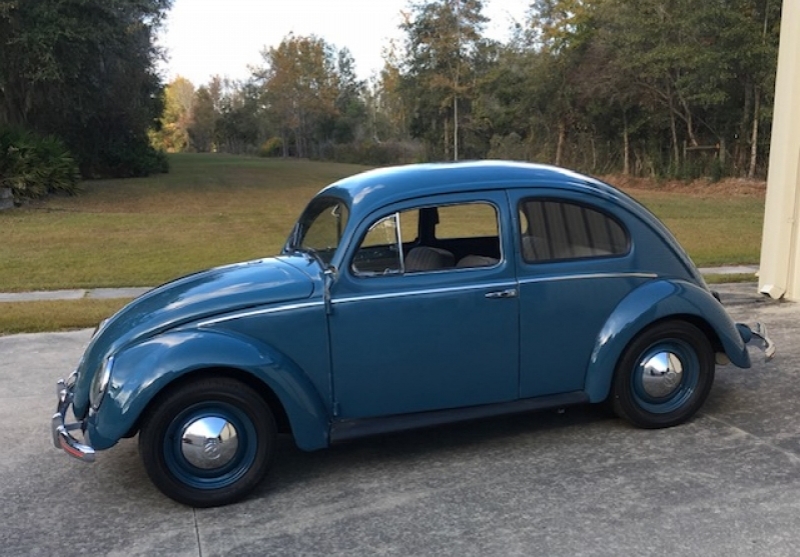
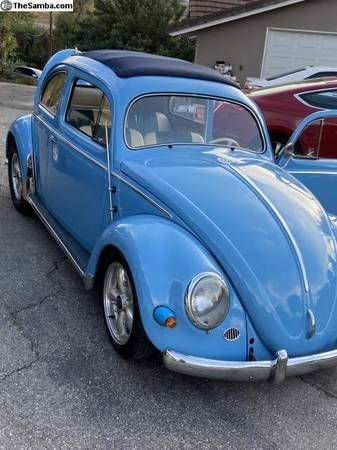
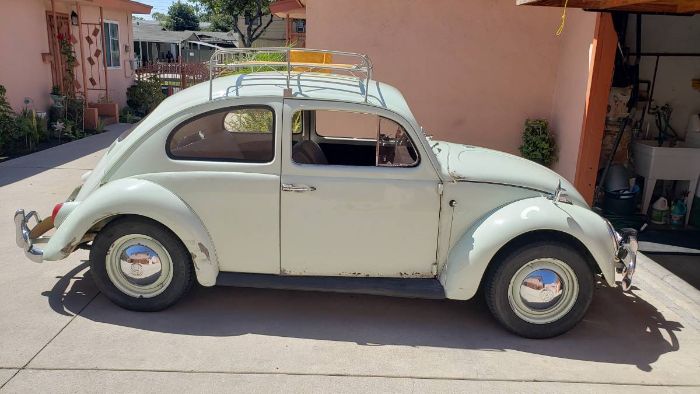
In 1953 the divided window gave way to a single oval rear pane, and displacement grew to 1192cc with output rising to around 36 horsepower by 1954. These cars kept the early dashboard and small taillights but gained usability with the larger engine and detail improvements every year. The oval-window cars sit just behind the split-windows in desirability, and they are a more practical way to own a genuinely early Beetle.
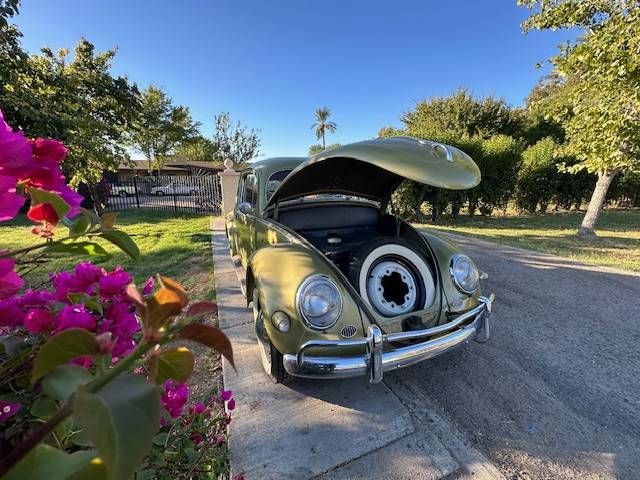
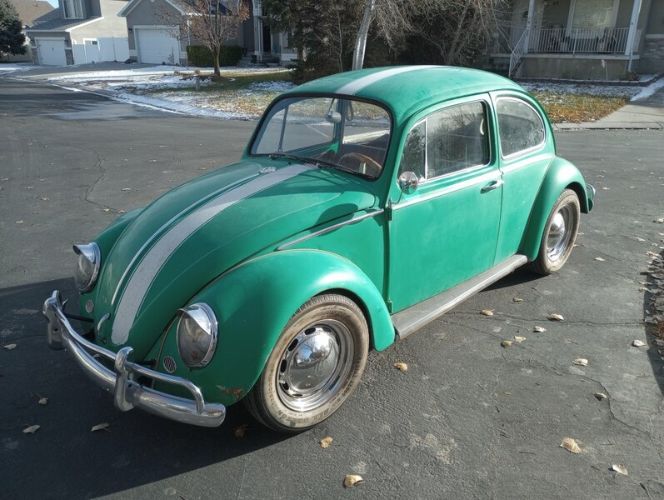
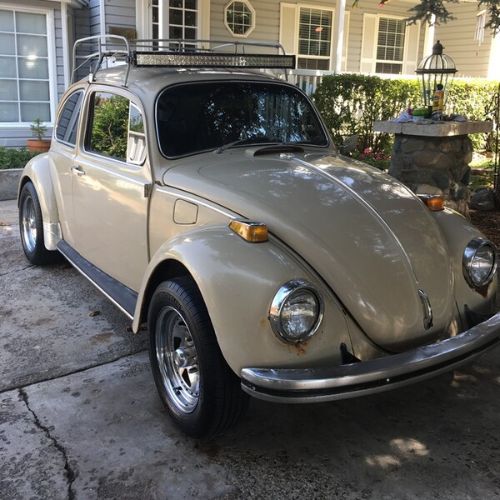
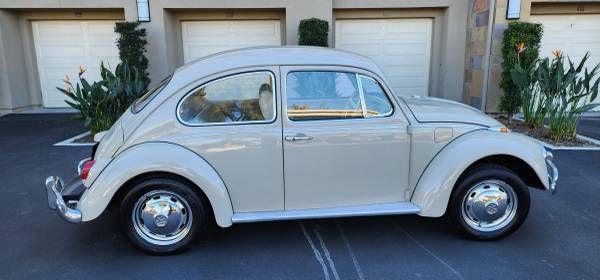
From 1958 the rear window grew significantly larger and the windshield grew with it, giving these cars far better visibility. Through the 1960s the Beetle got a string of improvements that made it the practical classic it is today: a 1200 then 1300 and 1500 engine, a fuel gauge in 1962 replacing the reserve tap, and front disc brakes available on the 1500 from 1966. The 1967 car is a favorite because it combines the upright pre-1968 looks with the bigger 1500 engine and 12-volt electrics. This is the range most buyers should start with.
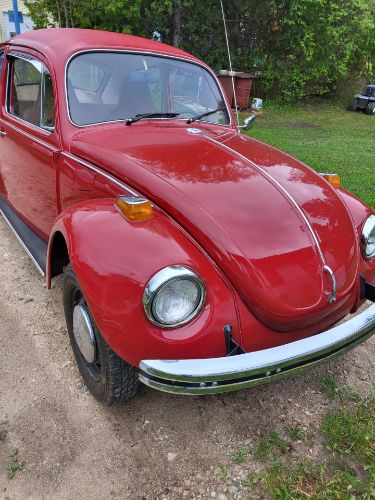
The 1968 cars adopted US safety and emissions changes that reshaped the look: larger, higher bumpers, a shorter engine lid, and external fuel filler access. The 1500 and then the 1600 dual-port engine improved performance and reliability, and a semi-automatic clutchless option appeared. Purists prefer the earlier cars, but these are robust, easy to live with, and cheaper to buy, which makes them a sensible entry into air-cooled ownership.
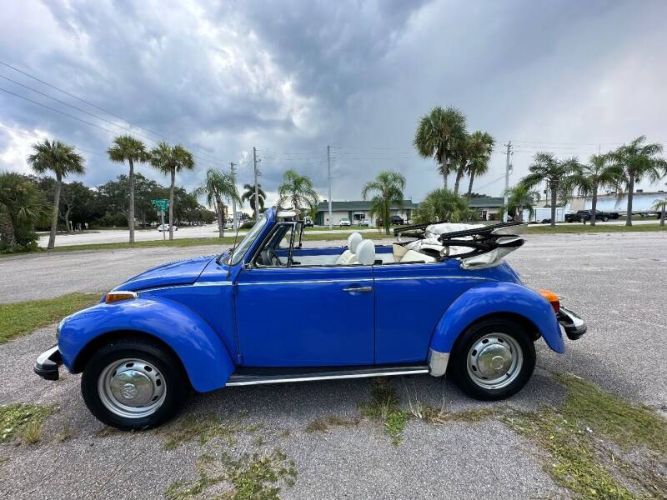
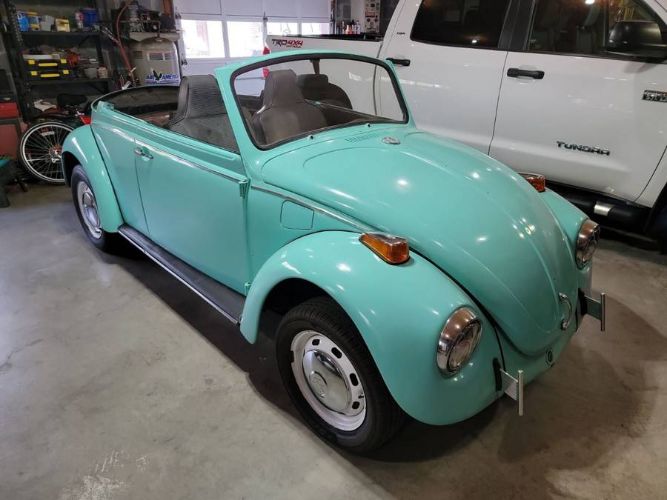
The Super Beetle of 1971 was the biggest engineering change in the car's life. A MacPherson strut front suspension replaced the torsion bars, which gave a longer, more useful front trunk, a tighter turn, and a softer ride. The 1973 Super gained a curved panoramic windshield and a padded dashboard. Standard torsion-bar Beetles continued alongside. The sedan left the US after 1977, but the Karmann convertible, built only as a Super, carried the line to 1979 and is the most sought-after of the later cars.
For a buyer, the Beetle rewards method over passion. The split-window and oval-window cars carry the rarity and the highest prices, the 1960s big-window standard cars are the sweet spot for usability and parts, and the Super Beetle gains a better ride and a real trunk at the cost of some purist appeal. The mechanicals are forgiving and the parts supply is among the best of any classic, but rust is the deciding factor on every one of them. Heater channels, the battery tray, the spare-wheel well, and the floorpan all rot from the inside, and a clean shell is worth far more than a strong engine. Inspect the steel first. Everything else you can rebuild on a bench.
Frequently Asked Questions
The Super Beetle, introduced for 1971, replaced the standard Beetle's torsion-bar front end with a MacPherson strut suspension, which gave it a larger front trunk, a tighter turning circle, and a softer ride. Standard torsion-bar Beetles continued alongside it.
Key visual cues include the rear window, split until 1953, oval through 1957, then progressively larger, along with the bumper style, the engine size, and from 1971 the curved Super Beetle windshield. The chassis number confirms it.
The Beetle sedan left the US market after 1977, and the Karmann-built convertible continued through 1979. Production of the original air-cooled Beetle carried on in Mexico until 2003.
📖
Thinking of Buying One?
Read our Volkswagen Beetle Buyer's Guide — pre-purchase checklist, common issues, and pricing.
Bay Area engineer with a deep focus on vintage Japanese and European performance cars. Approaches classic car research and restoration with an analytical eye.


 Dealer
 United States
 Dealer
 Dealer
 Dealer
 Dealer
 Dealer
 Dealer
 Dealer
 Dealer
 Dealer
 Dealer
 Dealer
 Dealer