
1923 Classic Cars for Sale
Lincoln Model L Judkins Coupe, Cadillac Type 61, and the last Locomotive-era prestige wars
Nineteen twenty-three sits at a genuine inflection point. Open touring bodies still outsell closed sedans, but the math is shifting fast. Buyers who spent the Great War years grateful for any motorcar now had opinions. Fabric roofs leaked. Side curtains rattled. The enclosed body was coming, and the coachbuilders who survived would define what American luxury meant for the next decade.
The Lincoln Motor Company, freshly absorbed by Henry Ford in 1922, was already drawing serious coachwork orders. Rollston and Judkins were fitting Lincoln Model L chassis with enclosed coachwork that rivaled anything from the European houses. Cadillac countered with the Type 61, its V-8 reliable enough to be boring, which was exactly what wealthy buyers wanted. Boring and fast and watertight.
For collectors today, 1923 represents a transitional moment worth understanding before writing a check. Cars from this year can be either open or closed body, and the gap in value between a correctly documented custom coachwork example and a plain factory body is enormous. Verify what you are actually buying before sentiment takes over.
- Ford produced 1,817,891 Model T units in calendar year 1923, a record that would stand as the peak of Model T production before decline set in.
- The Lancia Lambda, introduced in Europe, demonstrated unitary body construction and independent front suspension, concepts American manufacturers ignored for another decade.
- Duesenberg finished 1-2-3 at the 1923 Indianapolis 500 with Jimmy Murphy winning, burnishing the nameplate's racing credentials ahead of the luxury Model J program.
Showing 39 listings
 Dealer
 United States
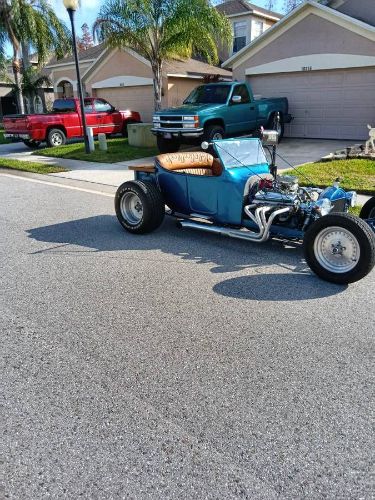
1923 Ford T Bucket
 Dealer
United States
Dealer
United States
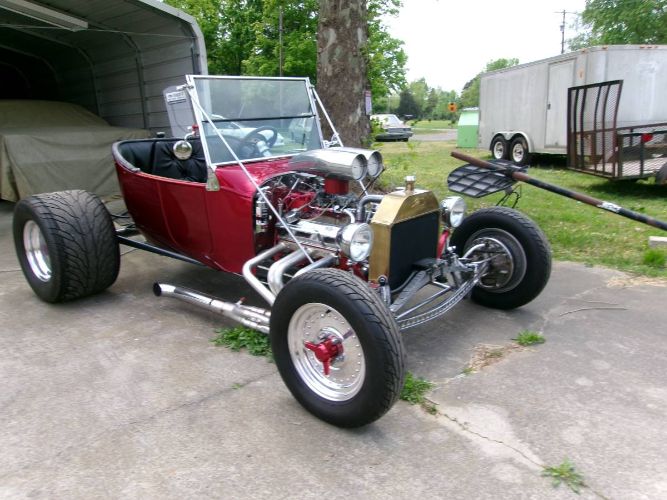
1923 Ford T Bucket
 Dealer
United States
Dealer
United States
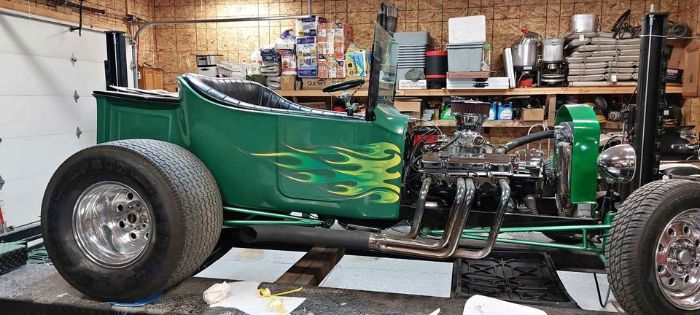
1923 Ford T Bucket
 Dealer
United States
Dealer
United States
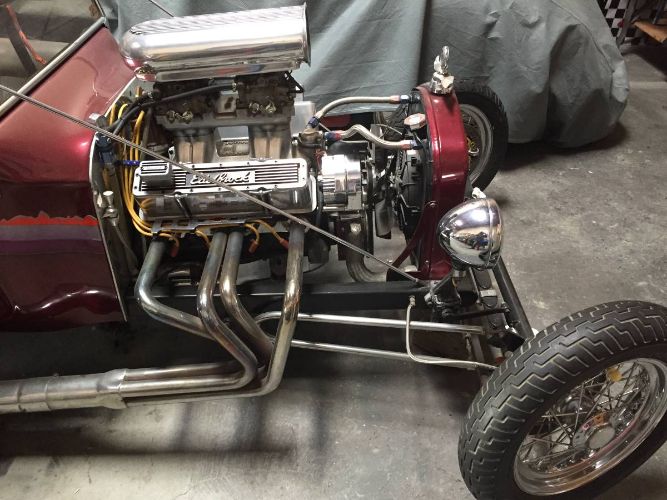
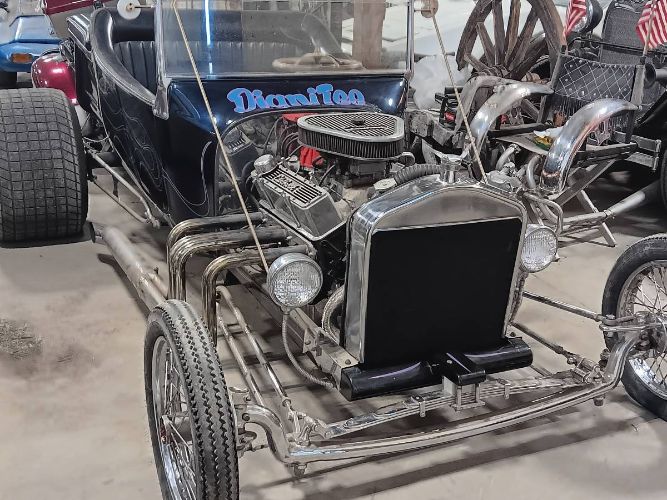
1923 Ford T Bucket
 Dealer
United States
Dealer
United States
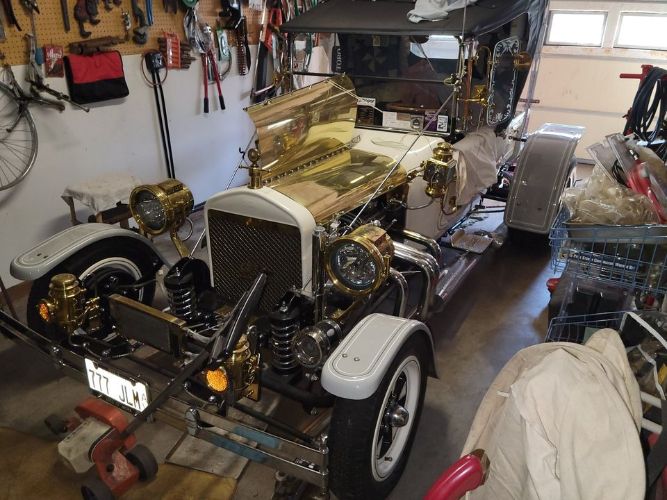
1923 Ford T Bucket
 Dealer
United States
Dealer
United States
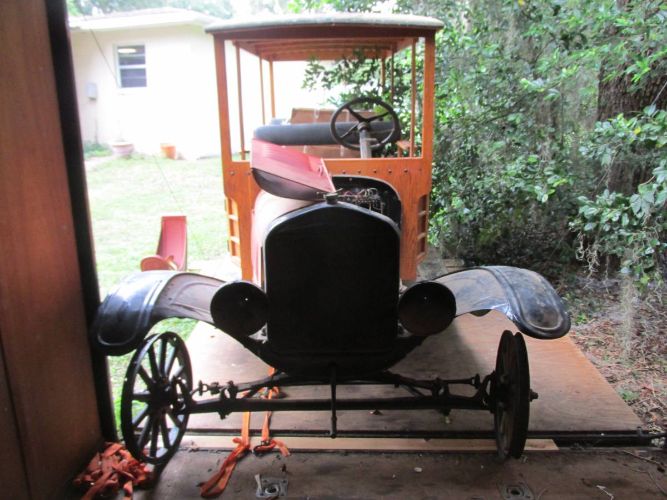
1923 Ford T Bucket
 Dealer
United States
Dealer
United States
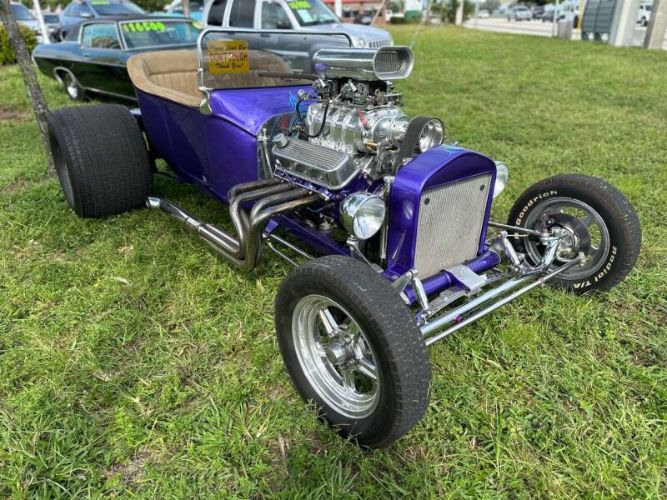
1923 Ford Model T
 Dealer
United States
Dealer
United States
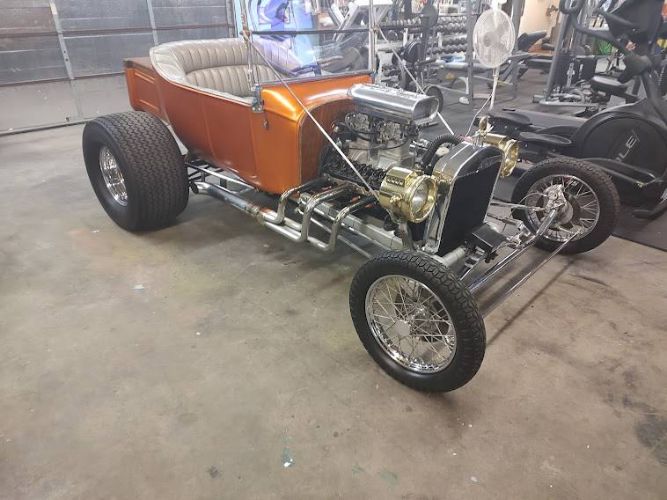
1923 Ford T Bucket
 Dealer
United States
Dealer
United States
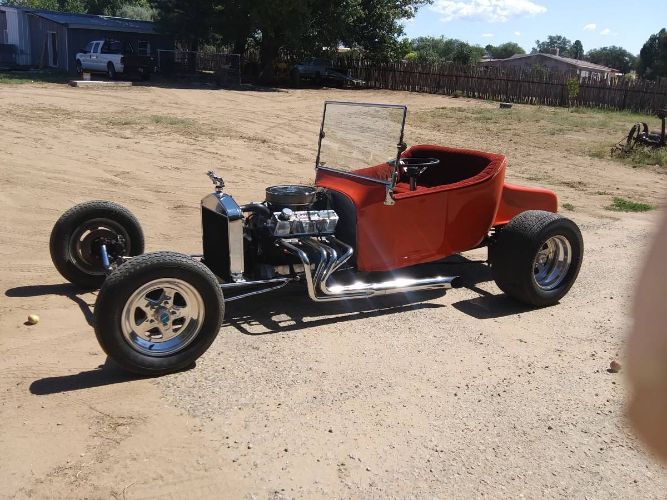
1923 Ford T Bucket
 Dealer
United States
Dealer
United States
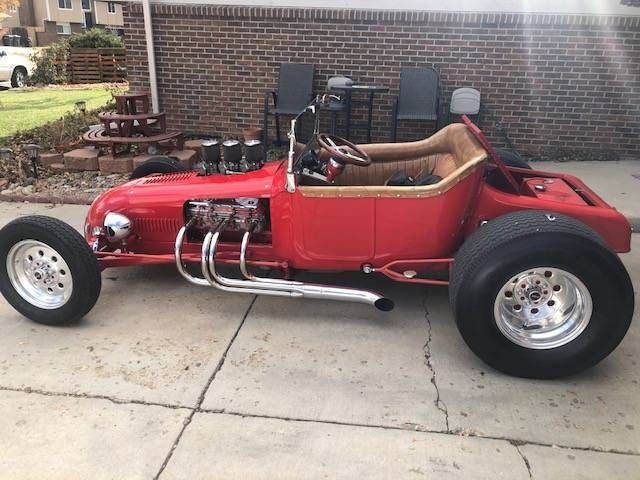
1923 Ford Model T
 Dealer
United States
Dealer
United States
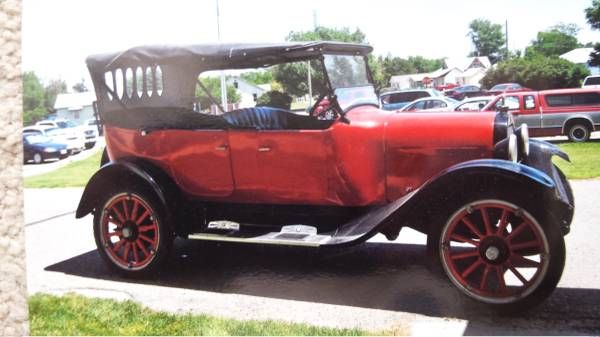
1923 Ford Model T
 Dealer
United States
Dealer
United States
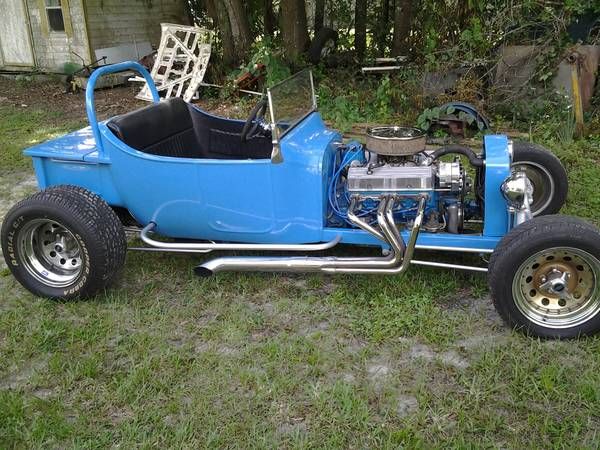
1923 Dodge 1 Ton
 Dealer
United States
Dealer
United States
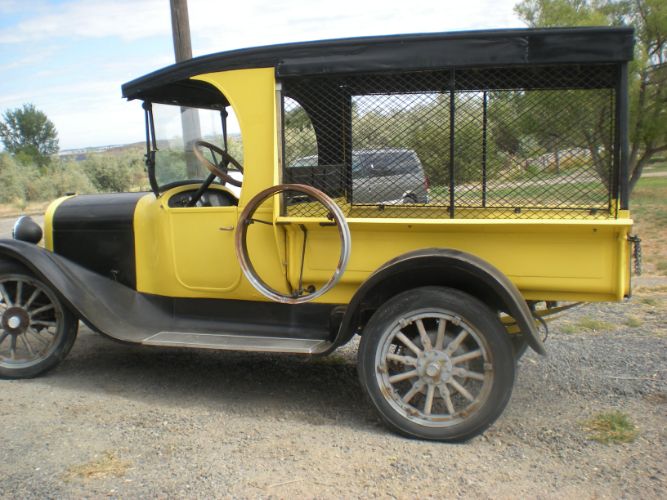
1923 Ford T Bucket
 Dealer
United States
Dealer
United States
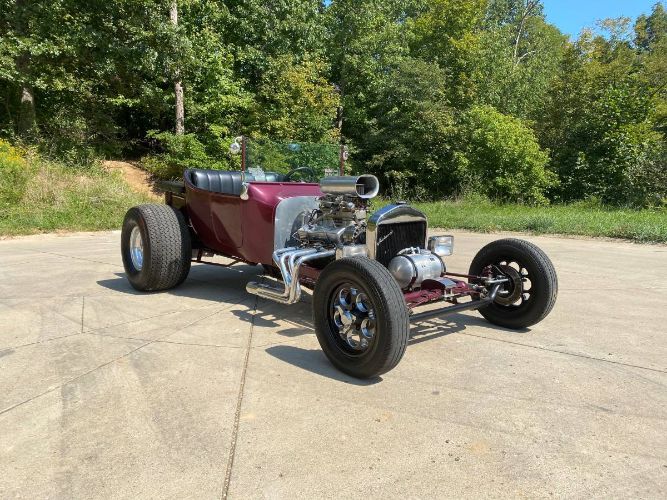
1923 Dodge Series 116
 Dealer
United States
Dealer
United States
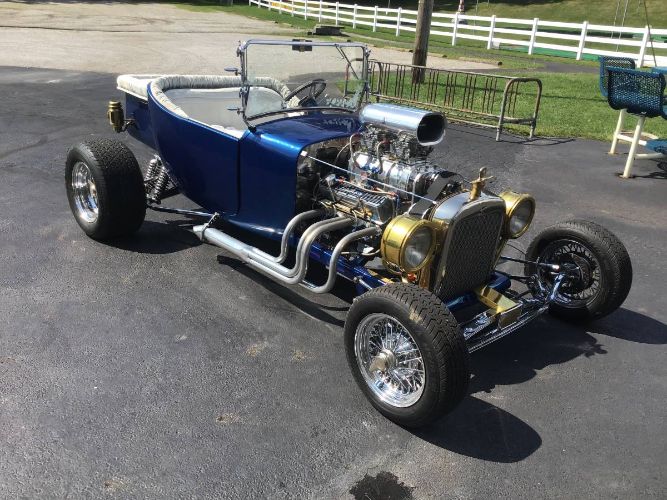
1923 Ford Model T
 Dealer
United States
Dealer
United States
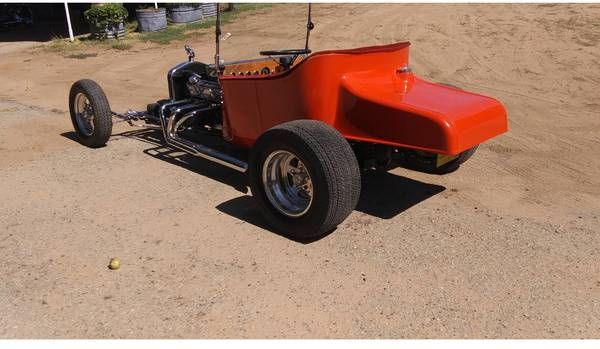
1923 Willys American
 Dealer
United States
Dealer
United States
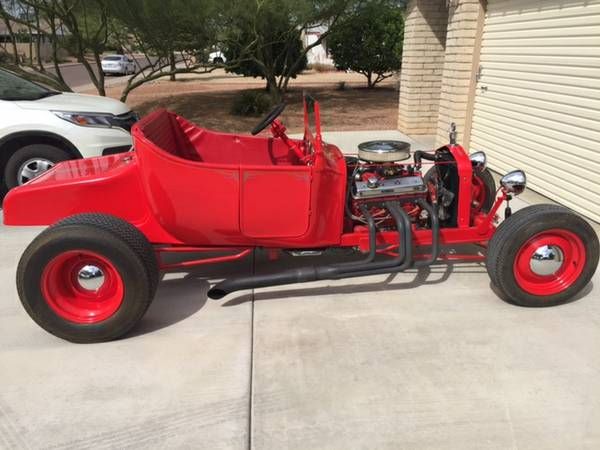
1923 Ford Model T
 Dealer
United States
Dealer
United States
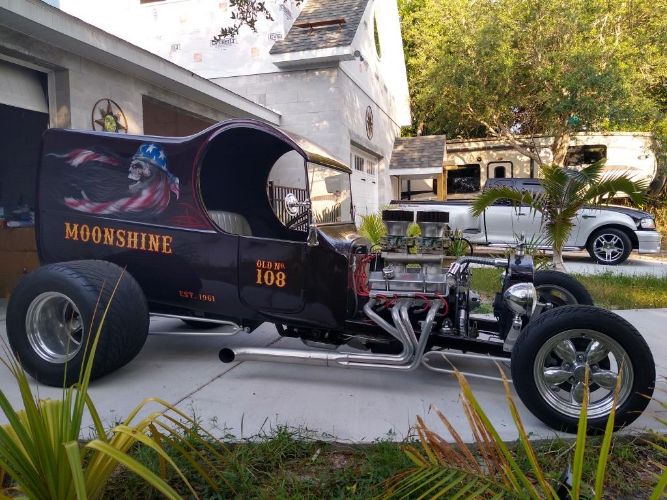
1923 Ford T Bucket
 Dealer
United States
Dealer
United States
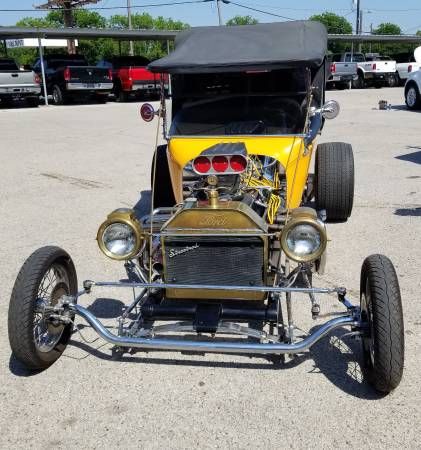
1923 Ford C Cab
 Dealer
United States
Dealer
United States
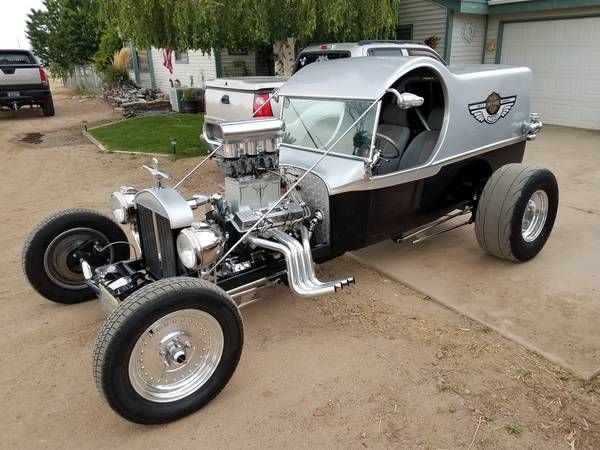
1923 Ford T Bucket
 Dealer
United States
Dealer
United States
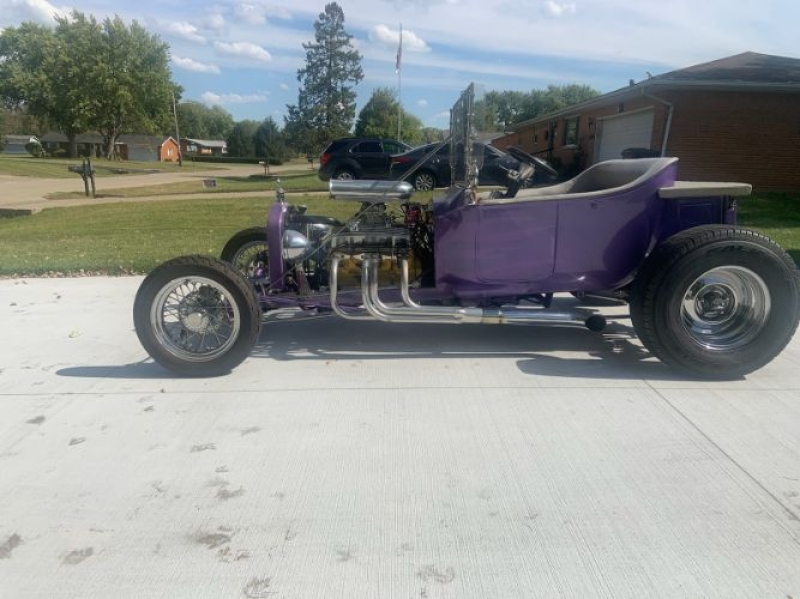
1923 Ford Model T
 Dealer
United States
Dealer
United States
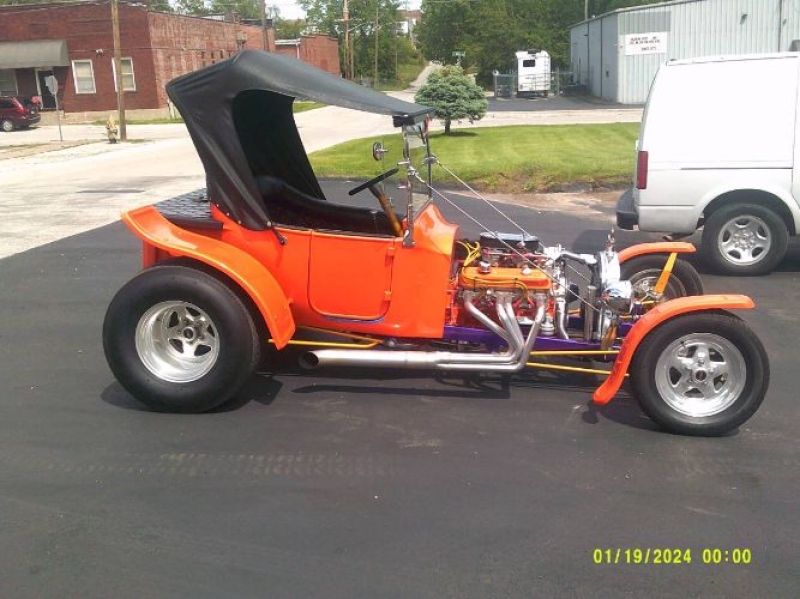
1923 Ford T Bucket
 Dealer
United States
Dealer
United States
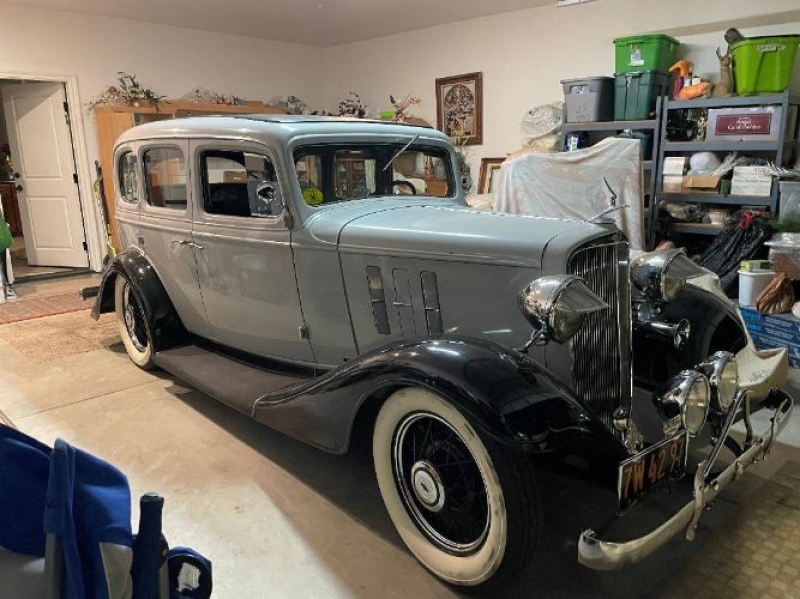
1923 Ford T Bucket
 Dealer
United States
Dealer
United States
1923 Chevrolet Master
Market: Well-documented 1923 cars with known coachbuilder provenance trade from roughly $45,000 for a presentable Packard Six up to $300,000 or more for a Lincoln Model L with confirmed Judkins or LeBaron coachwork. Closed body, original drivetrain, and a clear ownership chain from the 1920s move prices decisively upward.
Buyer's note: Confirm the firewall stampings and body tag match the manufacturer's records, as this era saw frequent body swaps during the 1930s and 1940s when parts were cheap and fashions changed.