
1951 Chevrolet 3100
$54,997
Vehicle Details
Chevrolet
3100
1951
3,470 miles
8JPD9152
Pickup Truck
Manual
GM ZZ-3 crate
Description
1951 Chevrolet 3100 Pickup — Professional Restomod Build with GM ZZ-3 Crate Engine Why This Car Is Special The 1951 Chevrolet 3100 pickup sits at the center of what collectors and builders have chased for decades. Chevrolet introduced the redesigned Advance-Design truck series in 1947, and by 1951 it had matured into one of the most produced and widely recognized light-duty trucks in American history. The 3100 designation identified the half-ton variant, and it outsold nearly everything else in its class throughout that era.
The cab-over-hood styling, the five-bar horizontal chrome grille, and the wide, rounded fenders gave these trucks a presence that holds up more than seventy years later. What you have here is not a trailer queen or a parts-swapped weekend project. This is a documented professional restomod with over $85,000 invested in the build, executed by a professional restoration shop from the ground up.
Every major system has been replaced or upgraded, and the choices made throughout this build reflect the kind of judgment that comes from building trucks to be driven, not just displayed. Features List GM ZZ-3 small block crate engine Stainless headers with 2.5-inch mandrel-bent dual exhaust Chrome air cleaner Aluminum radiator Mustang II power rack-and-pinion steering 12-bolt rear end sourced from a late-model Chevelle LOKAR floor shifter American AutoWire complete wiring harness Classic Instruments gauge cluster LED dash indicator lights HID headlights LED tail lights Rain gear wiper system Dynomat sound deadening throughout Resto Sound stereo system Full custom vinyl interior by M&M Interiors Tan and black two-tone interior treatment All new tinted glass All new stainless trim All stainless hex-head fasteners throughout Steel smoothie wheels LMC bed kit LMC tailgate and rear filler panel LMC let-down spare tire kit LMC relocated gas tank and relocation kit Chrome grille Chrome front and rear bumpers Matte blue exterior finish Low miles since completion of build Mechanical The engine in this 1951 Chevrolet 3100 is a GM ZZ-3 small block crate engine, which is a factory-assembled 350 cubic inch unit that GM Performance Parts built to deliver reliable, street-ready power with a hydraulic roller camshaft and a carbureted induction setup. It produces around 345 horsepower in stock form and is designed to drop into classic GM vehicles without the fabrication headaches that come with aftermarket alternatives.
The ZZ-3 was a popular and proven choice for restomod builds precisely because it carries factory warranty support when new and is easy to service anywhere in the country. Here it breathes through stainless headers that feed into a 2.5-inch mandrel-bent dual exhaust system, which preserves flow throughout the bends rather than crimping the pipe like a conventional press-bent setup would. The chrome air cleaner tops the carb cleanly, and the aluminum radiator handles cooling more efficiently than the original copper-brass unit ever could.
The drivetrain upgrades go well beyond the engine. The rear axle is a 12-bolt unit pulled from a late-model Chevelle, which is a significant upgrade over the original 3100 rear end. The GM 12-bolt was introduced in 1965 and quickly became the preferred axle for performance and restomod applications because of its strength, its wide selection of available gear ratios, and its compatibility with modern brake components.
Steering has been converted to a Mustang II power rack-and-pinion setup, which is the industry-standard suspension and steering upgrade for trucks of this era. The Mustang II front clip is used extensively in the custom truck world because it dramatically improves turning radius, reduces steering effort, and brings the front suspension geometry into a range that works well with modern tires. The entire electrical system has been replaced with an American AutoWire harness, which eliminates the risk and frustration of aging factory wiring while providing a clea
Classic Chevrolet 3100 Buyer's Guide
Chevrolet 3100 Market Overview
Based on 96 Chevrolet 3100 listings currently on ClassicCarsArena.com
Classic Chevrolet 3100 Buyer's Guide
The Chevrolet 3100 is the half-ton workhorse of the postwar Advanced Design truck series — and it is arguably the most beautiful American pickup truck ever built. The rounded cab, the wide horizontal grille, and the honest proportions of the 1947–1955 generation have made these trucks the darlings of the custom and restomod world for decades. A clean original 3100 is harder to find every year, and prices are moving to match.
What to Check Before Buying
Common Issues
What to Look For
Price Guide
Did You Know?
1951 Chevrolet 3100
Contact Seller
Listed by dealer
Nationwide consignment dealer
WeBe Autos lists vehicles from sellers across multiple states. The vehicle may not be at the dealer's address shown. Contact the dealer to confirm the vehicle's actual location before traveling.
Buying safely?
Read our scam-avoidance tips before paying →
Listing Actions
Browse by Era
1950s Classics for SaleAll 1951 Classics
Browse all 1951 Cars for SaleGet classic car alerts
Latest arrivals, newest deals, and discount coupons — straight to your inbox.
Selling your classic car?
Reach millions of classic car enthusiasts on the largest US classics marketplace.
Sell Your Car →Similar Listings
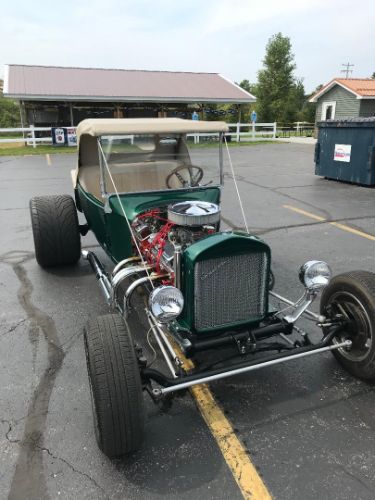 Dealer
 United States
1918 Chevrolet 100
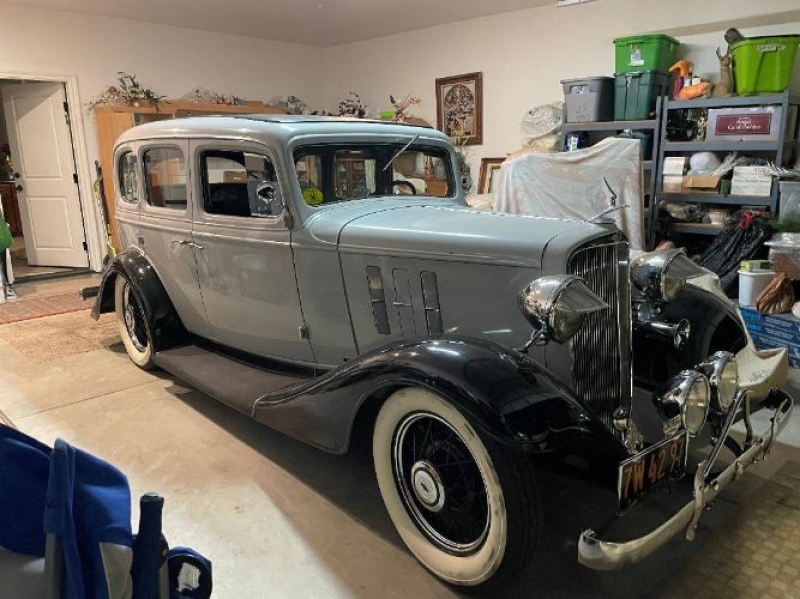 Dealer
United States
Dealer
United States
1923 Chevrolet Master
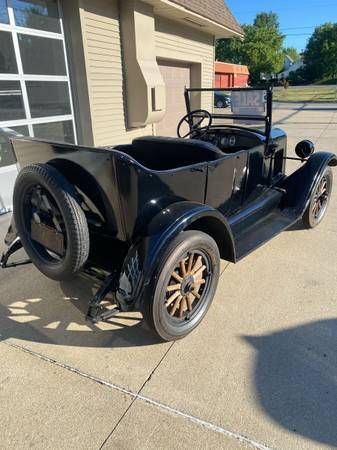 Dealer
United States
Dealer
United States
1925 Chevrolet Superior K
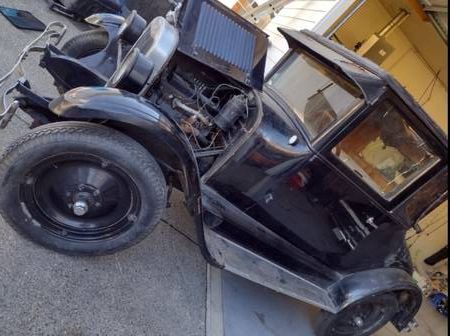 Dealer
United States
Dealer
United States
1926 Chevrolet 100
Contact Seller
Call this seller?
You're about to call WeBe Autos about the 1951 Chevrolet 3100.
+1 (631) 339-0399
Report this Ad
Help us keep the marketplace clean. Our moderation team reviews every report within 24 hours.