
Classic Chevrolet 3100 Buyer's Guide
Complete buyer's guide for the Chevrolet 3100 Advanced Design pickup (1947–1955). Generation details, rust and body inspection, engine identification, and current market values for original and restomod trucks.

The Chevrolet 3100 is the half-ton workhorse of the postwar Advanced Design truck series — and it is arguably the most beautiful American pickup truck ever built. The rounded cab, the wide horizontal grille, and the honest proportions of the 1947–1955 generation have made these trucks the darlings of the custom and restomod world for decades. A clean original 3100 is harder to find every year, and prices are moving to match.
History & Generations
Advanced Design Era (1947–1955)
The "3100" designation identified Chevrolet's half-ton pickup within the Advanced Design truck series introduced for 1947. The 1947–1955 generation replaced the prewar AK-series trucks and represented a dramatic leap forward in design and engineering — a wider cab, better visibility, a synchromesh transmission, and styling that felt genuinely modern in 1947.
Within the nine-year run, two sub-generations matter to buyers. The 1947–1953 trucks used the original rounded dash and instrument cluster; the 1954–1955 "First Series" trucks received a revised interior, larger rear window, and cosmetic updates. The 3100 half-ton designation continued into the Task Force era (1955 second series through 1957) and as the Apache 3100 (1958 to 1959).
What to Inspect
3100 trucks rust in very specific places. The cab corners — both lower front and rear — rot from the outside in and are the most visible rust indicator. The running boards and their attachment points rot from water pooling. Floor pans rust through from both above and below. The most critical area is the cab mount — where the body attaches to the frame — which can rot invisibly until the cab shifts on the frame under load.
| Engine | Years | Notes |
|---|---|---|
| Stovebolt 216 I6 | 1947–1953 | Original. 92 hp. Bulletproof but slow. |
| Stovebolt 235 I6 | 1953–1955 | Improved. 112 hp. Same basic architecture. |
| Small-block 350 V8 (swap) | — | Most common upgrade. Strong parts supply. |
| LS-series V8 (swap) | — | Modern performance builds. Commands restomod premium. |
"The ones that turn out right start with a solid cab — not perfect, but solid. The lower corners can be patched, the floor can be replaced, the running boards can be fabricated. But if the cab mounts are eaten through or the firewall is bent from a crash, you're fighting a losing battle. Start with structure. The engine choice is the easy decision."
— Robert Halloran
Restomod vs. Original
The 3100 market is cleanly split between original-preservation buyers and the restomod/custom crowd. Original trucks with the Stovebolt inline-six, correct interior, and factory paint are increasingly rare and command significant premiums. The restomod market — LS-swapped, air-ride, modern interior — is actually the larger and more active buyer pool, but resale value depends heavily on builder reputation and execution quality.
Market Outlook
The Chevrolet 3100 has been one of the hottest segments in the classic truck market for fifteen years. Original driver-quality trucks: $28,000–$48,000. Concours-original trucks with documented history: $55,000–$80,000. Professional LS-swapped restomod builds: $65,000–$120,000. Show-quality pro-tour builds from top builders: $150,000+. Project trucks (complete but rough) are $12,000–$22,000 — restoration economics suggest $40,000–$70,000 to make them right. Buy finished or buy a solid original, not a project.
Browse Chevrolet 3100 listings
 Dealer
 United States
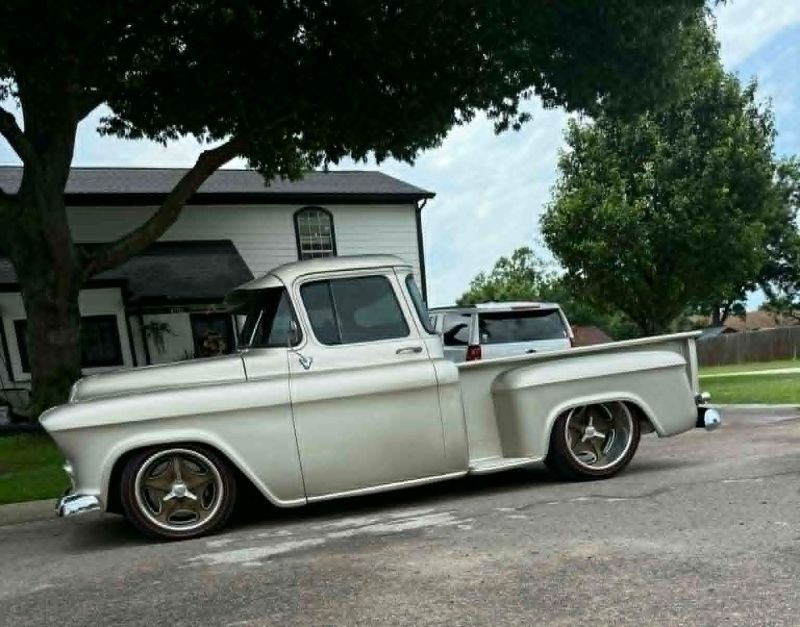
1956 Chevrolet 3100
 Dealer
United States
Dealer
United States
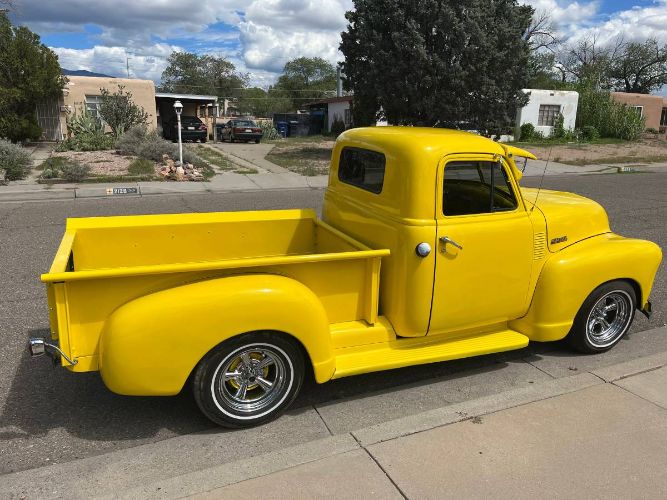
1951 Chevrolet 3100
What to Look For
Structure first: cab mounts, floor pans, and cab corners. A truck with solid cab mounts, patchable floor pans, and manageable corner rust is a viable project. A truck with rotten cab mounts or a compromised firewall is a parts car.Engine identity second. Original Stovebolt engines command a premium in the original-collector market.
Body panel condition third. The 3100 uses unique body pressings that are reproduction-available but expensive. Damaged rear fenders, doors, and front fenders add $3,000–$8,000 per panel to the restoration budget.
Pre-Purchase Checklist
-
Inspect cab corners with flashlight and magnet
Rust and filler in the lower cab corners is nearly universal. Magnet test determines filler depth. -
Check cab mount points
Where cab bolts to frame. Rust-through here causes the cab to shift. Non-negotiable inspection point. -
Pull running boards and check attachment flanges
Running board flanges rot from water pooling. Plan to replace or fabricate. -
Inspect floor pans from inside and underneath
Remove all interior floor material. Replacement pans are available but installation is labor-intensive. -
Check firewall for stampings and damage
Original firewall has VIN stampings. A replaced firewall indicates major accident or crash damage. -
Identify and verify engine
Original 216 or 235 Stovebolt, or a swap? Verify casting numbers. Know what you're buying before negotiating. -
Test brakes
Hydraulic drum brakes all around. Pedal should be firm. Fade or pull indicates drum service needed. -
Check three-speed manual or replacement gearbox
Original trucks came with a three-speed manual. Many have been converted. Test shift quality. -
Examine glass and rubber seals
Windshield seals leak with age. Water intrusion behind the dash rots firewall and floor. -
Document with photos before purchase
Every panel, all corners, engine bay, firewall stampings, undercarriage.
Common Issues
Rust is the defining issue on all 3100 trucks. Lower cab corners are the first and most visible rust area. The running boards and flanges rust from water pooling. Floor pans rot from both above and below.The cab mount area — where the body bolts to the frame — is the most serious structural rust zone. Rust here is hidden from casual inspection and can be severe without obvious external evidence.
Mechanically, the Stovebolt inline-six is among the most durable engines ever fitted to an American vehicle. The main mechanical issue on original trucks is brake system deterioration — wheel cylinders and master cylinder need attention on any truck that has sat.
More 3100 for sale
 Dealer
United States
Dealer
United States
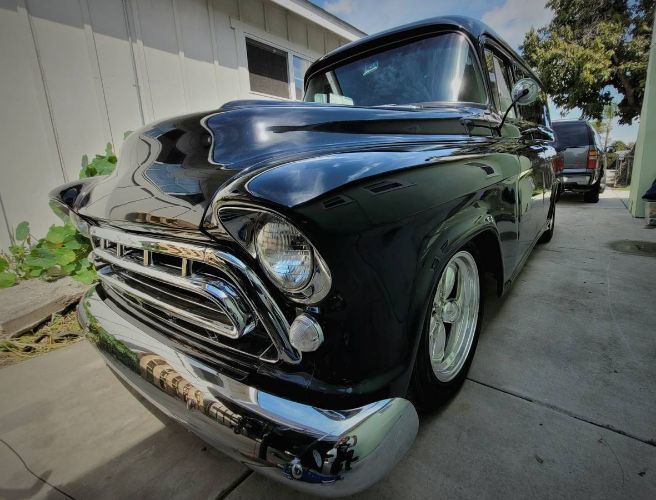
1957 Chevrolet 3100
 Dealer
United States
Dealer
United States
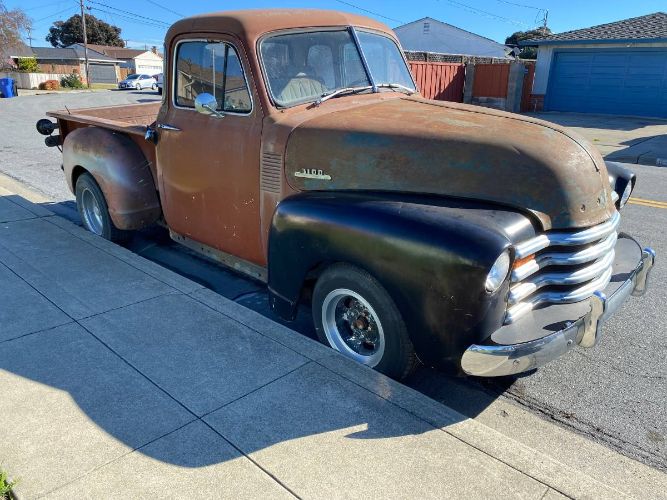
1953 Chevrolet 3100
Pricing Guide
Clean original driver with Stovebolt engine: $28,000–$48,000. Concours-original with correct colour and documentation: $55,000–$80,000.Professional LS or 350 restomod with quality paint, suspension, and interior: $65,000–$120,000. Show-quality pro-tour from established builders: $120,000–$200,000.
Project trucks (complete, running, rough): $12,000–$22,000. Add $40,000–$70,000 for quality rebuild, putting most projects above equivalent finished trucks.
Fun Facts
The "Stovebolt" nickname for Chevrolet's inline-six came from the slotted bolts used in the engine's construction — the same type found in cast-iron stoves of the era.The Advanced Design trucks were produced concurrently with the first Ferrari road cars and the original Volkswagen Beetle. In 1947 the Chevrolet 3100 was state-of-the-art American transportation.
Frequently Asked Questions
Ready to find your 3100?
Browse 6+ active Chevrolet 3100 listings on Classic Cars Arena.
View Listings →