
1964 Chevrolet Corvair
$18,997
Vehicle Details
Chevrolet
Corvair
1964
51,283 miles
40967W236837
Convertible
Automatic
164ci Turbo-Air flat-6 engine
Description
1964 Chevrolet Corvair Monza Convertible — White over Blue with Powerglide Why This Car Is Special The 1964 Chevrolet Corvair Monza Convertible represents the high point of the first-generation Corvair's development and, in many ways, the most complete version of what Ed Cole and his team at Chevrolet originally set out to build. By 1964, Chevrolet engineers had addressed the handling characteristics that would later make headlines in Ralph Nader's 1965 book. That year's most significant mechanical update was a redesigned rear suspension featuring a transverse leaf spring that replaced the earlier swing-axle setup, giving the 1964 Corvair Monza a more neutral and predictable handling balance before the fully independent rear suspension arrived on the second-generation car in 1965.
In other words, if you wanted the cleanest version of the first-generation body with genuinely improved chassis dynamics, 1964 is the year to buy. The Corvair was unlike anything else Detroit produced. It used a rear-mounted, air-cooled flat-six engine, a rear transaxle, and full four-wheel independent suspension at a time when most American compacts still relied on solid rear axles and conventional front-engine layouts.
Chevrolet drew more inspiration from European engineering philosophy than from the rest of its own lineup, and the result was a car that handled, felt, and drove differently from any other American vehicle of the era. The Monza trim package, introduced in 1960, transformed the Corvair from an economy car into something more desirable — bucket seats, console, upgraded interior, and chrome detailing that set it apart from the base 500 series. The VIN on this car decodes to confirm it was built at the Willow Run, Michigan assembly plant, which was one of the primary Corvair production facilities during this era.
The body style code confirms the open convertible body. This is a genuine Monza Convertible, not an upgraded base car. Features List 164 cubic inch Turbo-Air air-cooled flat-six engine Dual carburetors Forced-air cooling with centrifugal blower 2-speed Powerglide automatic transaxle Dash-mounted transmission shift lever Rear-engine, rear-wheel-drive layout Quadri-Flex four-wheel independent suspension Transverse rear leaf spring (1964 handling update) Power-operated white vinyl soft top Blue leather interior Brushed aluminum dash inserts Center console (standard on Monza) AM push-button radio Heater and defroster Chrome rocker panel moldings Quad headlights with aluminum bezels 13-inch wheels with Monza-specific wheel covers Chrome front and rear bumpers Self-adjusting Safety Master brakes White exterior Mechanical Power comes from the 164 cubic inch Turbo-Air horizontally opposed six-cylinder engine, fed by dual carburetors.
This is the base Monza state of tune for 1964, rated at 95 horsepower. The engine is air-cooled, which means there is no radiator, no coolant, and no water pump. Instead, a belt-driven centrifugal blower forces air through the finned cylinders and heads, a system borrowed conceptually from aircraft and Volkswagen practice but executed on a larger scale.
The flat-six sits entirely behind the rear axle centerline, a configuration that gives the 1964 Corvair Monza Convertible its distinctive weight distribution and the open front trunk that Corvair owners used for luggage storage. The 2-speed Powerglide automatic transaxle is integrated with the engine at the rear of the car, and the shift lever mounts in the dash rather than on the floor — a layout that was standard practice on early Corvairs. It is an unusual arrangement by today's standards and one of the details that makes this car genuinely interesting to drive and explain.
The transverse rear leaf spring introduced for 1964 replaced the earlier three-piece swing axle setup and substantially improved rear camber control under cornering loads. This was a meaningful engineering improvement, not a minor revision. Combined with the Quadri-Fl
Classic Chevrolet Corvair Buyer's Guide
Chevrolet Corvair Market Overview
Based on 48 Chevrolet Corvair listings currently on ClassicCarsArena.com
Classic Chevrolet Corvair Buyer's Guide
The Chevrolet Corvair was the most technically adventurous American car of the 1960s and the most politically controversial. Air-cooled, rear-engined, and available with a turbocharged engine two full decades before turbos became mainstream, the Corvair offered genuine European sports car character at Chevrolet prices. Ralph Nader painted it as dangerous; independent government testing largely exonerated the design. Today the Corvair is a legitimate collector car with a devoted community, excellent club support through CORSA, and one of the most engaging driving experiences in the classic American market — but its unique air-cooled engineering demands a buyer who knows what to inspect.
What to Check Before Buying
Common Issues
What to Look For
Price Guide
Did You Know?
1964 Chevrolet Corvair
Contact Seller
Listed by dealer
Nationwide consignment dealer
WeBe Autos lists vehicles from sellers across multiple states. The vehicle may not be at the dealer's address shown. Contact the dealer to confirm the vehicle's actual location before traveling.
Buying safely?
Read our scam-avoidance tips before paying →
Listing Actions
Browse by Era
1960s Classics for SaleAll 1964 Classics
Browse all 1964 Cars for SaleGet classic car alerts
Latest arrivals, newest deals, and discount coupons — straight to your inbox.
Selling your classic car?
Reach millions of classic car enthusiasts on the largest US classics marketplace.
Sell Your Car →Similar Listings
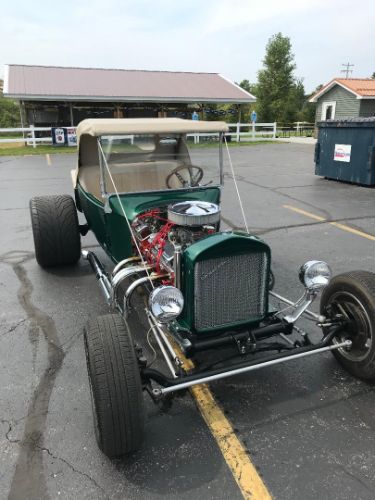 Dealer
 United States
1918 Chevrolet 100
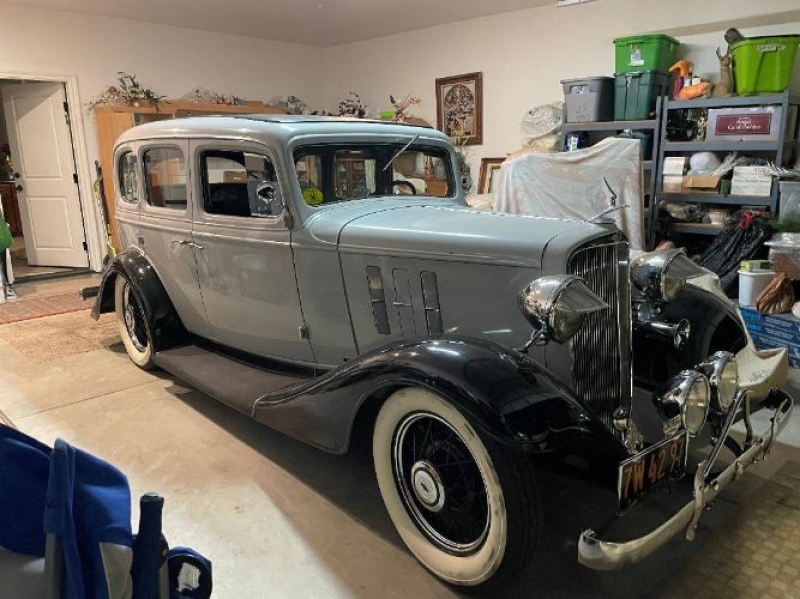 Dealer
United States
Dealer
United States
1923 Chevrolet Master
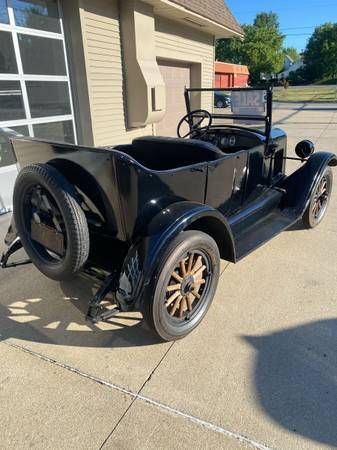 Dealer
United States
Dealer
United States
1925 Chevrolet Superior K
 Dealer
United States
Dealer
United States
1926 Chevrolet 100
Contact Seller
Call this seller?
You're about to call WeBe Autos about the 1964 Chevrolet Corvair.
+1 (631) 339-0399
Report this Ad
Help us keep the marketplace clean. Our moderation team reviews every report within 24 hours.