
The Complete Chevrolet Corvair Evolution: 1960–1969

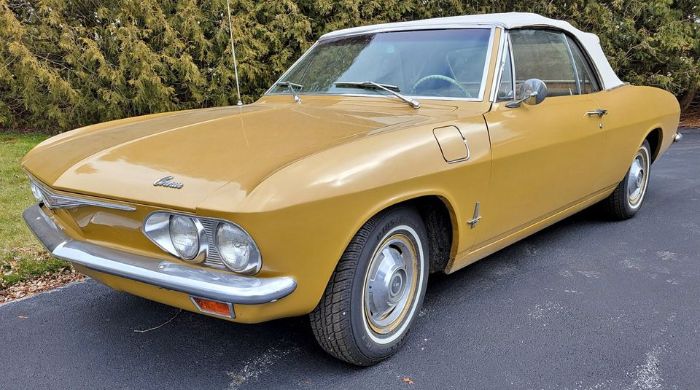
The Corvair is the most unconventional car Detroit built in the postwar era, and it deserves to be understood on its engineering rather than its reputation. Chevrolet put a rear-mounted, air-cooled flat-six in a unibody compact, a layout closer to a Porsche or a Volkswagen than anything else from the Big Three, and then offered it in coupe, sedan, convertible, van, and even pickup form. The early cars had a genuine handling quirk in their swing-axle rear suspension, which a famous book turned into a scandal, and the 1965 redesign engineered that problem away with a sophisticated independent rear end. The Corvair is a fascinating, affordable classic, and the thing that decides any purchase is condition and the state of the air-cooled engine's seals.
Chevrolet Corvair — Generation by Generation
Key Changes
- → Rear-mounted air-cooled flat-six
- → Unibody construction
- → Sporty Monza coupe from 1960
- → Turbocharged Monza Spyder from 1962
- → Greenbrier van and Rampside pickup variants
Specs
| Engine | Air-cooled flat-six, 140–164 cu in |
| Rear suspension | Swing axle |
| Performance | Turbocharged Monza Spyder |
| Variants | Coupe, sedan, convertible, van, pickup |
 Dealer
 United States
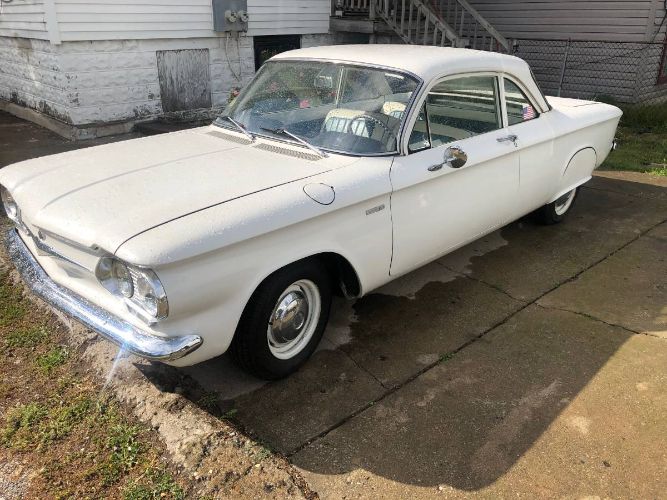
1961 Chevrolet Corvair
United States
1961 Chevrolet Corvair
 Dealer
United States
Dealer
United States
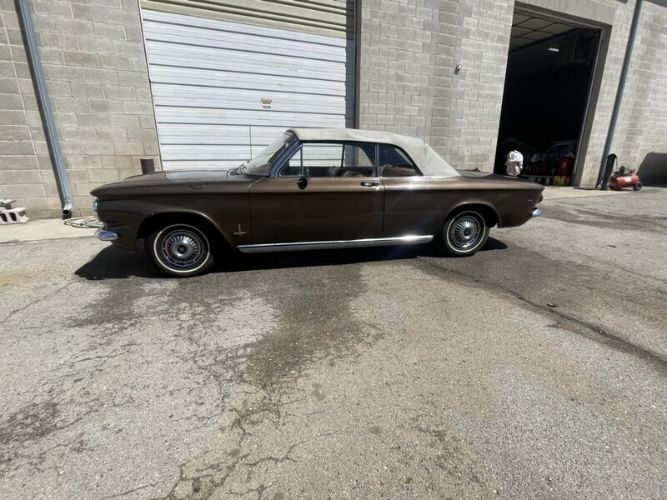
1963 Chevrolet Corvair
Key Changes
- → Fully independent rear suspension
- → Clean new body styling
- → Corsa performance model with 180 hp turbo
- → Coupe, sedan, and convertible body styles
- → Production ends 1969
Specs
| Engine | Air-cooled flat-six, 164 cu in |
| Rear suspension | Fully independent |
| Top model | 180 hp turbo Corsa |
| Most wanted | Corsa turbo |
 Dealer
United States
Dealer
United States
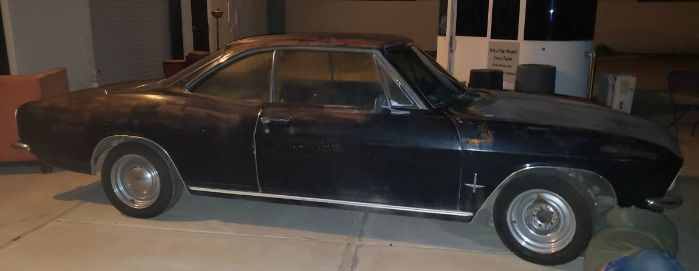
1966 Chevrolet Corvair
 Dealer
United States
Dealer
United States
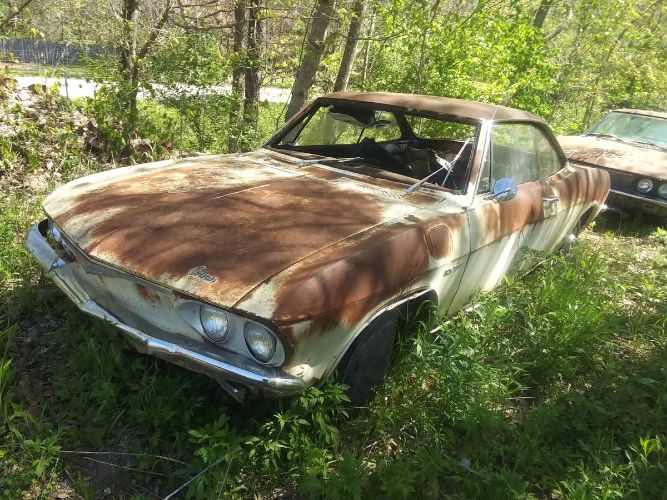
1965 Chevrolet Corvair
 Dealer
United States
Dealer
United States
1965 Chevrolet Corvair
Legacy & Impact
For a buyer, the split is clear. The 1960 to 1964 cars carry the history, including the turbocharged Monza Spyder, but their swing-axle rear suspension demands correct tire pressures and a sympathetic driver. The 1965 to 1969 cars are the ones to seek for handling and styling, with a fully independent rear end and a shape that still looks modern, and the turbocharged Corsa is the performance pick. On every Corvair, the air-cooled flat-six leaks oil from its many seals as a matter of course, so budget for that, and check the floors and rockers for the rust these unibodies hide. Bought with open eyes, a Corvair is one of the most interesting classics for the money.
Frequently Asked Questions
Find a Corvair for Sale
Browse active Chevrolet Corvair listings on Classic Cars Arena.
View Listings →