Elite Dealer

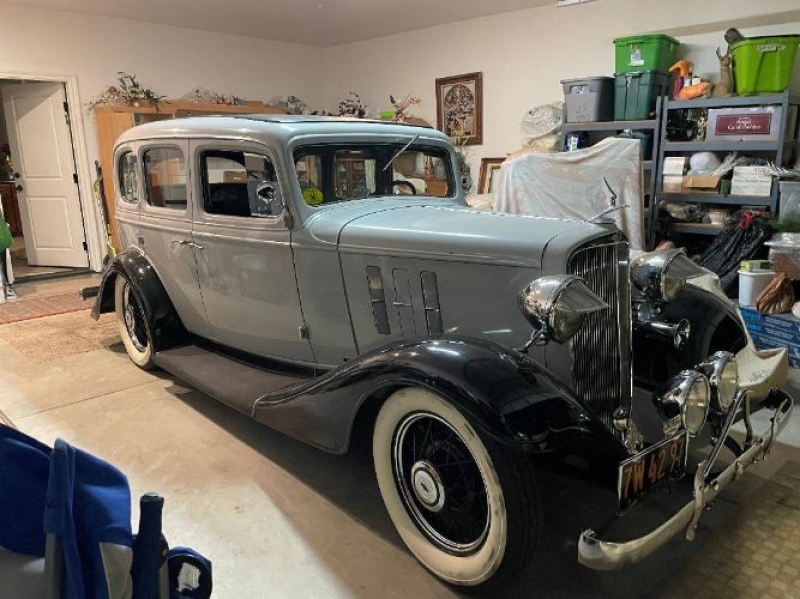
1936 Chevrolet Master Deluxe

Indiana

$12,500

1936 Chevrolet Master Deluxe

Vehicle Details

Make

Chevrolet

Model

Master Deluxe

Year

1936

Body Type

Sedan

Drivetrain

RWD

Fuel Type

Gasoline

Engine

350 with new carb and intake

Condition

Good

Description

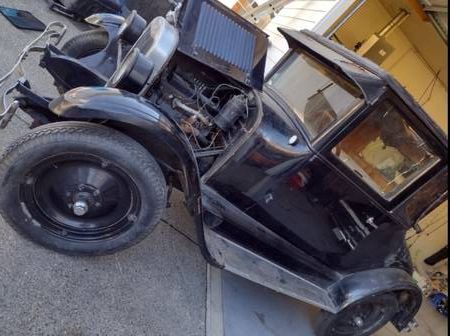
This 1936 Chevrolet Master Deluxe sedan has been thoughtfully resurrected with a modern foundation. Southern-born and rust-free, the body remains solid and straight, providing an honest platform for this classic. The frame has been upgraded to an S10 donor, offering improved geometry and reliability compared to the original.

Under the hood sits a 350 cubic inch V8 paired with a fresh carburetor and intake manifold, ready to fire reliably. The two-door configuration preserves the original sedan character while keeping weight minimal. With no rot to address and a running engine, this Master Deluxe is positioned well for a driver who appreciates a genuine piece of Depression-era Chevy history with modern mechanical sense.

The combination of solid bones and straightforward upgrades makes this a practical foundation for whatever vision you have in mind.

Chevrolet Master Deluxe Buyer's Guide (1933–1942)

Full guide
M
Mike Sullivan
Muscle Cars
1933–1942
~4 min read
Updated Apr 2026
The Master Deluxe was Chevrolet's bread-and-butter premium car through the Depression and into the war years — tough, practical, and built in huge numbers. The 1937 "turret top" body is the styling high point. These are honest prewar American cars with parts that are still findable and an engine that hot rodders have loved for decades.
This guide covers
✓ 11-point inspection checklist
✓ Common issues & what to avoid
✓ In-person inspection guide
✓ Market pricing by year & condition
✓ 5 FAQs answered
✓ History & fun facts

Chevrolet Master Market Overview

Based on 68 Chevrolet Master listings currently on ClassicCarsArena.com

68
Listed Now
$34,812
Avg. Asking Price
1923–1946
Year Range
Price Position on Our Site — Below Average
This car: $12,500
Low: $5,195 High: $89,995
Transmission Distribution
Automatic 40%
Manual 25%
Condition Distribution
Excellent 12%
Good 10% ◄
Fair 4%
Poor 1%
Data from ClassicCarsArena.com listings Browse all 68 listings →
💰

What is this car worth?

Check sold prices for the 1936 Chevrolet Master Deluxe

Valuation Tool →

Chevrolet Master Deluxe Buyer's Guide (1933–1942)

The Master Deluxe doesn't get the same glory as a prewar Ford, but I think it's been undervalued for a long time. You get a real steel turret top (from 1935 onward), a solid inline six, and the kind of Depression-era build quality that meant Chevrolet had to last because nobody could afford to replace it. The hot rod community has always known what's here — the 216 Stovebolt takes a three-deuce intake, a Fenton header, and a healthy cam without complaint, and it looks period-correct doing it. Prices are still accessible compared to prewar Fords. That window won't stay open forever.

What to Check Before Buying

Cowl channel probe — Probe vent slots at windshield base — soft metal means structural repair
Floor pan condition — Lift carpet front and rear, check for rust-through or patch repairs
Trunk floor and spare well — Remove trunk mat, probe floor corners and spare tire well
Fabric roof (1933–1934) — Inspect roof fabric and underlying bow structure for rot on early cars
Running board mounts — Check mounting points at lower body for rust and structural integrity
Rear quarter lower sections — Inspect inside trunk at lower rear corners for water damage
Engine number verification — Confirm engine/trans numbers are correct to car if numbers-matching matters
Cold start and idle — Start from cold, verify steady idle, listen for valve noise or bearing knock
Rear main seal — Check under engine for oil seepage at rear main seal area
Trim completeness — Inventory all trim pieces — prewar chrome is difficult and expensive to source
Modification quality (if applicable) — Inspect hot rod modifications for workmanship — brake and steering work especially

Common Issues

Cowl channel rust is universal on unrestored examples. Floor pan deterioration follows from the same water intrusion pattern. Fabric roof panels on 1933–1934 cars are a separate restoration category — the fabric rots and the underlying bow structure often corrodes independently. Lower rear quarters and trunk corners are rust-prone on all years. The 6-volt electrical system requires correct grounds; positive-ground architecture confuses owners accustomed to modern vehicles. The 216 engine is generally reliable but rear main seal seepage is common on high-mileage examples. Original trim pieces for pre-1940 cars are significantly harder to source than postwar Chevrolet parts — incomplete cars carry a hidden restoration cost. Many examples have been modified for hot rod use; verify any modifications for safety, particularly brake and steering work.

What to Look For

Cowl channel rust — probe the drainage channel at the windshield base before anything else. Floor pans under front and rear seats. Lower rear quarters and trunk floor corners. On 1933–1934 cars, inspect the fabric roof insert and underlying bow structure for deterioration. Running board mounting points and lower body behind front fenders where debris collects. Check spare tire well in trunk for rust. Verify engine and transmission numbers if provenance matters. On hot rod–configured examples, inspect all modifications for quality of workmanship — custom exhaust, intake, and electrical work are only as good as whoever installed them. Confirm all body trim is present and assess sourcing cost for missing 1930s-specific pieces.

Price Guide

Driver-quality sedans: $10,000–$18,000. Show quality: $25,000–$38,000. The 1937–1938 sport coupe in concours condition can exceed $40,000. The base Master (same chassis, lesser trim) trades 10–15% below equivalent Master Deluxe prices. Period-correct hot rod builds with quality work hold value well in the right market but price less predictably than stock cars. The 1942 model year cars are relatively rare due to short production run and command a modest premium among completeness-focused collectors.

Did You Know?

Chevrolet outsold Ford throughout most of the 1930s — the Master Deluxe was the primary driver of that sales leadership during the Depression. The 216 Stovebolt's cast-iron durability made it popular in early NASCAR racing before V8s dominated. The turret top all-steel roof construction Chevy adopted in 1935 was actually pioneered by Fisher Body — GM's body division — and was marketed heavily as a safety and weather-sealing improvement over fabric-insert roofs.

Similar Listings

Contact Seller

Share only if you'd like the seller to call you directly.

By contacting this seller you accept the Visitors Agreement

Call this seller?

You're about to call HaggleMe about the 1936 Chevrolet Master Deluxe.

+1 (844) 424-4538

Before you call: Never wire money or share bank info over the phone. Read our scam-avoidance tips.
Call Now

Send to a Friend

Share this 1936 Chevrolet Master Deluxe listing.

Report this Ad

Help us keep the marketplace clean. Our moderation team reviews every report within 24 hours.