
Chevrolet Master Deluxe Buyer's Guide (1933–1942)
The Master Deluxe was Chevrolet's bread-and-butter premium car through the Depression and into the war years — tough, practical, and built in huge numbers. The 1937 "turret top" body is the styling high point. These are honest prewar American cars with parts that are still findable and an engine that hot rodders have loved for decades.

The Master Deluxe doesn't get the same glory as a prewar Ford, but I think it's been undervalued for a long time. You get a real steel turret top (from 1935 onward), a solid inline six, and the kind of Depression-era build quality that meant Chevrolet had to last because nobody could afford to replace it. The hot rod community has always known what's here — the 216 Stovebolt takes a three-deuce intake, a Fenton header, and a healthy cam without complaint, and it looks period-correct doing it. Prices are still accessible compared to prewar Fords. That window won't stay open forever.
History & Generations
Chevrolet introduced the Master Deluxe nameplate for 1933 as the top trim of its "Eagle" series, differentiated from the base Master (also called just "Master") by additional interior trim and equipment. The relationship between the Master and Master Deluxe mirrors the later Deluxe/Special Deluxe pairing — same platform and drivetrain, premium trim on the top model.
1933–1934: Wire-Wheeled Early Cars
The first Master Deluxe cars wear the streamlined "Eagle" body with prominent wire wheels and a vee'd windshield. The engine was the 206 cubic inch Stovebolt OHV six producing 65 horsepower. These are the most visually distinctive of the generation and appeal strongly to prewar purists — but parts are less available than later models.
1935–1936: Turret Top Arrives
Chevrolet adopted all-steel "Turret Top" body construction in 1935, eliminating the fabric insert used in earlier roof panels. The 206 grew to 216.5 cubic inches with improved output. The 1936 models received a significant facelift with more streamlined hood and grille. This generation represents the transition from Depression-era to mid-decade styling.
1937–1938: The Styling Peak
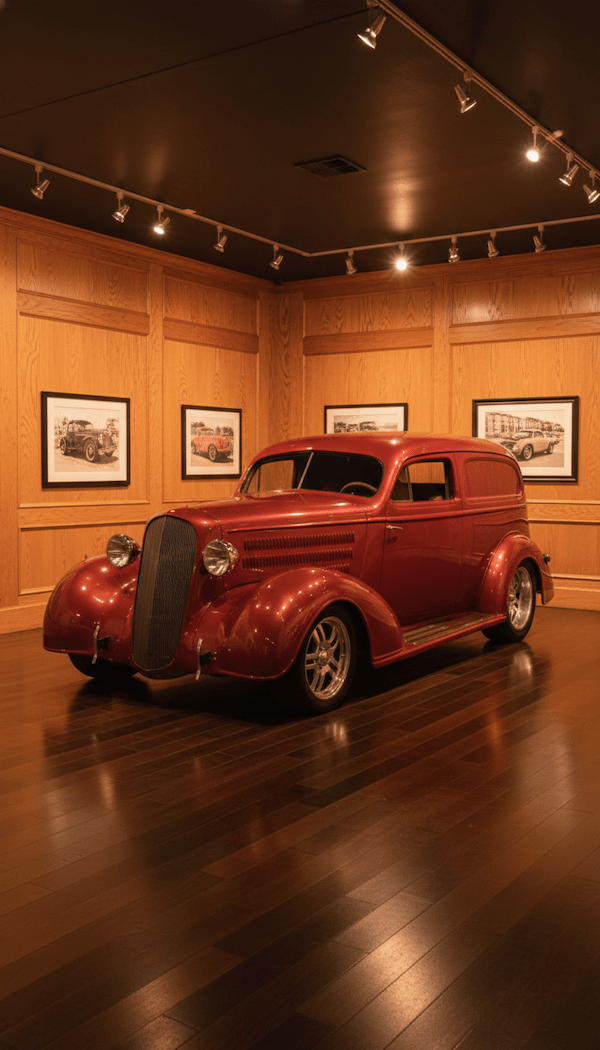
The 1937 Master Deluxe is widely considered the best-looking of the run — fully streamlined, flowing fenders, a balanced grille that aged far better than contemporary designs. The 216 Stovebolt now made 85 horsepower. The 1938 cars are nearly identical with minor trim revisions. These years attract the most collector interest and command the highest prices in the segment.
1939–1942: Final Evolution
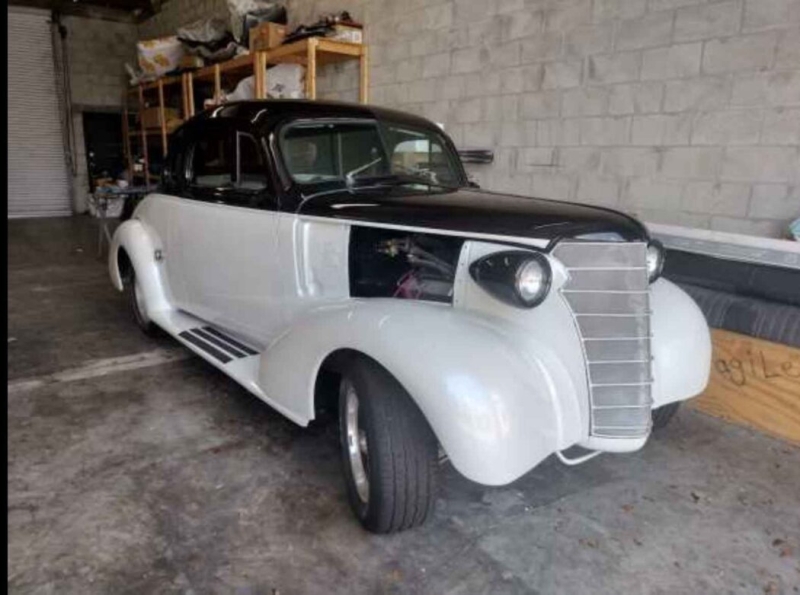
Later Master Deluxe cars adopted more upright styling and grew in size. The 1940 received a major restyle, and production continued through early 1942 when civilian manufacturing halted for WWII. The 1942 model year cars are relatively rare since production was cut short — complete, unmodified examples carry a premium.
The Stovebolt as Hot Rod Platform
The 216 cubic inch overhead-valve six made between 80 and 90 horsepower in stock form — adequate for a car of its era. But the block's architecture accepts performance modifications that were available period-correct: a Thickstun or Edmunds triple-carb intake manifold, a Fenton cast-iron header, and a hotter camshaft will push output past 120 horsepower while keeping the engine visually appropriate for the car. This makes the Master Deluxe popular with traditional hot rodders who want a prewar car that moves without resorting to a V8 transplant.
Inspection Priorities
The inspection logic is similar to other prewar Chevrolets: start at the cowl, move to the floors, check the lower rear quarters. On 1933–1934 cars add the fabric roof insert and its underlying bows to your checklist. On all years, check the running board mounts and lower body sills where water collects behind the front fenders.
Trunk floors on prewar cars deteriorate from water intrusion through the trunk lid seal — lift the mat and probe carefully. The spare tire well is a secondary rust zone that is frequently ignored and then discovered mid-restoration.
| Year Range | Engine | Key Change |
|---|---|---|
| 1933–1934 | 206 ci six, 65 hp | Wire wheels, fabric roof insert |
| 1935–1936 | 216 ci six, 80 hp | All-steel Turret Top body |
| 1937–1938 | 216 ci six, 85 hp | Peak streamlined styling |
| 1939–1942 | 216 ci six, 85–90 hp | Larger body, updated styling |
"People sleep on these cars because they're chasing prewar Fords. That's fine with me — it keeps prices reasonable. But a clean 1937 Master Deluxe is a better-looking car than most people admit, and the Stovebolt six will run forever with basic maintenance. The hot rod crowd figured this out decades ago. The mainstream collector market is catching up slowly."
— Mike Sullivan
Pricing & Market
Driver-quality Master Deluxe sedans and coupes trade in the $10,000–$18,000 range. Show-quality examples reach $25,000–$38,000. The 1937–1938 models command the highest prices within the generation — a concours-quality 1937 sport coupe can exceed $40,000. The base Master (slug: master, trim inferior) trades 10–15% below equivalent Master Deluxe prices. Hot rod–built examples with period-correct modifications hold value well with the right buyer but require finding someone who appreciates the build rather than strictly original buyers.
Browse Chevrolet Master Deluxe listings
What to Look For
Cowl channel rust — probe the drainage channel at the windshield base before anything else. Floor pans under front and rear seats. Lower rear quarters and trunk floor corners. On 1933–1934 cars, inspect the fabric roof insert and underlying bow structure for deterioration. Running board mounting points and lower body behind front fenders where debris collects. Check spare tire well in trunk for rust. Verify engine and transmission numbers if provenance matters. On hot rod–configured examples, inspect all modifications for quality of workmanship — custom exhaust, intake, and electrical work are only as good as whoever installed them. Confirm all body trim is present and assess sourcing cost for missing 1930s-specific pieces.Pre-Purchase Checklist
-
Cowl channel probe
Probe vent slots at windshield base — soft metal means structural repair -
Floor pan condition
Lift carpet front and rear, check for rust-through or patch repairs -
Trunk floor and spare well
Remove trunk mat, probe floor corners and spare tire well -
Fabric roof (1933–1934)
Inspect roof fabric and underlying bow structure for rot on early cars -
Running board mounts
Check mounting points at lower body for rust and structural integrity -
Rear quarter lower sections
Inspect inside trunk at lower rear corners for water damage -
Engine number verification
Confirm engine/trans numbers are correct to car if numbers-matching matters -
Cold start and idle
Start from cold, verify steady idle, listen for valve noise or bearing knock -
Rear main seal
Check under engine for oil seepage at rear main seal area -
Trim completeness
Inventory all trim pieces — prewar chrome is difficult and expensive to source -
Modification quality (if applicable)
Inspect hot rod modifications for workmanship — brake and steering work especially
Common Issues
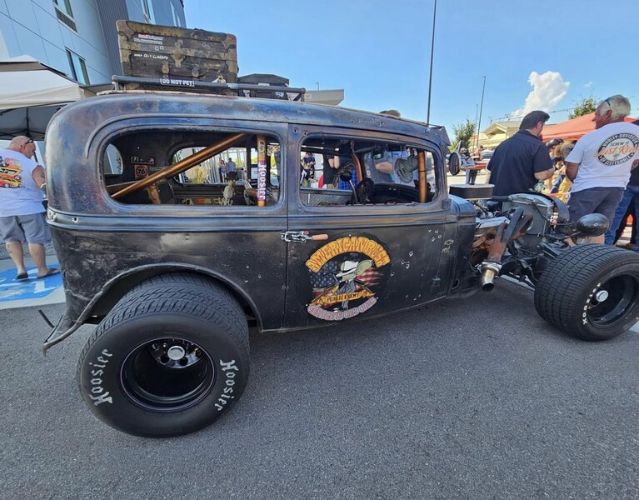
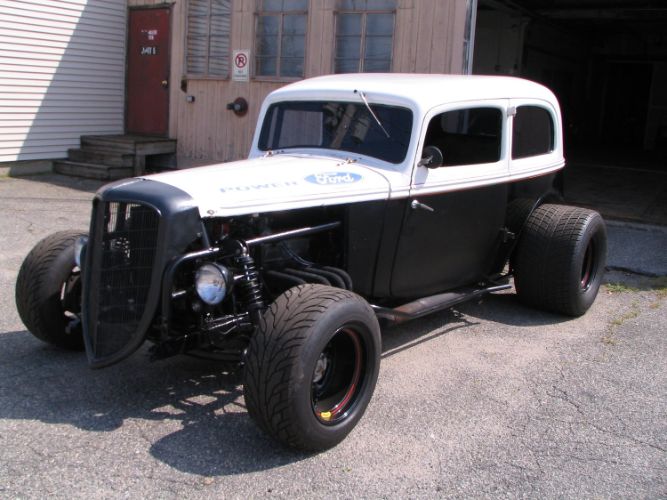
Cowl channel rust is universal on unrestored examples. Floor pan deterioration follows from the same water intrusion pattern. Fabric roof panels on 1933–1934 cars are a separate restoration category — the fabric rots and the underlying bow structure often corrodes independently. Lower rear quarters and trunk corners are rust-prone on all years. The 6-volt electrical system requires correct grounds; positive-ground architecture confuses owners accustomed to modern vehicles. The 216 engine is generally reliable but rear main seal seepage is common on high-mileage examples. Original trim pieces for pre-1940 cars are significantly harder to source than postwar Chevrolet parts — incomplete cars carry a hidden restoration cost. Many examples have been modified for hot rod use; verify any modifications for safety, particularly brake and steering work.More Master Deluxe for sale
 Dealer
 United States
1935 Chevrolet Master Deluxe
 Dealer
United States
Dealer
United States
1935 Chevrolet Master Deluxe
Pricing Guide
Driver-quality sedans: $10,000–$18,000. Show quality: $25,000–$38,000. The 1937–1938 sport coupe in concours condition can exceed $40,000. The base Master (same chassis, lesser trim) trades 10–15% below equivalent Master Deluxe prices. Period-correct hot rod builds with quality work hold value well in the right market but price less predictably than stock cars. The 1942 model year cars are relatively rare due to short production run and command a modest premium among completeness-focused collectors.Fun Facts
Chevrolet outsold Ford throughout most of the 1930s — the Master Deluxe was the primary driver of that sales leadership during the Depression. The 216 Stovebolt's cast-iron durability made it popular in early NASCAR racing before V8s dominated. The turret top all-steel roof construction Chevy adopted in 1935 was actually pioneered by Fisher Body — GM's body division — and was marketed heavily as a safety and weather-sealing improvement over fabric-insert roofs.Frequently Asked Questions
Ready to find your Master Deluxe?
Browse 6+ active Chevrolet Master Deluxe listings on Classic Cars Arena.
View Listings →