Elite Dealer

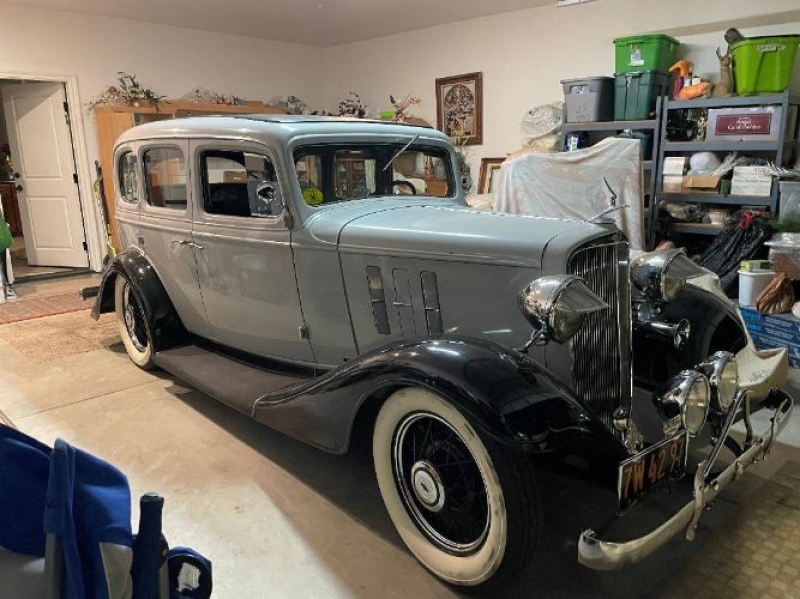
1939 Chevrolet Master

$45,995

1939 Chevrolet Master

Vehicle Details

Make

Chevrolet

Model

Master

Year

1939

VIN

AMS18600

Body Type

Other

Description

1939 Chevy 2 door sedan 327 engine,350 tranny, air condition, drives and hands good, car in excellent condition Please Note The Following **Vehicle Location is at our clients home and Not In Cadillac, Michigan. **We do have a showroom with about 25 cars that is by appointment only **Please Call First and talk to one of our reps at 231-468-2809 EXT 1 **

Chevrolet Master Buyer's Guide

Full guide
J
Jim Vasquez
Hot Rods
1933–1942
~3 min read
Updated Apr 2026
The Chevrolet Master was the larger, more powerful car in Chevrolet's pre-war lineup β€” a genuine full-size car with a six-cylinder engine that proved almost impossibly reliable and a body design that influenced American styling through the entire 1930s.
This guide covers
βœ“ 8-point inspection checklist
βœ“ Common issues & what to avoid
βœ“ In-person inspection guide
βœ“ Market pricing by year & condition
βœ“ 4 FAQs answered
βœ“ History & fun facts

Chevrolet Master Market Overview

Based on 68 Chevrolet Master listings currently on ClassicCarsArena.com

68
Listed Now
$34,812
Avg. Asking Price
1923–1946
Year Range
Price Position on Our Site β€” Average Range
This car: $45,995
Low: $5,195 High: $89,995
Transmission Distribution
Automatic 40%
Manual 25%
Condition Distribution
Excellent 12%
Good 10%
Fair 4%
Poor 1%
Data from ClassicCarsArena.com listings Browse all 68 listings →
πŸ’°

What is this car worth?

Check sold prices for the 1939 Chevrolet Master

Valuation Tool β†’

Chevrolet Master Buyer's Guide

Jim Vasquez here. People forget that Chevrolet was the best-selling car in America for most of the 1930s β€” not Ford, not Plymouth. The reason was the Master series. It was a bigger, more refined car than the Standard series, powered by the "Stovebolt Six" that became legendary for its longevity, and styled with a care that made Chevrolet buyers feel they were getting something above their price point.

The Master is the foundation of pre-war Chevrolet collecting. The later Master Deluxe got most of the attention, but the base Master that ran through the early part of the decade has a purity and honesty to it that later chrome-laden models lack. These are cars from before planned obsolescence, built to last because that's what buyers expected.

What to Check Before Buying

Wood Framework Condition β€” Check door and body alignment β€” misalignment often means underlying wood framing has rotted.
Door Skin Rust β€” Probe lower door skins carefully β€” rust hides behind the wood framing and spreads unseen.
Sill Area β€” Inspect sill and rocker areas for rust perforation β€” water collects here when seals fail.
Stovebolt Six Condition β€” Cold start and watch for blue smoke β€” valve seal wear causes oil consumption but is manageable.
Brake System β€” Identify whether cable or hydraulic brakes β€” hydraulic cars (1936+) are safer and easier to maintain.
Rumble Seat (if equipped) β€” Test rumble seat mechanism for smooth operation β€” rust at hinges and latch is common.
Glass Completeness β€” Check all glass β€” curved pre-war glass is difficult and expensive to source.
Hood Alignment β€” Verify hood aligns evenly β€” misalignment can indicate previous collision or wood framework movement.

Common Issues

Wood body framing rot in doors and roof structure β€” the most expensive pre-war repair when severe. Lower door skin rust behind the wood framing. Stovebolt Six oil consumption from worn valve stem seals β€” extremely common on unrestored engines. Hydraulic brake system deterioration on 1936–1942 cars. Rumble seat mechanism rust and failure on equipped coupes. Correct trim glass reproduction quality varies.

What to Look For

Inspect the wooden body elements β€” pre-war Chevrolet bodies used wood framing in the doors and roof structure that rots when water intrudes. Check door and body alignment carefully; misalignment often means the underlying wood framework has deteriorated. Probe lower door skins and the sill area for rust. Verify the Stovebolt Six starts reliably and doesn't smoke excessively. Check the hydraulic brake system (introduced 1936 β€” earlier cars have mechanical brakes). On coupe body styles, verify the rumble seat mechanism works smoothly if present.

Price Guide

1933–1935 Master sedan: $8,000–$18,000. 1936–1938 Master coupe: $12,000–$25,000. 1936–1938 Master sport coupe/rumble seat: $18,000–$35,000. 1939–1942 Master sedan: $10,000–$22,000. Cabriolet convertibles: add 30–50% premium. Custom/show builds: $20,000–$80,000+ depending on quality.

Did You Know?

Chevrolet was the best-selling car brand in America for most of the 1930s, and the Master series was the primary reason β€” it was the sweet spot of price, quality, and reliability at a time when those things mattered enormously to depression-era buyers. The "Stovebolt Six" nickname came from the distinctive slotted bolts visible through the valve cover. The Stovebolt was so reliable that the US Army used it in military vehicles throughout World War II, and Chevrolet trucks with variants of this engine were still in production in 1963.

Similar Listings

Contact Seller

Share only if you'd like the seller to call you directly.

By contacting this seller you accept the Visitors Agreement

Call this seller?

You're about to call Classic Car Deals about the 1939 Chevrolet Master.

+1 (231) 468-2809

Before you call: Never wire money or share bank info over the phone. Read our scam-avoidance tips.
Call Now

Send to a Friend

Share this 1939 Chevrolet Master listing.

Report this Ad

Help us keep the marketplace clean. Our moderation team reviews every report within 24 hours.