
Chevrolet Master Buyer's Guide
The Chevrolet Master was the larger, more powerful car in Chevrolet's pre-war lineup — a genuine full-size car with a six-cylinder engine that proved almost impossibly reliable and a body design that influenced American styling through the entire 1930s.

Jim Vasquez here. People forget that Chevrolet was the best-selling car in America for most of the 1930s — not Ford, not Plymouth. The reason was the Master series. It was a bigger, more refined car than the Standard series, powered by the "Stovebolt Six" that became legendary for its longevity, and styled with a care that made Chevrolet buyers feel they were getting something above their price point.
The Master is the foundation of pre-war Chevrolet collecting. The later Master Deluxe got most of the attention, but the base Master that ran through the early part of the decade has a purity and honesty to it that later chrome-laden models lack. These are cars from before planned obsolescence, built to last because that's what buyers expected.
The Stovebolt Six and Why It Matters
The engine that powered the Chevrolet Master was the overhead-valve inline-six that enthusiasts call the "Stovebolt" — a nickname derived from the Phillips-head bolts that held the valve cover and looked like stovebolt screws. Introduced in 1929 and continuously refined through the 1930s and 1940s, the Stovebolt Six is one of the most enduring engine designs in American automotive history, remaining in production in various forms through 1963.
The Stovebolt's overhead valve design was notably advanced for the era — Ford was still using a side-valve (flathead) arrangement that Chevrolet had abandoned. The overhead valve architecture allowed better combustion efficiency, more power per cubic inch, and superior high-rpm breathing. A 1937 Chevrolet Master outperformed a contemporary Ford V8 in several performance metrics despite using six cylinders instead of eight, which was a remarkable engineering achievement.
The engine's practical significance for collectors: parts availability is extraordinary. The Stovebolt Six was used in everything from passenger cars to trucks to military vehicles, and the aftermarket ecosystem developed over 90 years of continuous use. A Chevrolet Master with a properly maintained Stovebolt is a car you can keep running essentially forever.
The Design Evolution
The 1933 Master established the basic template: a larger-than-standard wheelbase (110 inches vs the Standard's 107 inches), more body style options, and better trim materials. The 1933–1934 cars have a transitional character — they're moving away from the boxy 1920s aesthetic toward the streamlined shapes that would define mid-decade styling. The "turret top" all-steel roof that Chevrolet introduced in 1935 was a major advancement: no fabric inserts, better weather sealing, and a safer, stiffer structure than the composite roofs it replaced.
The 1936–1938 Chevrolets are the most frequently sought by collectors in the Master series. The styling reached maturity: flowing fenders, integrated headlights, a more rounded body overall. The 1937 Master in particular is admired for its proportions — not as dramatic as the 1936, not as conservative as the 1938, but exactly right for the decade.
The 1939–1942 cars continued to refine the formula. The "Royal Clipper" styling of 1939 introduced a more integrated fender treatment and a lower hood line. The 1941–1942 cars were the most modern pre-war Chevrolets, with column-shifted transmissions, sealed-beam headlights, and an interior quality that rivaled cars costing twice as much.
Custom Potential
The pre-war Chevrolet Master has been customized since the 1940s, and the tradition continues. The body proportions lend themselves to mild customization: a channel-and-lower job on a 1937 Master coupe creates a car that looks aggressive while remaining fundamentally recognizable. The Stovebolt Six responds to period-correct speed equipment from manufacturers like Edmunds and Offenhauser, and the car's inherent simplicity makes mechanical modification accessible.
Unlike the Mercury Eight, the Chevrolet Master hasn't been so thoroughly adopted by the mainstream custom world that examples are expensive and scarce. The mild custom market for 1930s Chevrolets is active but less competitive than the Ford/Mercury equivalent, which means better value for buyers who want to build rather than buy a finished car.
Browse Chevrolet Master listings
 Dealer
 United States
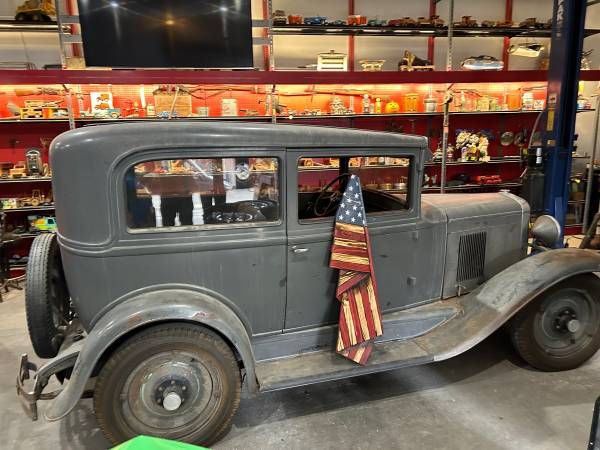
1929 Chevrolet Master
 Dealer
United States
Dealer
United States
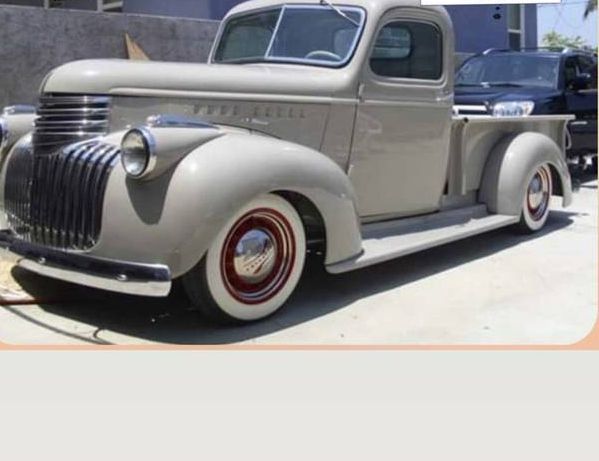
1946 Chevrolet Master
What to Look For
Inspect the wooden body elements — pre-war Chevrolet bodies used wood framing in the doors and roof structure that rots when water intrudes. Check door and body alignment carefully; misalignment often means the underlying wood framework has deteriorated. Probe lower door skins and the sill area for rust. Verify the Stovebolt Six starts reliably and doesn't smoke excessively. Check the hydraulic brake system (introduced 1936 — earlier cars have mechanical brakes). On coupe body styles, verify the rumble seat mechanism works smoothly if present.Pre-Purchase Checklist
-
Wood Framework Condition
Check door and body alignment — misalignment often means underlying wood framing has rotted. -
Door Skin Rust
Probe lower door skins carefully — rust hides behind the wood framing and spreads unseen. -
Sill Area
Inspect sill and rocker areas for rust perforation — water collects here when seals fail. -
Stovebolt Six Condition
Cold start and watch for blue smoke — valve seal wear causes oil consumption but is manageable. -
Brake System
Identify whether cable or hydraulic brakes — hydraulic cars (1936+) are safer and easier to maintain. -
Rumble Seat (if equipped)
Test rumble seat mechanism for smooth operation — rust at hinges and latch is common. -
Glass Completeness
Check all glass — curved pre-war glass is difficult and expensive to source. -
Hood Alignment
Verify hood aligns evenly — misalignment can indicate previous collision or wood framework movement.
Common Issues
Wood body framing rot in doors and roof structure — the most expensive pre-war repair when severe. Lower door skin rust behind the wood framing. Stovebolt Six oil consumption from worn valve stem seals — extremely common on unrestored engines. Hydraulic brake system deterioration on 1936–1942 cars. Rumble seat mechanism rust and failure on equipped coupes. Correct trim glass reproduction quality varies.More Master for sale
 Dealer
United States
Dealer
United States
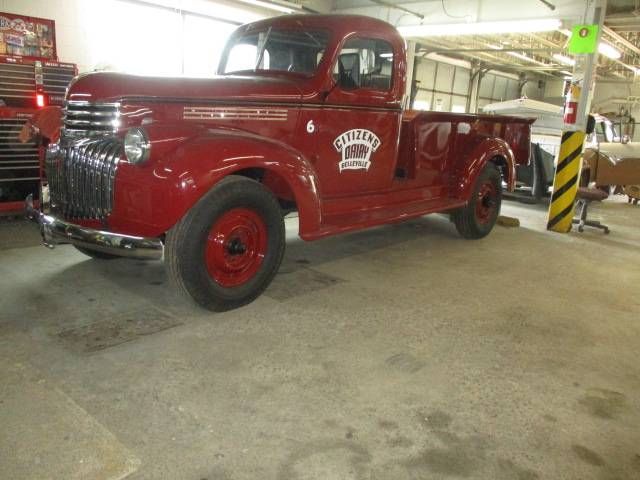
1946 Chevrolet Master
 Dealer
United States
Dealer
United States
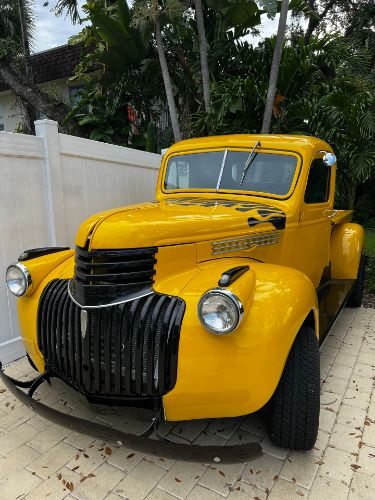
1941 Chevrolet Master
Pricing Guide
1933–1935 Master sedan: $8,000–$18,000. 1936–1938 Master coupe: $12,000–$25,000. 1936–1938 Master sport coupe/rumble seat: $18,000–$35,000. 1939–1942 Master sedan: $10,000–$22,000. Cabriolet convertibles: add 30–50% premium. Custom/show builds: $20,000–$80,000+ depending on quality.Fun Facts
Chevrolet was the best-selling car brand in America for most of the 1930s, and the Master series was the primary reason — it was the sweet spot of price, quality, and reliability at a time when those things mattered enormously to depression-era buyers. The "Stovebolt Six" nickname came from the distinctive slotted bolts visible through the valve cover. The Stovebolt was so reliable that the US Army used it in military vehicles throughout World War II, and Chevrolet trucks with variants of this engine were still in production in 1963.Frequently Asked Questions
Ready to find your Master?
Browse 6+ active Chevrolet Master listings on Classic Cars Arena.
View Listings →