
Datsun 240Z vs Mazda RX-7 — JDM Sports Car Icons
The Datsun 240Z (1969-1973) and Mazda RX-7 (1979-2002) are the two most significant Japanese sports cars of the classic era — separated by a decade but unified by their mission: delivering genuine sports-car experience to American buyers at accessible prices. The 240Z set the template; the RX-7 refined it with a unique rotary powertrain and exceptional handling balance. Both are now rising classics with strong collector momentum.
Specs side-by-side
| Spec | Datsun 240Z | Mazda RX-7 |
|---|---|---|
| Production era | 1969-1973 | 1992-2002 (FD, best gen) |
| Engine | L24 2.4L inline-six | 13B-REW twin-turbo rotary |
| Power output | 151 hp (US-spec) | 255 hp (JDM, US rated 252 hp) |
| Driver-quality value | \$25,000–\$55,000 | \$50,000–\$95,000 (FD) |
| Appreciation pace | 12-18% annually (clean) | 20-30% annually (FD, clean) |
| Maintenance complexity | Moderate — conventional | High — rotary specialist req. |
The case for Datsun 240Z
Choose the Datsun 240Z for the original — the car that proved Japanese manufacturers could build world-class sports cars. The L24 straight-six's sound, the long hood, and the flowing fastback shape are elements that influenced sports car design for a decade. Driver-quality 240Zs trade at $25,000–$55,000 — more accessible than the best FD RX-7s. Parts are well-supported through vendors including Z-Car Garage and Motorsport Auto. The 240Z rewards mechanical involvement: the engine is accessible, the suspension geometry is understood, and there is a global community of owners who have solved every failure mode the car can develop.
The case for Mazda RX-7
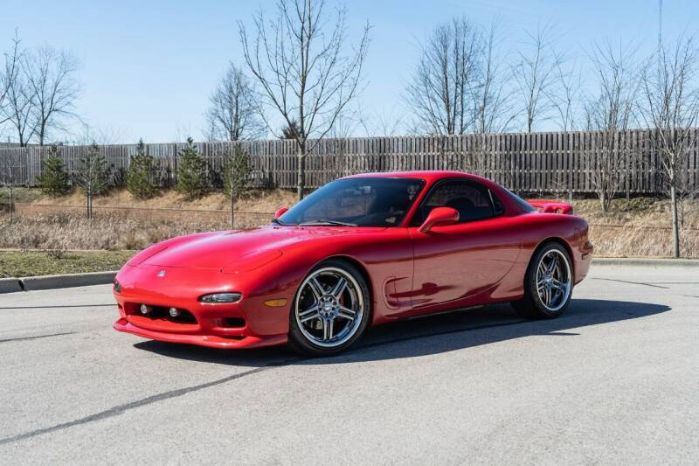
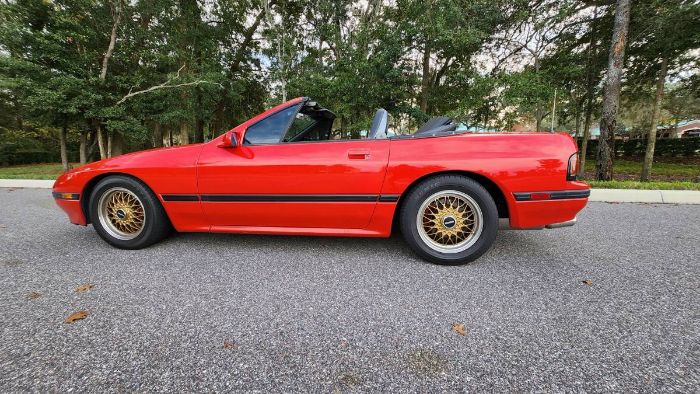
Choose the Mazda RX-7 FD (1992-2002) for the most technically advanced Japanese sports car of the 1990s — sequential twin-turbo rotary, 50/50 weight distribution, and a driving experience that contemporary reviews universally rated among the world's best. The FD RX-7 is appreciating faster than any other JDM classic in 2026, with clean examples approaching and in some cases exceeding $100,000. The earlier FC RX-7 (1986-1991) offers the rotary experience at a lower entry point ($15,000-$28,000). Both generations require rotary-specific maintenance knowledge — the engine is reliable when treated correctly but unforgiving when neglected.
Verdict
For accessibility, parts support, and the foundational JDM sports car experience, the 240Z is the rational choice. For the highest driver reward, the fastest appreciation trajectory, and the most technically sophisticated Japanese classic of the era, the FD RX-7 is the answer. Both are excellent investments; the 240Z is more stable and accessible, the FD RX-7 is more dynamic and appreciating faster. Buy the Z if you want a classic you can maintain yourself with confidence; buy the FD if you want the most engaging JDM driver available and are prepared to find a rotary specialist.
Recent Datsun 240Z listings
 Dealer
 United States
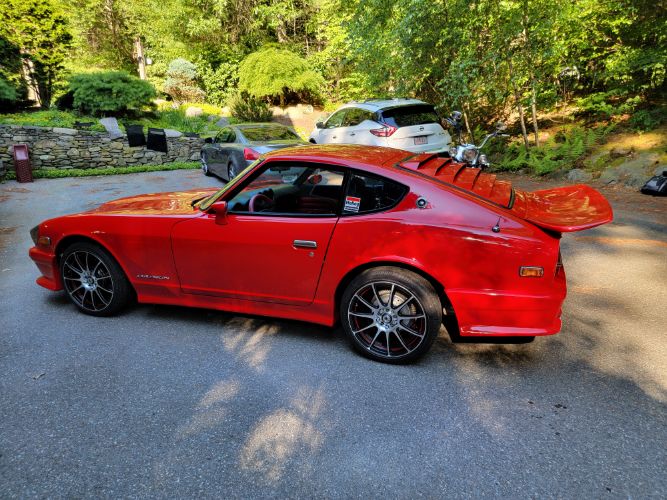
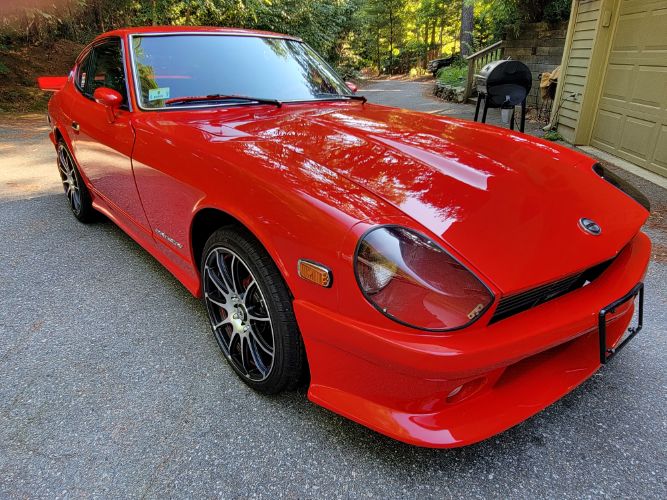
1973 Datsun 240Z
 Dealer
United States
Dealer
United States
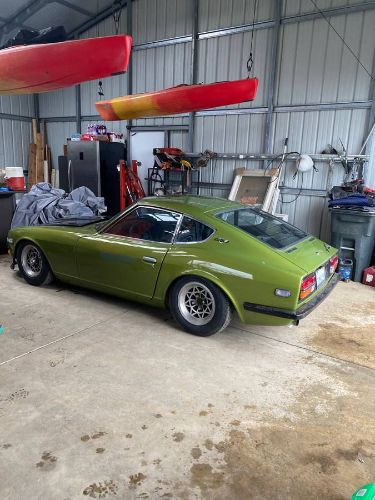
1973 Datsun 240Z
 Dealer
United States
Dealer
United States
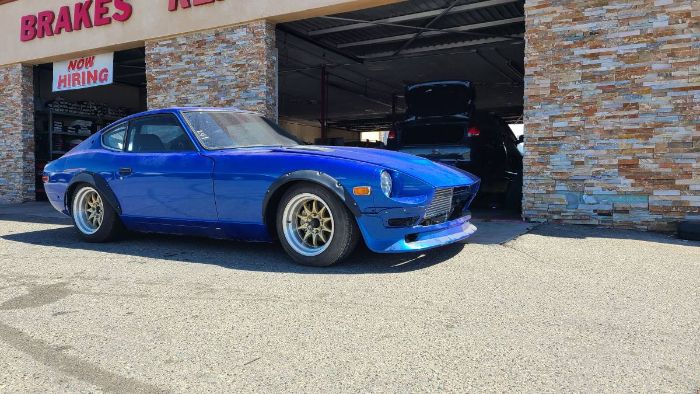
1970 Datsun 240Z
 Dealer
United States
Dealer
United States
1974 Datsun 240Z
Recent Mazda RX-7 listings
 Dealer
United States
Dealer
United States
1993 Mazda RX-7
 Dealer
United States
Dealer
United States
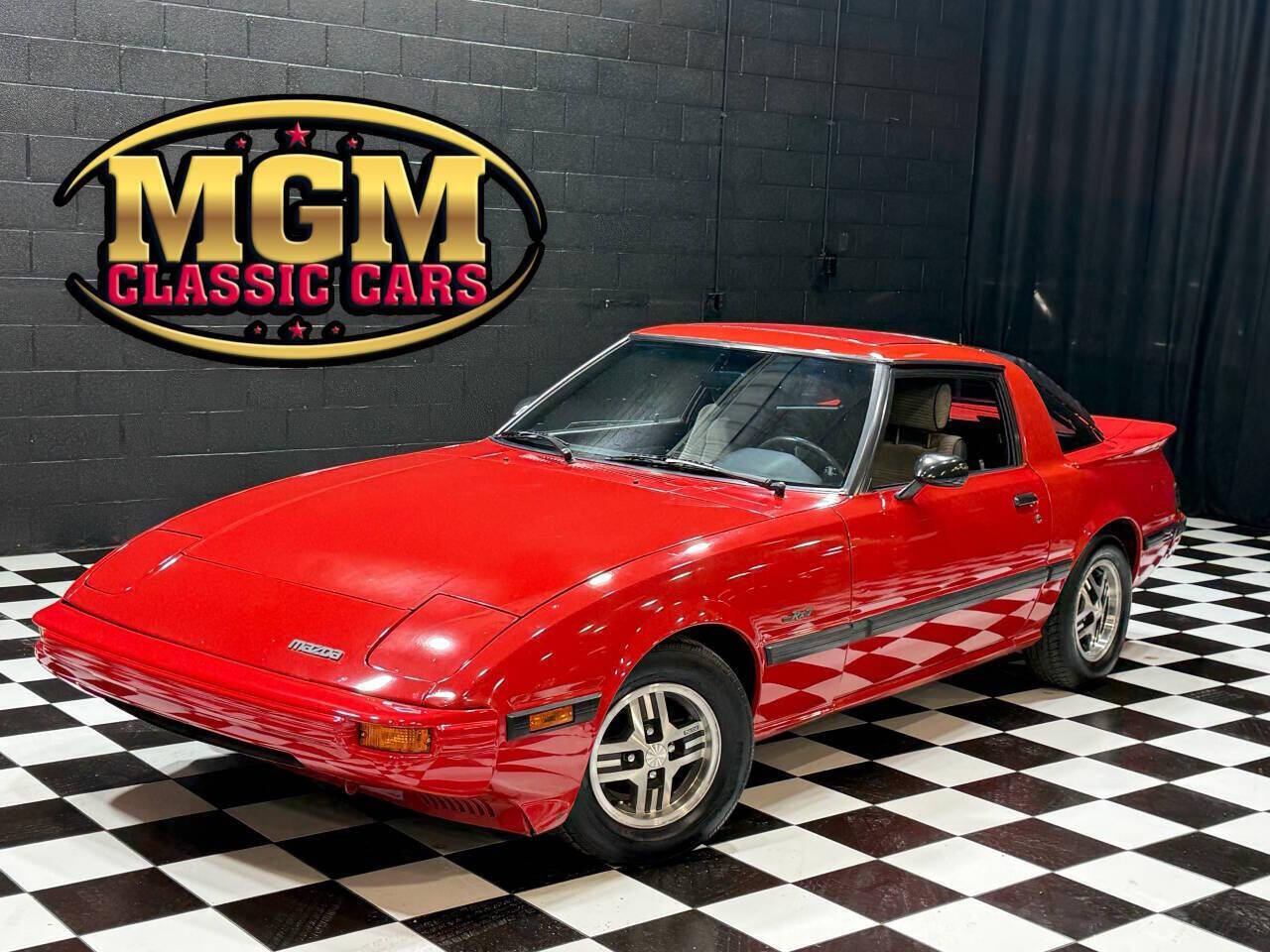
1985 Mazda RX-7
 Dealer
United States
Dealer
United States
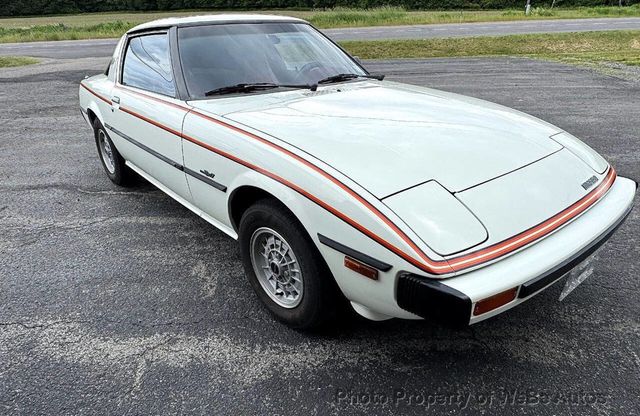
1979 Mazda RX-7
 Dealer
United States
Dealer
United States