
Dodge Power Wagon vs Jeep CJ-7 — Off-Road Icons Compared
<p>The Dodge Power Wagon and Jeep CJ-7 are both foundational American 4x4 vehicles, but they represent completely different approaches to off-road capability. The Power Wagon is a purpose-built work truck derived from military hardware — designed to pull, haul, and traverse terrain in sustained service. The CJ-7 is a nimble, open-air recreational vehicle that emphasizes agility over brute force. Choosing between them is really a question of what kind of off-road experience you're after.</p>
Specs side-by-side
| Spec | Dodge Power Wagon | Jeep CJ-7 |
|---|---|---|
| Era (most collectible gen) | 1946–1968 WM300 | 1976–1986 CJ-7 |
| Engine | 230ci flathead six (WM300) | AMC 258 six / 304 V8 |
| Curb weight (approx) | ~5,200 lbs | ~3,100 lbs |
| Front axle design | Closed-knuckle solid axle | Solid Dana 30 |
| Driver-quality value (2026) | $25,000–$90,000 | $14,000–$42,000 |
The case for Dodge Power Wagon
The original Dodge Power Wagon (WM300, 1946–1968) is in a different category of historical significance than the CJ-7. It's the original American production 4x4 truck — the vehicle that proved military-derived engineering had a place in civilian work life. The closed-knuckle solid axles, flathead six, and two-speed transfer case were engineered for sustained full-load operation in conditions that would destroy a conventional truck. For collectors, the Power Wagon's military heritage and absolute genuine-article status make it a different proposition than any recreational 4x4. Values have risen 40–60% since 2018 and show no signs of reversal.
The case for Jeep CJ-7
The CJ-7 wins on accessibility, usability, and driver engagement. It's smaller and lighter than the Power Wagon, which makes it more maneuverable on tight trails and easier to recover if it gets stuck. The AMC 258 inline-six or 304 V8 options provide adequate trail power with the benefit of a parts supply that runs through every major auto parts retailer. The factory hardtop option transforms it for year-round driving. And at $14,000–$38,000 versus $25,000–$90,000 for the Power Wagon, the CJ-7 provides a much lower entry point into the classic 4x4 market.
Verdict
The Power Wagon is the more significant collector vehicle with stronger investment fundamentals — permanently fixed supply, genuine historical provenance, and growing appreciation from a broader audience. The CJ-7 is the more practical, accessible, and usable classic 4x4 for someone who wants to drive and enjoy the experience regularly. If you're buying for investment and historical importance, the Power Wagon. If you're buying for driving enjoyment and trail use at a reasonable entry price, the CJ-7.
Recent Dodge Power Wagon listings
 Dealer
 United States
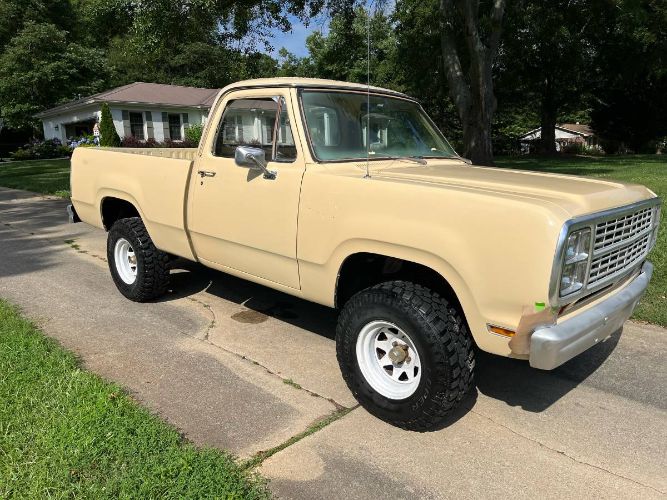
1979 Dodge Power Wagon
 Dealer
United States
Dealer
United States
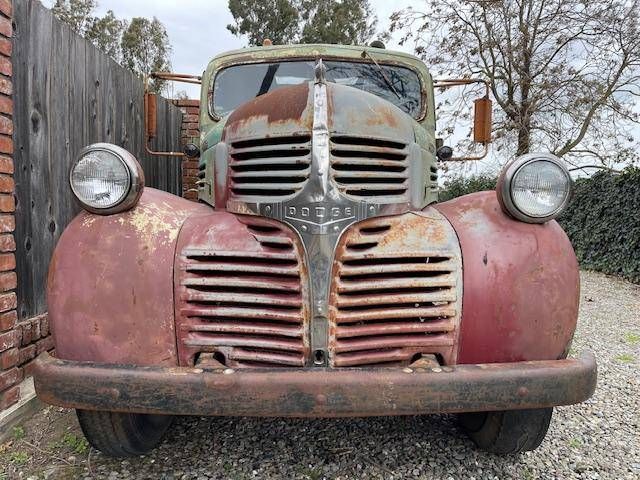
1946 Dodge Power Wagon
 Dealer
United States
Dealer
United States
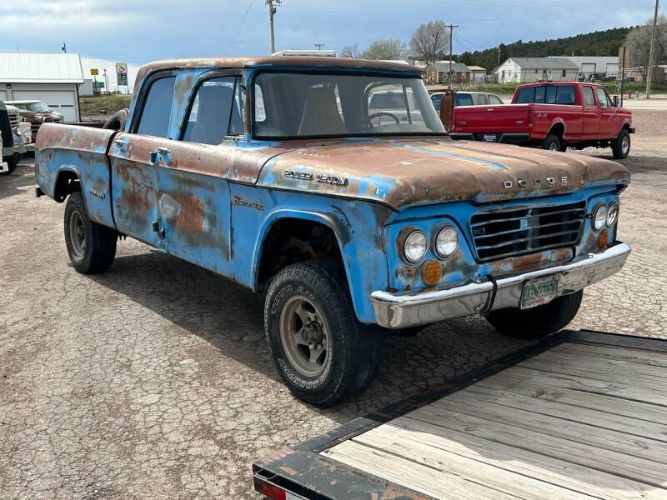
1962 Dodge Power Wagon
 Dealer
United States
Dealer
United States
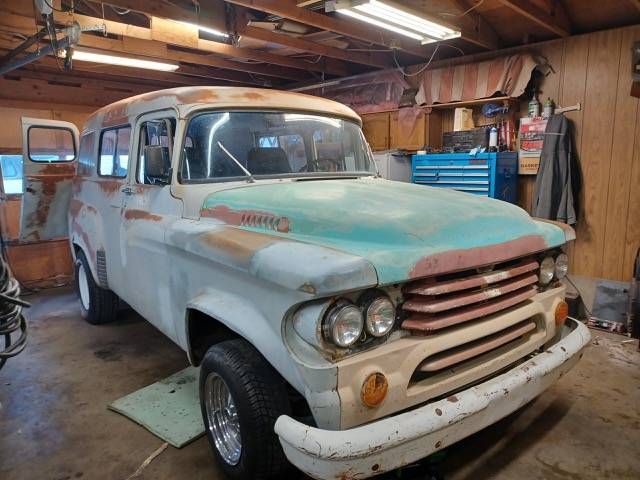
1961 Dodge Power Wagon
Recent Jeep CJ-7 listings
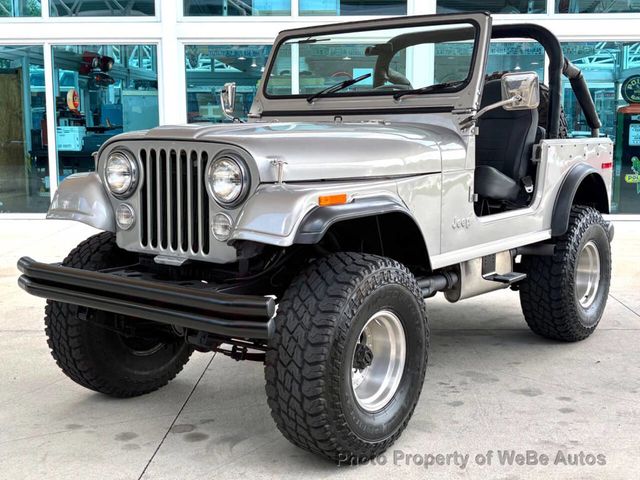 Dealer
United States
Dealer
United States
1978 Jeep CJ-7
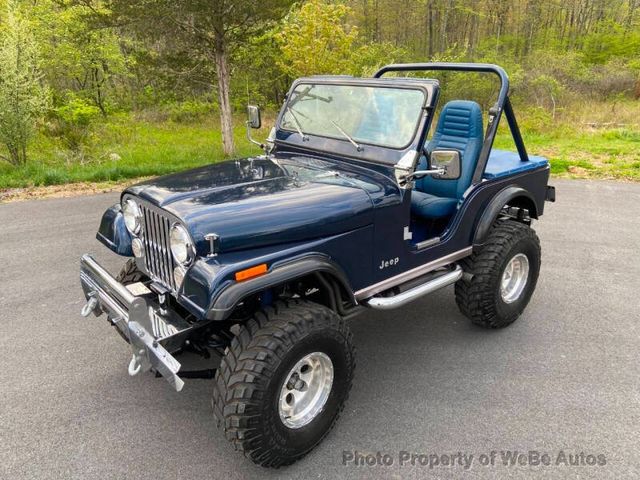 Dealer
United States
Dealer
United States
1982 Jeep CJ-7
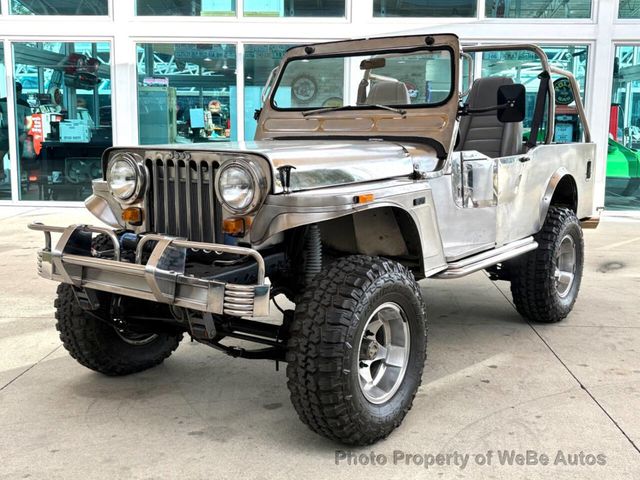 Dealer
United States
Dealer
United States
1979 Jeep CJ-7
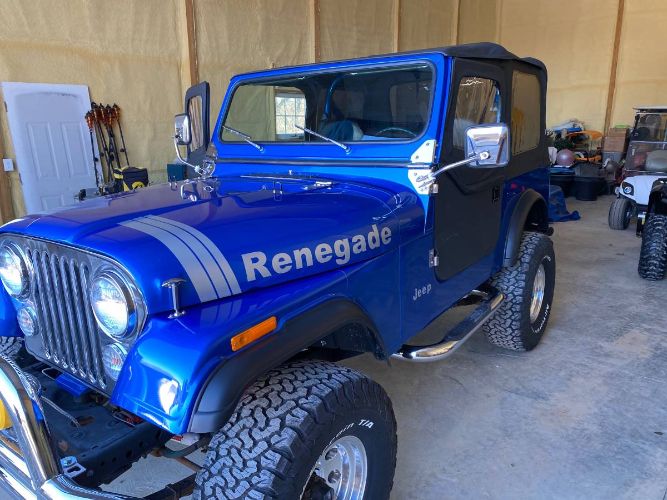 Dealer
United States
Dealer
United States