
How much is a Dodge Power Wagon W200 worth in 2026?

The Power Wagon name traces back to Dodge's military WC-series trucks from World War II — the civilian W-series inherited the front axle, transfer case, and overall drivetrain philosophy from that military foundation. What you're buying when you buy a W200 is a truck designed to get work done in conditions where a standard pickup would quit, and that engineering intention is palpable in every heavy-duty component under the body.
W100 vs W200 vs W300
The Dodge W-series ran three weight ratings across the classic era. The W100 (half-ton 4WD) is the lightest and most car-like in driving character — values parallel the C/K 10 market. The W200 (3/4-ton 4WD) adds a heavier rear axle, stronger frame, and higher payload rating while retaining street-usable ride quality — this is the sweet spot for collectors who want genuine capability without the full commercial-vehicle character of the W300 one-ton. The W300 (one-ton, with the optional four-wheel drive PTO Power Wagon) is the most militarily-derived and most specialized.
| Model Year Range | Engine Options | W200 Value (driver) |
|---|---|---|
| 1961–1971 (W-series) | 318 V8 or 361 V8 | $28,000–$55,000 |
| 1972–1980 (revised body) | 318, 360, or 400 V8 | $32,000–$65,000 |
| Any year, 4WD, V8, short bed | Various | +$5,000–$12,000 premium |
What to Inspect
The frame and the cab are the non-negotiable items — same as any classic truck. Power Wagons worked for a living, and a worked truck's frame shows it: look at the crossmembers, the spring mounts, and the front frame horns for repair welds or previous stress cracks. The 318 V8 is the most practical engine for regular use — parts are available everywhere. The 360 is the preferred choice for more power with similar availability.
"A Power Wagon W200 with a solid frame and a straight cab is starting from the right place. These trucks were built to a military standard of durability — the engineering is honest, the drivetrain is proven, and every component was designed to be repaired in the field. Buy the cleanest one you can find and drive it."
— Robert Halloran
Browse current listings
 Dealer
 United States
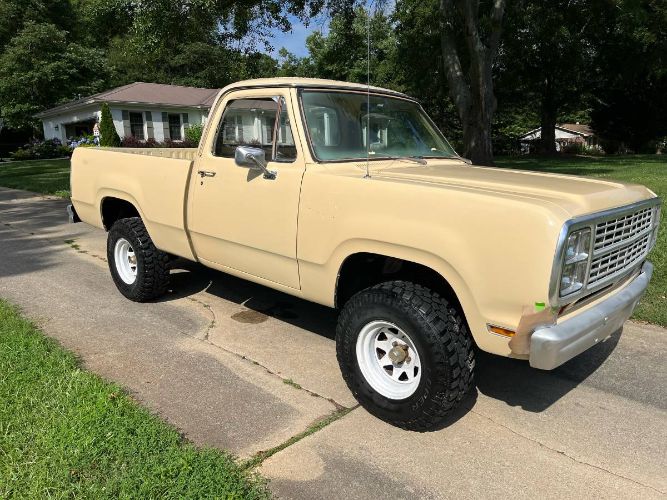
1979 Dodge Power Wagon
 Dealer
United States
Dealer
United States
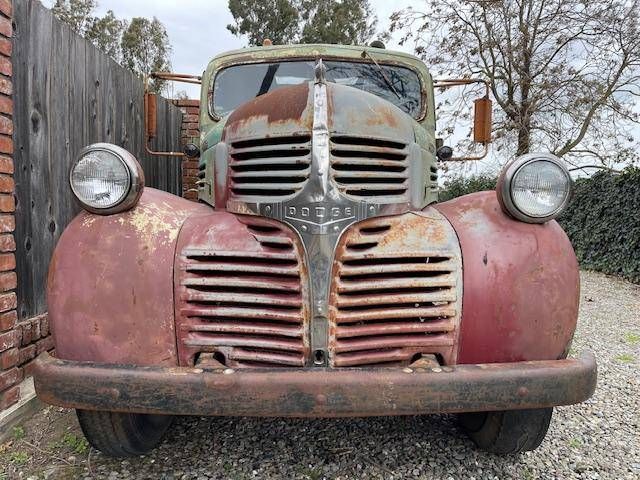
1946 Dodge Power Wagon
 Dealer
United States
Dealer
United States
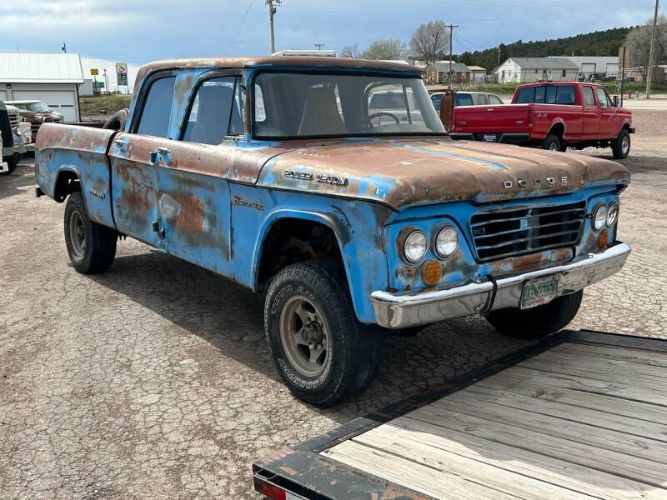
1962 Dodge Power Wagon
 Dealer
United States
Dealer
United States
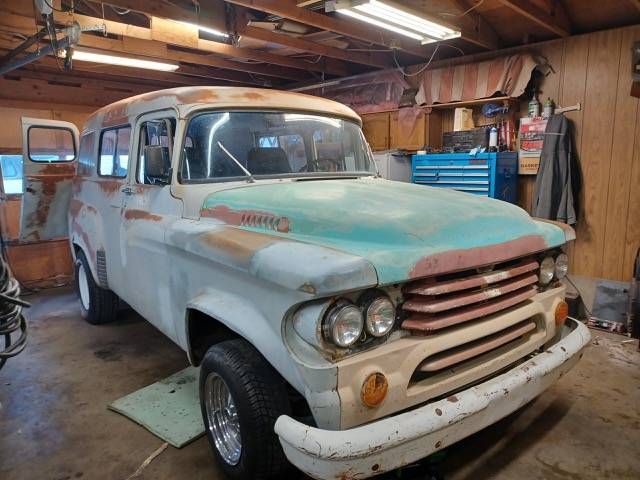
1961 Dodge Power Wagon
 Dealer
United States
Dealer
United States
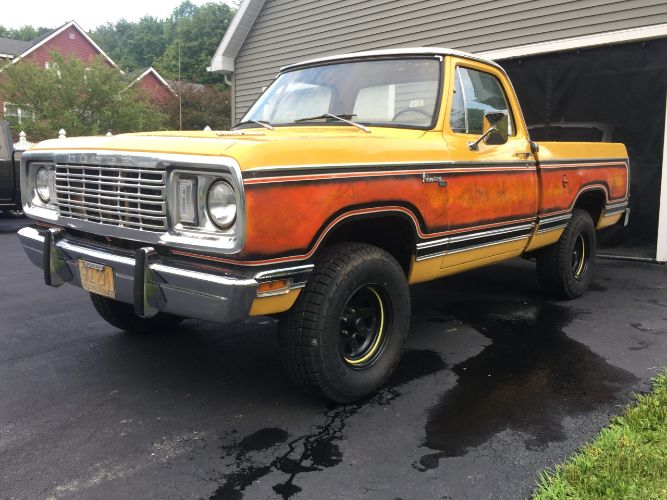
1977 Dodge Power Wagon
 Dealer
United States
Dealer
United States