
Pontiac Bonneville vs Oldsmobile 98 — Full-Size GM Luxury Rivals
<p>The Pontiac Bonneville and the Oldsmobile 98 occupied adjacent rungs on General Motors' full-size ladder through the 1950s, 1960s, and 1970s — both C-body cars, both positioned as luxury-performance flagships for their respective divisions, both offering the full range of GM's most powerful engines. The Bonneville leaned toward performance and styling drama; the 98 leaned toward luxury, smooth ride, and social prestige. The two cars shared platforms, powertrains, and sometimes production facilities — and remained distinct enough in character that their respective enthusiast communities have almost no overlap. In 2026, both are significantly undervalued relative to their size, quality, and historical significance.</p>
Specs side-by-side
| Spec | Oldsmobile 98 | Pontiac Bonneville |
|---|---|---|
| Best performance year | 1970 98 (455 4-bbl) | 1965 Bonneville (421 Tri-Power) |
| Peak engine option | 455 V8 4-bbl, 365 hp | 421 V8 Tri-Power, 376 hp |
| Platform | GM C-body (shared) | GM C-body (shared) |
| Character | Pure luxury, ride comfort | Performance-luxury, styling drama |
| Convertible produced? | Yes, 1955–1970 | Yes, 1957–1970 |
| 2026 value (driver) | $22,000–$62,000 | $28,000–$75,000 |
The case for Oldsmobile 98
The Oldsmobile 98 makes its case through refinement, Rocket V8 engineering, and the consistent appeal to a buyer who valued smooth, quiet luxury above outright performance. The Olds 98 was always positioned one step above the Bonneville in the division prestige hierarchy — a Cadillac substitute for buyers who wanted GM quality at a slightly reduced price point. The Rocket V8 (371, 394, 425, and 455 cubic inches depending on year) was engineering-forward for its era, using an overhead-valve design with impressive low-end torque that prioritized effortless power delivery over high-RPM output. The 1958–1960 98 convertible is a significant styling document — the Dynamic 88 and 98 shared the "Linear Look" design that influenced GM's styling direction. The 98's ride quality on contemporary road surfaces outclasses the Bonneville's slightly sportier tuning. Values at $22,000–$62,000 for driver-quality examples are even more compelling relative to the car's size and build quality.
The case for Pontiac Bonneville
The Pontiac Bonneville makes its case through styling leadership and the performance heritage that defined Pontiac during its most successful decade. The 1957–1958 Bonneville convertible is one of the most dramatically styled American cars of the postwar period — Harley Earl's team at Pontiac pushed design boundaries that the 98 did not attempt. The 1959–1960 Bonneville in full-size "longer, lower, wider" form is the era's styling pinnacle. In performance, the Bonneville carried Pontiac's full engine hierarchy — the 389, 421, and 428 V8s — with the Tri-Power (three two-barrel carburetors) option creating genuine high-performance credibility in a full-size car. The 1962–1965 Bonneville convertible with the 421 HO is among the most capable full-size performance cars ever built. In my shop, a correctly optioned Bonneville from 1962–1965 delivers muscle car performance in a full-size package that the 98 simply was not engineered to provide. Values at $28,000–$75,000 for driver-quality examples are exceptional for the car's scale and historical significance.
Verdict
For a performance-oriented buyer who wants the full-size GM experience with genuine muscle car credentials, the Bonneville with a 421 or 428 Tri-Power is the correct choice. For the buyer who wants the most refined, quietest, and most luxurious full-size GM experience outside a Cadillac, the 98 is the answer. Both cars are drastically underpriced relative to their scale, engineering quality, and historical significance — the full-size GM buyer pool has shrunk as the muscle car and pony car markets have absorbed collector attention. The buyer who recognizes this gap in 2026 has an opportunity to acquire genuinely significant American automobiles at a fraction of the cost of equivalent-significance mid-size muscle. Either way, the correct approach is to buy the cleanest, most original example you can find and avoid rust-belt survivors regardless of price.
Recent Oldsmobile 98 listings
 Dealer
 United States
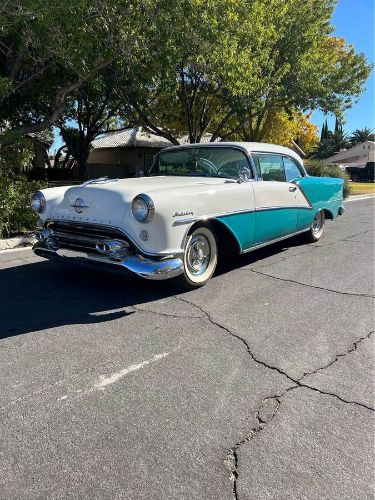
1954 Oldsmobile 98
 Dealer
United States
Dealer
United States
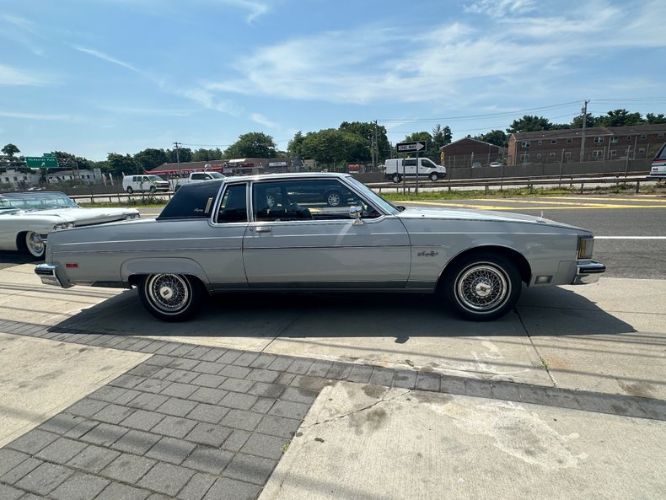
1982 Oldsmobile 98
 Dealer
United States
Dealer
United States
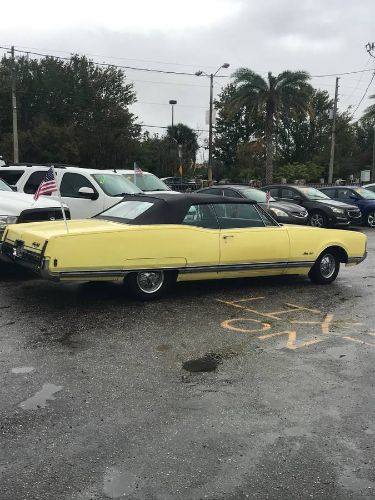
1968 Oldsmobile 98
 Dealer
United States
Dealer
United States
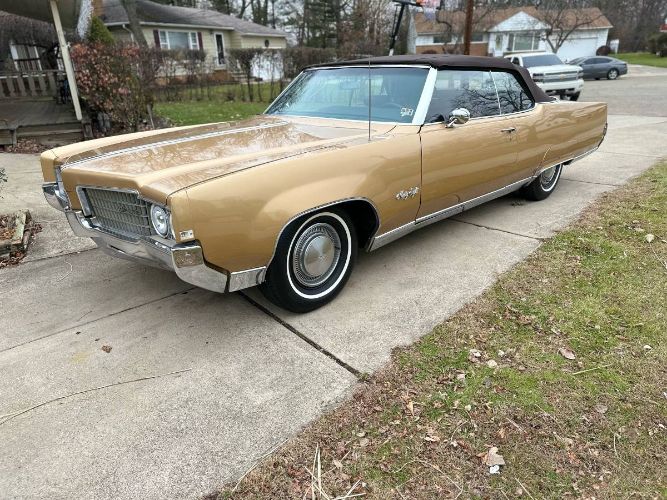
1969 Oldsmobile 98
Recent Pontiac Bonneville listings
 Dealer
United States
Dealer
United States
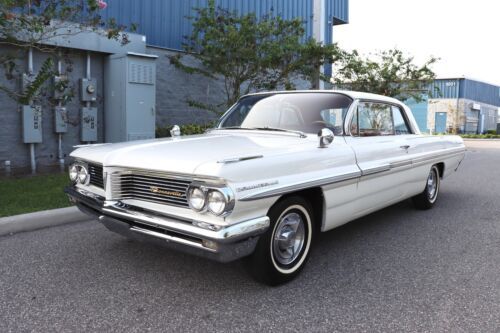
1962 Pontiac Bonneville
 Dealer
United States
Dealer
United States
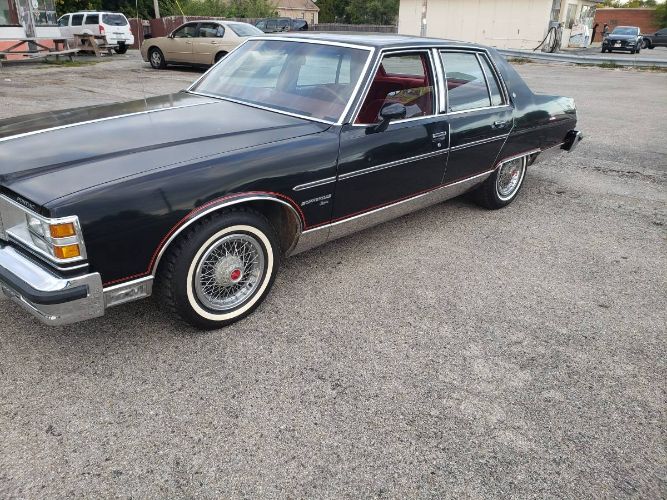
1970 Pontiac Bonneville
 Dealer
United States
Dealer
United States
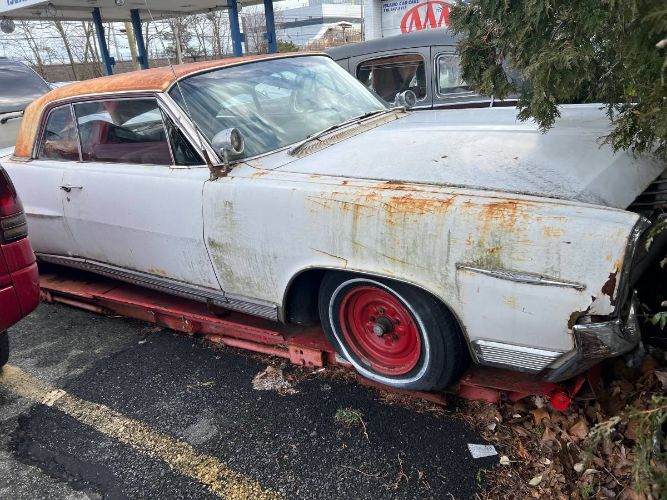
1964 Pontiac Bonneville
 Dealer
United States
Dealer
United States