Published June 10, 2026Updated June 19, 20263 generations1949–1976
The Coronet is a name that spanned almost thirty years and two completely different eras of Dodge, and the part that matters to most of us is the middle. When the Coronet came back as a mid-size B-body in the Sixties, it became one of the great muscle car platforms, the car that carried the R/T, the Super Bee, and yes, the 426 Hemi. I have worked on enough of these to tell you the legend is real, but so is the cloning problem, because a base Coronet sedan and a Hemi R/T share a lot of sheet metal. Knowing the difference is the whole game. Here is how the Coronet went from a postwar family car to a Mopar street brawler and back to a quiet sedan.
Dodge Coronet — Generation by Generation
1949–1959
Full-Size Era
"The postwar Coronet"
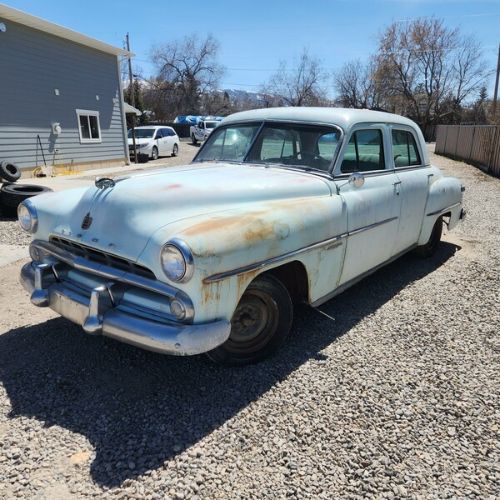
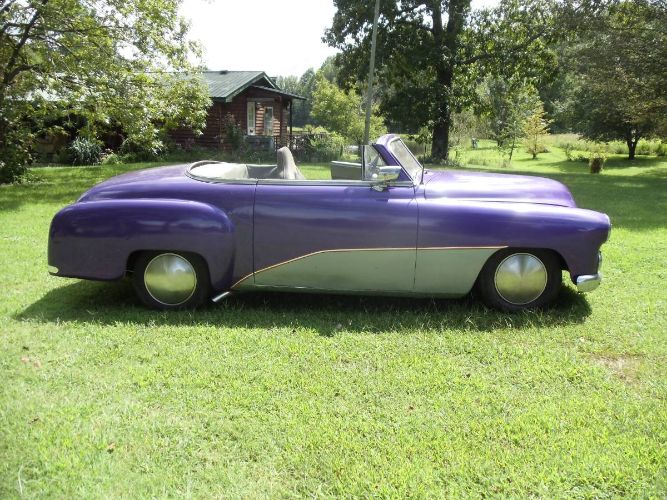
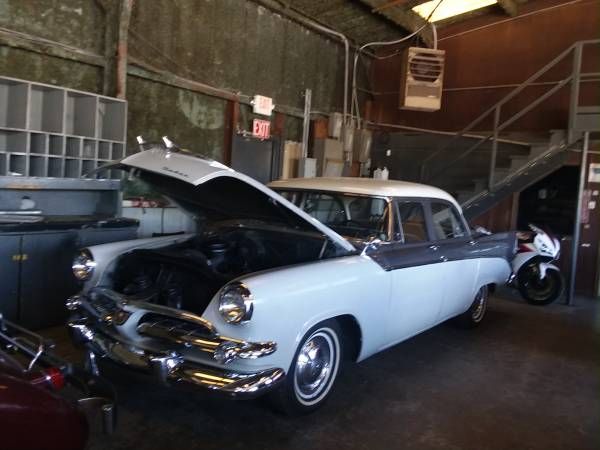
The Coronet name first appeared in 1949 on a full-size Dodge, and through the 1950s it served as a mainstream family car, eventually gaining V8 power including the early Red Ram Hemi. These cars have little in common with the muscle Coronets that followed and represent a distinct, more affordable era of collecting for buyers who want a solid postwar Dodge with period character.
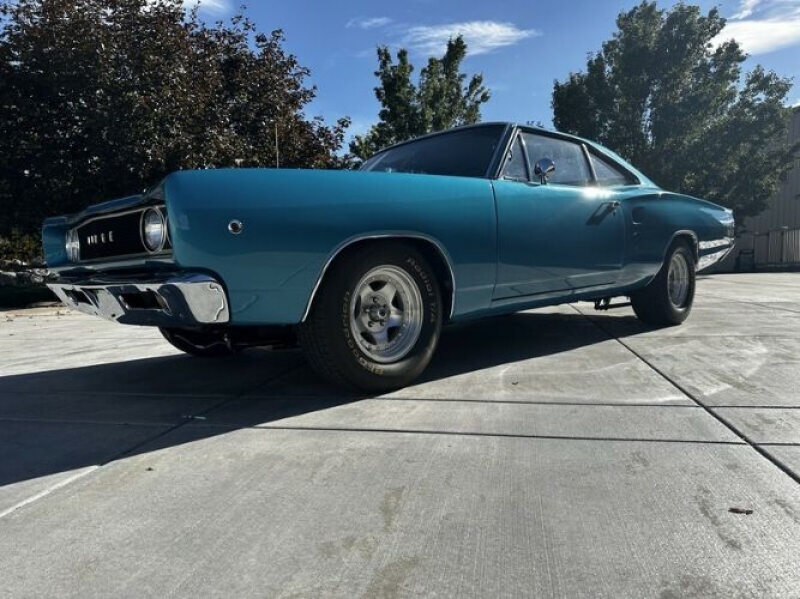
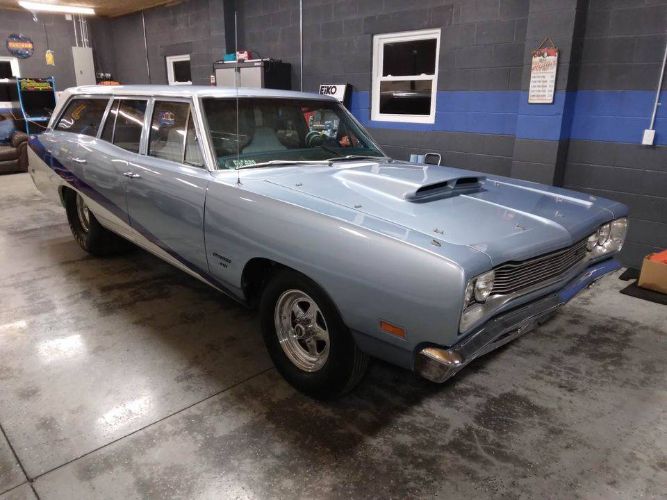
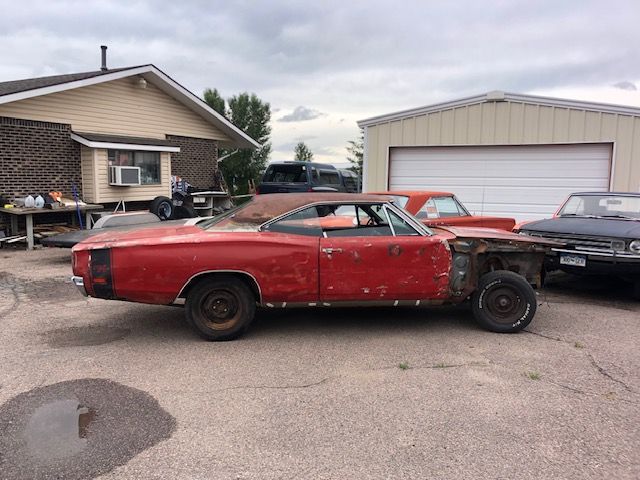
The Coronet returned as a mid-size B-body in 1965, and that is where it became a muscle car. The 426 Hemi arrived in 1966, the R/T performance model came in 1967 with the 440 standard, and the budget Super Bee joined in 1968 with the 383. The 1968 to 1970 cars wore bold Coke-bottle styling. This run produced some of the most desirable Mopar muscle cars, and the Hemi R/T and Super Bee cars sit at the top.
The 1971 redesign and the pressures of emissions and insurance pushed the muscle out of the Coronet. The performance models moved to the Charger, and the Coronet became a practical mid-size sedan and wagon through the mid-1970s. These later cars have little of the muscle-era appeal, but they are inexpensive, honest transportation and the last to wear a name that once meant something fast.
The cars that bring the money are the 1966 to 1970 muscle Coronets, the R/T, the Super Bee, and at the top the 426 Hemi cars, which are documented, serious machines that get faked constantly. A real one needs the fender tag and the build records, full stop. The 1965 to 1967 cars have the cleaner styling and the 1968 to 1970 cars have the bold Coke-bottle look and the widest engine choices. The early full-size cars are a different, less expensive world. Whatever you buy, these B-bodies rust in the rear frame rails, the trunk, and the lower quarters, so get underneath before the paint convinces you of anything.
Frequently Asked Questions
The R/T, for Road and Track, was the Coronet's performance model introduced in 1967, standard with the 440 Magnum and optional with the 426 Hemi. It combined muscle car power with a more complete level of equipment than the budget Super Bee.
The Super Bee, introduced in 1968, was the budget muscle version with a standard 383 and few frills, aimed at buyers who wanted speed for less. The R/T was the better-equipped performance model with the 440 standard. Both could be ordered with the Hemi.
Yes. The 426 Hemi was available in the mid-size Coronet from 1966, in the R/T and Super Bee especially. Hemi Coronets are among the most valuable and sought-after Mopar muscle cars.
📖
Thinking of Buying One?
Read our Dodge Coronet Buyer's Guide — pre-purchase checklist, common issues, and pricing.


 Dealer
 United States
 Dealer
 Dealer
 Dealer
 Dealer
 Dealer
 Dealer