Published June 10, 2026Updated June 19, 20264 generations1908–1927
No automobile changed the world more completely than the Ford Model T. When it appeared in 1908 it was one of many small, simple cars competing for a young market, but Henry Ford's insistence on a single durable design, built in ever-greater volume at an ever-lower price, turned it into the machine that put America on the road. Over nineteen years Ford built more than fifteen million of them, and in doing so invented the moving assembly line and the modern industrial economy that grew up around it. The car itself is mechanically humble: a 177 cubic inch four producing around twenty horsepower, a planetary transmission worked by foot pedals, and a chassis simple enough that a farmer could repair it. That simplicity is exactly why so many survive.
Ford Model T — Generation by Generation
1908–1914
Brass Era
"The early hand-finished cars"
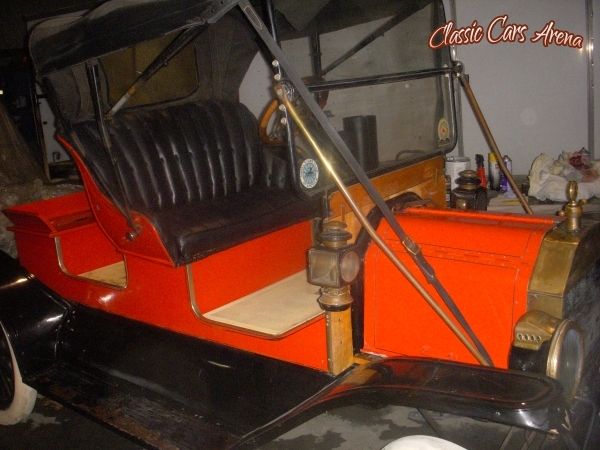
The first Model T cars wear the brass radiators, lamps, and trim that define the era, and the earliest examples were built with a care that the later mass-produced cars could not match. Body styles included the Touring, the Runabout, the Town Car, and the closed Coupe, and the colors ranged across red, green, blue, and grey before black took over. The 1913 introduction of the moving assembly line transformed the economics, dropping the price and multiplying output. Brass-era cars are the most prized by collectors and the most closely scrutinized at concours for originality.
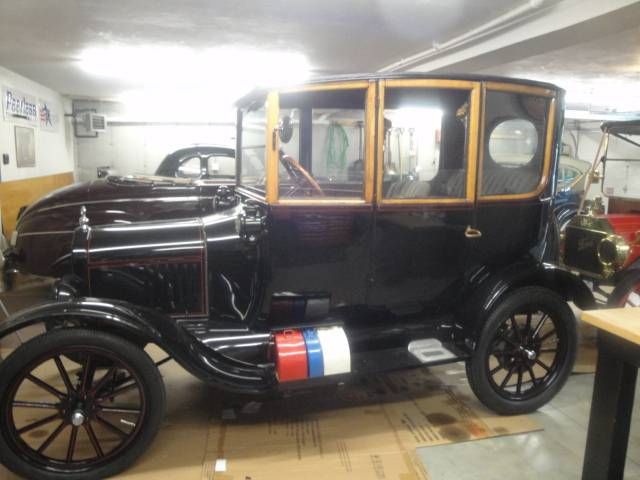
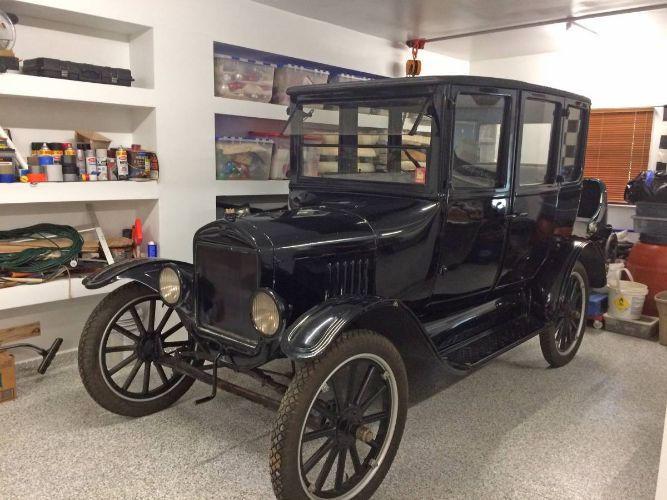
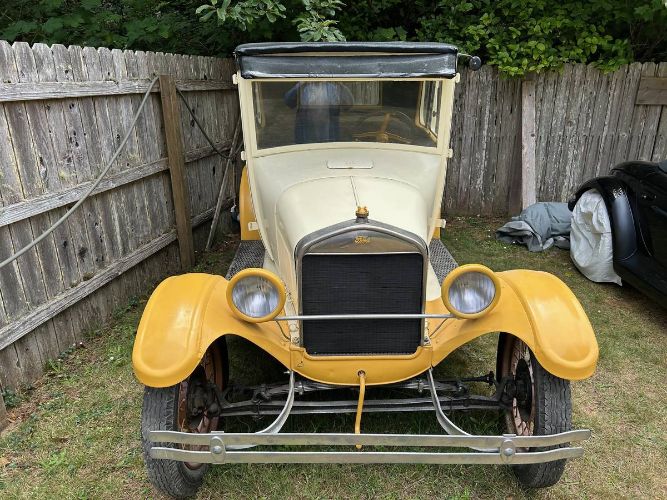
By the middle of the run the brass had given way to a black radiator shell and painted finish, the result of Ford's drive to simplify and speed production. Electric headlamps replaced the earlier acetylene and oil lamps, powered by a magneto, and the bodies took on a slightly more enclosed, modern look. These are honest, sturdy cars that represent the Model T at its most single-mindedly utilitarian, and they are well supported by reproduction parts.
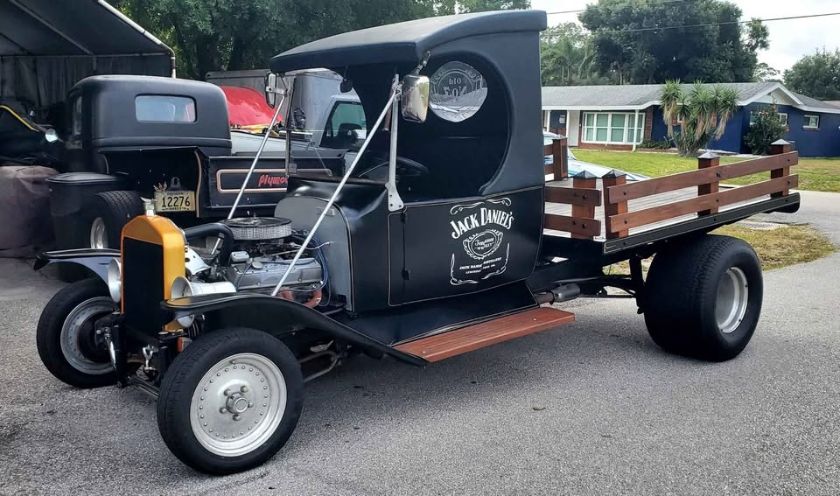
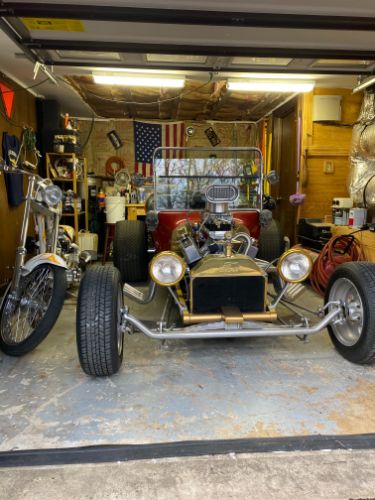
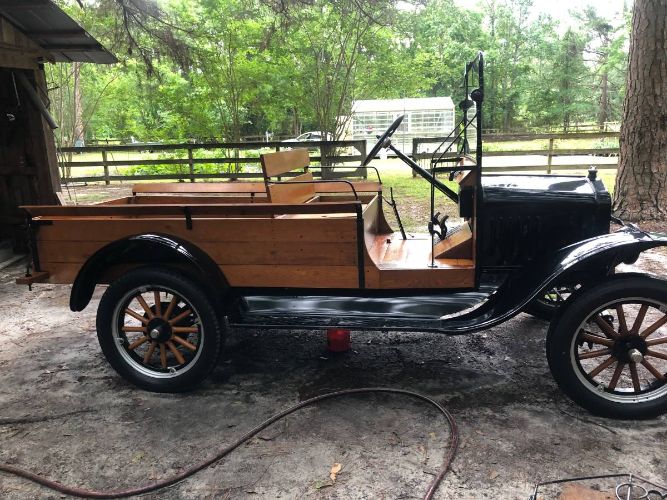
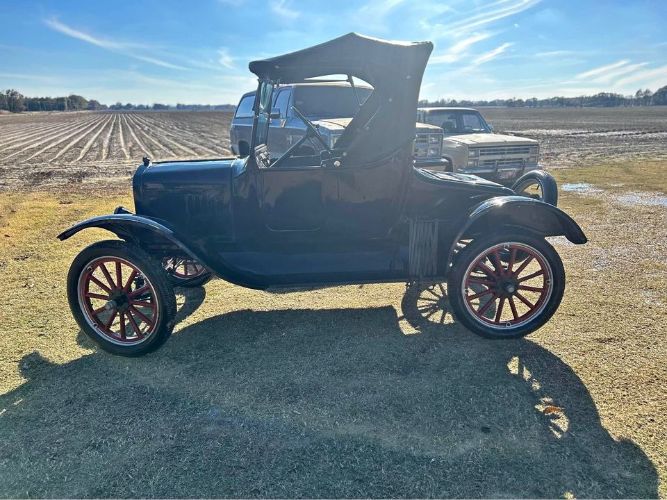
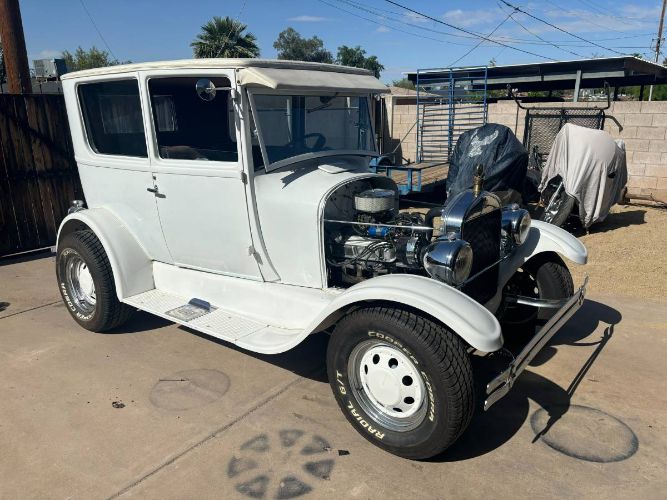
These are the years when the Model T reached its widest market and its lowest price, with a Runabout costing only a few hundred dollars. An electric starter became available, a significant convenience over hand-cranking, and demountable rims simplified tire changes. The cars are plentiful and inexpensive today, which makes them the most accessible entry into Model T ownership and a common base for the period speedster and hot rod builds that have their own long tradition.
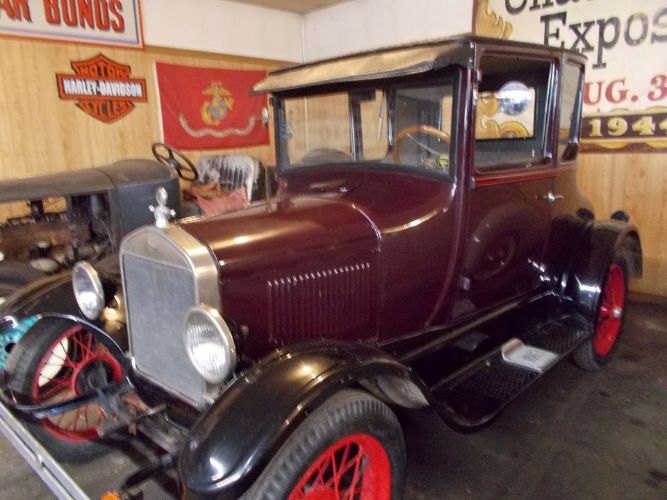
For its last two years the Model T was restyled to look lower and more modern, with a longer hood, lower stance, and a return of color choices after more than a decade of black. Nickel-plated brightwork and improved bodies gave the final cars a more finished appearance as Ford tried to hold off the competition before the Model A arrived. These late cars are the most comfortable and refined Model Ts, and they make excellent first antique automobiles for a buyer who wants the period experience with a little more polish.
The Model T rewards the collector willing to learn its peculiar controls, because once understood it is among the most usable and best-supported antique automobiles in existence. Parts are reproduced in remarkable depth, the mechanical simplicity invites hands-on ownership, and the club network is among the oldest and most generous in the hobby. The brass-era cars of 1908 to 1914 carry the highest values and the strongest concours interest, the black middle years are the most affordable way in, and the 1926 to 1927 cars offer the most refinement. Whatever the year, the Model T remains the automobile against which the entire industry measured itself, and owning one is a direct connection to the moment the modern world began to move.
Frequently Asked Questions
Ford produced more than fifteen million Model T cars between 1908 and 1927, a record that stood for decades. The moving assembly line introduced in 1913 made this volume possible and steadily drove the price down.
No. The earliest 1908 to 1913 cars came in several colors including red, green, blue, and grey. Ford switched to black only from around 1914 to speed production, then reintroduced color choices in the final 1926 and 1927 cars.
The Model T uses a two-speed planetary transmission controlled by three foot pedals rather than a conventional gearstick and clutch. The left pedal selects low and high gear, the center pedal engages reverse, and the right pedal is the brake.
📖
Thinking of Buying One?
Read our Ford Model T Buyer's Guide — pre-purchase checklist, common issues, and pricing.


 Dealer
 United States
 Dealer
 Dealer
 Dealer
 Dealer
 Dealer
 Dealer
 Dealer
 Dealer