
GMC 1500 Buyer's Guide
The GMC 1500 half-ton has always been the quiet achiever of the classic truck world — built on the same bones as the Chevy C/K but sold as the "professional" option, with distinct styling and a following that fiercely defends the difference.

Robert Halloran here, and I want to address something up front: yes, the GMC 1500 shares its basic architecture with the Chevrolet C/K 1500. They use the same frame, the same drivetrain options, and until the 1980s they shared most body panels. But ask any devoted GMC person whether they'd settle for a Chevy and watch their expression. The GMC carries a specific identity — a slightly more upmarket positioning, distinct styling elements, and a devoted collector base that treats the trucks as categorically different vehicles.
GMC trucks were sold through Pontiac-GMC dealerships, not Chevrolet dealers, which gave them a different customer profile from the start. They were often ordered by fleets, contractors, and buyers who specifically chose GMC for its perceived quality step-up. That perception was reinforced by subtle but real differences in trim, fit, and finish.
What Sets a GMC Apart
The differences between GMC and Chevrolet trucks in the classic era were real but subtle. The most visible: GMC trucks wore a distinctive split-bar grille on the 1967–1972 generation while Chevrolet had its own design, and the GMC emblem replaced the bowtie across all years. Interior trim options were sometimes exclusive to GMC, and certain equipment packages were available only through GMC dealers.
The more meaningful distinction was the dealer network. A truck sold through a Pontiac-GMC dealer typically received more careful initial preparation — these dealers served a more affluent customer base and had more to lose from unhappy buyers. Anecdotally, well-maintained GMC examples from the original-owner era show better panel fit and more complete service histories than comparable Chevys. This is not a universal truth, but it's consistent enough that experienced buyers look for it.
The 1967–1972 GMC: The Collector's Target
The second-generation trucks (1967–1972) represent the peak of GMC desirability in the classic market. The split-bar grille is distinctive enough that GMC people immediately identify one at a hundred yards. The available trim levels — CustomTruck, Custom Sport Truck, and the rare Sierra Grande — offered interior quality that was legitimately better than the base Chevrolet Custom of the same period.
The Sierra Grande, available from 1971, was essentially a luxury truck for the era: woodgrain trim inserts, full-length center console, high-back bucket seats, and carpeting throughout. Finding an original Sierra Grande in good condition today is a genuine event — these trucks were used, worn out, and rarely preserved. Clean examples are priced at significant premiums.
The Squarebody Era (1973–1987)
The third-generation "Squarebody" GMC is the most available classic in the market, and it's following a price trajectory that mirrors what happened to Chevrolet Squarebodies five years ago. Clean, unmodified GMC Squarebodies in the 1973–1987 range were still practical-price drivers as recently as 2020. That era is ending. Prices on the nicest examples have roughly doubled, and the supply of unmodified survivors is tightening.
The GMC Sierra trim — introduced in 1971 but synonymous with the Squarebody era — was the top-line package and offered features that made these among the most comfortable trucks of their generation. The 1981–1987 examples in particular were well-sorted machines: available with the 6.2L diesel engine (unusual and now collectible), the 5.7L 350 small-block, or the 7.4L 454 for maximum performance.
OBS and the End of an Era (1988–1998)
The "Old Body Style" final generation ran from 1988 to 1998 before the GMT800 replaced it. GMC rebranded the top trim as "Sierra" (the name that eventually became the standard designation), and these trucks became genuinely comfortable everyday vehicles without sacrificing their truck credentials. Low-mileage OBS GMC 1500 trucks are increasingly sought by buyers who want a practical classic — they're old enough to be interesting but modern enough to drive without drama.
Mechanical Overlap With Chevrolet
The small-block 350 V8, the TH350 and TH400 automatics, the NP205 and NP241 transfer cases — all of these are shared with Chevrolet, which is good news for parts availability and mechanical support. The one area where GMC diverged meaningfully was the optional 6.2L diesel (1982–1988), which is rare, unusual, and increasingly sought after by collectors who want something genuinely different. These diesel trucks were ordered by contractors who needed fuel economy on long runs, and surviving examples are far fewer than the gasoline counterparts.
Browse GMC 1500 listings
 Dealer
 United States
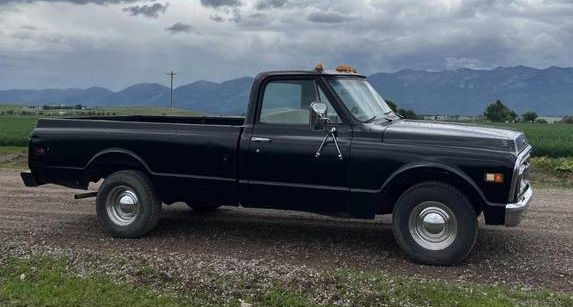
1968 GMC 1500
 Dealer
United States
Dealer
United States
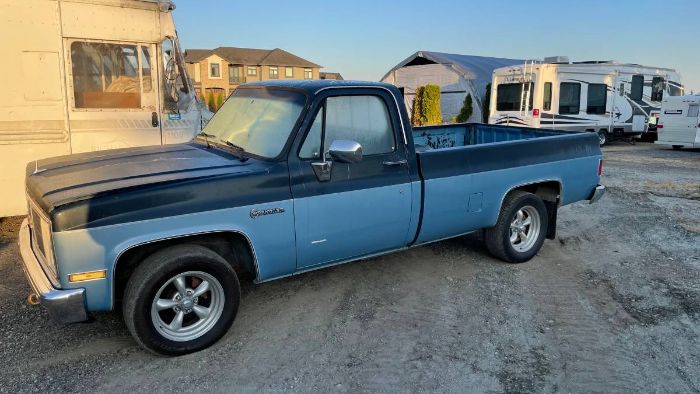
1987 GMC 1500
What to Look For
Inspect for the same structural rust issues as any classic Chevy C/K: cab corners, floor pans, and rear cab mounts on Squarebody trucks. On 1967–1972 examples, verify the GMC-specific grille and trim are original and complete — replacement with Chevy pieces is common on repaired trucks. Check Sierra Grande trim authenticity on claimed luxury models. On diesel-equipped trucks, verify the 6.2L engine hasn't been replaced with a gasoline unit. Confirm drivetrain codes for any claimed big-block trucks.Pre-Purchase Checklist
-
GMC-Specific Trim
Verify original GMC grille, emblems, and trim are intact — Chevy substitutions are common on repaired trucks. -
Cab Corner Rust
Probe cab corners on Squarebody trucks — rust here is nearly universal on untreated examples. -
Sierra Grande Authenticity
On claimed Sierra Grande trucks, verify woodgrain trim, carpet, and high-back seats are original. -
Rear Cab Mounts (1973+)
Check rear cab mounts on Squarebody trucks for corrosion — causes cab-to-frame cracking. -
Engine/Drivetrain Codes
Decode the firewall tag — verify original engine for any claimed big-block or diesel trucks. -
Diesel Specifics (6.2L)
On diesel trucks, test glow plug operation, check injection pump for leaks, and verify coolant is clean. -
Transfer Case (4WD)
Test 4WD engagement in both high and low — listen for grinding or slipping. -
Frame Rails
Inspect frame rails for cracks at spring perches and outrigger welds.
Common Issues
Same as Chevy C/K: cab corner rust on Squarebody era, floor pan perforation, rear cab mount corrosion. Replacement of GMC-specific grille and badging with Chevy parts during repairs. Rare Sierra Grande interior components difficult or impossible to source correctly. 6.2L diesel injection pump failures and glow plug system issues. Transmission wear on high-mileage TH350/TH400 examples.More 1500 for sale
 Dealer
United States
Dealer
United States
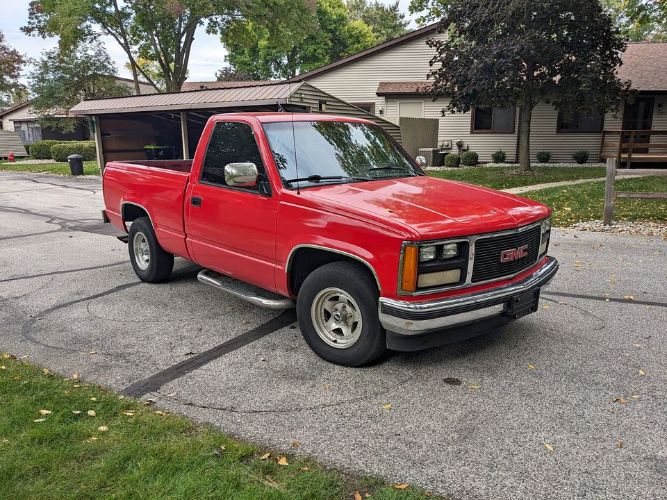
1988 GMC 1500
 Dealer
United States
Dealer
United States
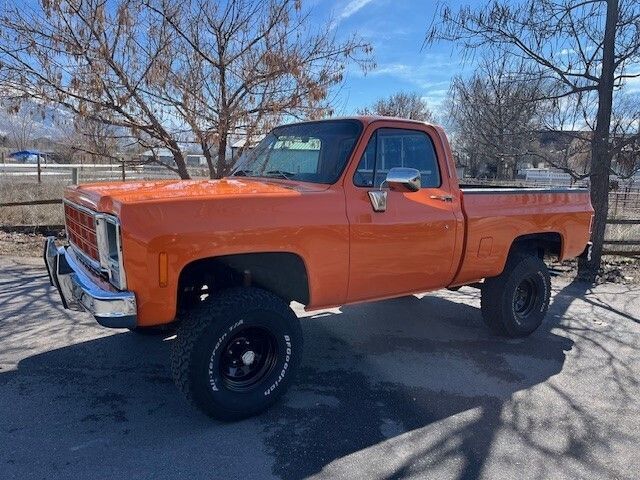
1980 GMC 1500
Pricing Guide
1967–1972 second-gen GMC 1500: $20,000–$50,000 for good drivers, $55,000–$90,000+ for Sierra Grande quality. 1973–1987 Squarebody: $12,000–$28,000 for drivers, $35,000–$65,000 for quality builds. GMC premium over equivalent Chevy: typically 10–20% for same condition. 4WD adds $3,000–$8,000. Diesel-equipped trucks: add $2,000–$5,000 premium for novelty.Fun Facts
GMC trucks were sold through Pontiac-GMC dealers from 1968 onward — a completely separate dealer network from Chevrolet. The Sierra name was introduced as a GMC trim level in 1971, decades before it became the truck's full nameplate. GMC offered a factory-installed 6.2L diesel V8 from 1982–1988 — a relatively rare option that has since developed a dedicated following among collectors.Frequently Asked Questions