One Word, One Signal
There is a version of this story that treats the difference between "Sting Ray" and "Stingray" as a copywriter's footnote — a hyphen dropped, a space closed, a name consolidated into something tidier. That version is wrong.
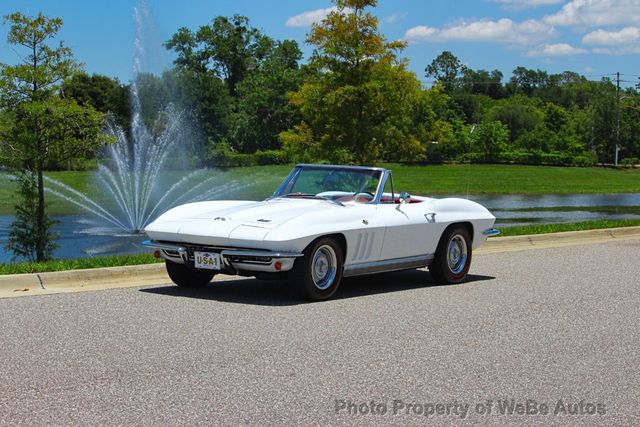
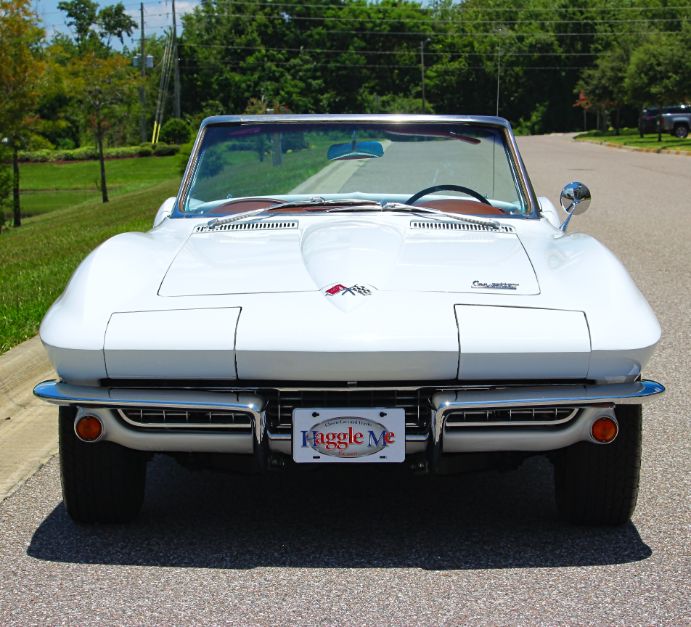
When Chevrolet reintroduced the Stingray name on the 1969 Corvette, they wrote it as a single word for the first time in the car's history. The C2 generation — those long, low, voluptuous coupes and convertibles from 1963 through 1967 — had worn "Sting Ray" as two words on their flanks, a deliberate homage to the experimental racer Bill Mitchell had campaigned in 1959. The 1968 model, the controversial debut of the third-generation body, wore no Stingray name at all. It had been stripped off, perhaps in the chaos of a launch that went badly enough that Car and Driver famously refused to publish a road test of an early example, deeming the car unfit to evaluate.
The 1969 got the name back. Fused. One word. Stingray.
This is the kind of detail that separates a car with a past from a car with a story. The name's return — compressed, confident, single — was Chevrolet's quiet announcement that the C3 had found itself. The stumbling debut of 1968 was behind them. The car they had intended was finally in production.
To understand what the 1969 meant, you have to understand what the 1968 was — and wasn't. The 1968's rocky launch is well documented among serious enthusiasts: panel fits that were unacceptable, interior ergonomics that felt rushed, door openings made awkward by wide frames that forced an undignified entry and exit. The engineers at Chevrolet knew it. The fix would take a model year.
What They Changed, and Why It Mattered
The improvements Chevrolet made for 1969 were not the grand gestures of a redesign. They were the corrections of a team that had diagnosed a patient carefully. Each change was targeted, and collectively they transformed the driving experience from frustrating to genuinely excellent.
The most immediately felt improvement was structural: the door frames were narrowed. This single change made getting in and out of the 1969 dramatically easier than the 1968. The wide sill and thick door opening of the debut car had made entry feel like a physical negotiation; on the 1969, the geometry simply worked. For a car with a low roofline and a pronounced sill, this was not a cosmetic fix — it was a functional one that changed how drivers related to the car every single time they used it.
The door jambs were also revised. The interior surface treatment was cleaned up, and map pockets were added to the doors — a detail that sounds minor until you realize the 1968 had offered nowhere to put a map, a pair of gloves, or anything else on a long drive. The Corvette was, among other things, a touring car. Storage mattered.
The exterior door handles were improved. The 1968's push-button releases had been troublesome in practice; the 1969's revised design was more reliable and better integrated into the body surface.
The steering wheel shrank from 16 inches to 15 — a change that sounds small and feels immediately significant. A smaller wheel demands more effort in some respects and rewards more precision. It moved the car toward a sports car sensibility rather than a cruiser's geometry.
And then there was the T-top.
The Roof That Defined a Generation
The 1968 Corvette had been designed for a full removable roof panel — a concept that owed something to the Mako Shark II show car, which had helped shape the C3's silhouette. But what actually reached production was a modified arrangement, and the T-top configuration — two removable glass or body-color panels flanking a structural center spine — became available in earnest on the 1969 as a factory option.
This matters more than it might appear. The T-top would define the C3 Corvette's visual identity for the entire generation. Ask anyone to picture a 1970s Corvette and the image that surfaces almost always includes that spine, those panels, that particular combination of open air and structural backbone. The 1969 is where that identity locked in as a deliverable product rather than a design exercise.
"The C3 was always supposed to feel like a shark cutting through water — sleek, purposeful, slightly dangerous. The T-top made that possible without sacrificing the structural integrity the body needed. It gave the car its identity."
— from discussions of the C3's design philosophy, attributed to stylists who worked under Bill Mitchell's direction
For enthusiasts weighing a Corvette from the C3 era, the T-top option is frequently the deciding factor. The coupe without it reads as a different animal — capable, but enclosed. The T-top car, with its panels removed and that center bar catching the sun, is the car the era produced as its defining image.
The Engines: From Capable to Legendary
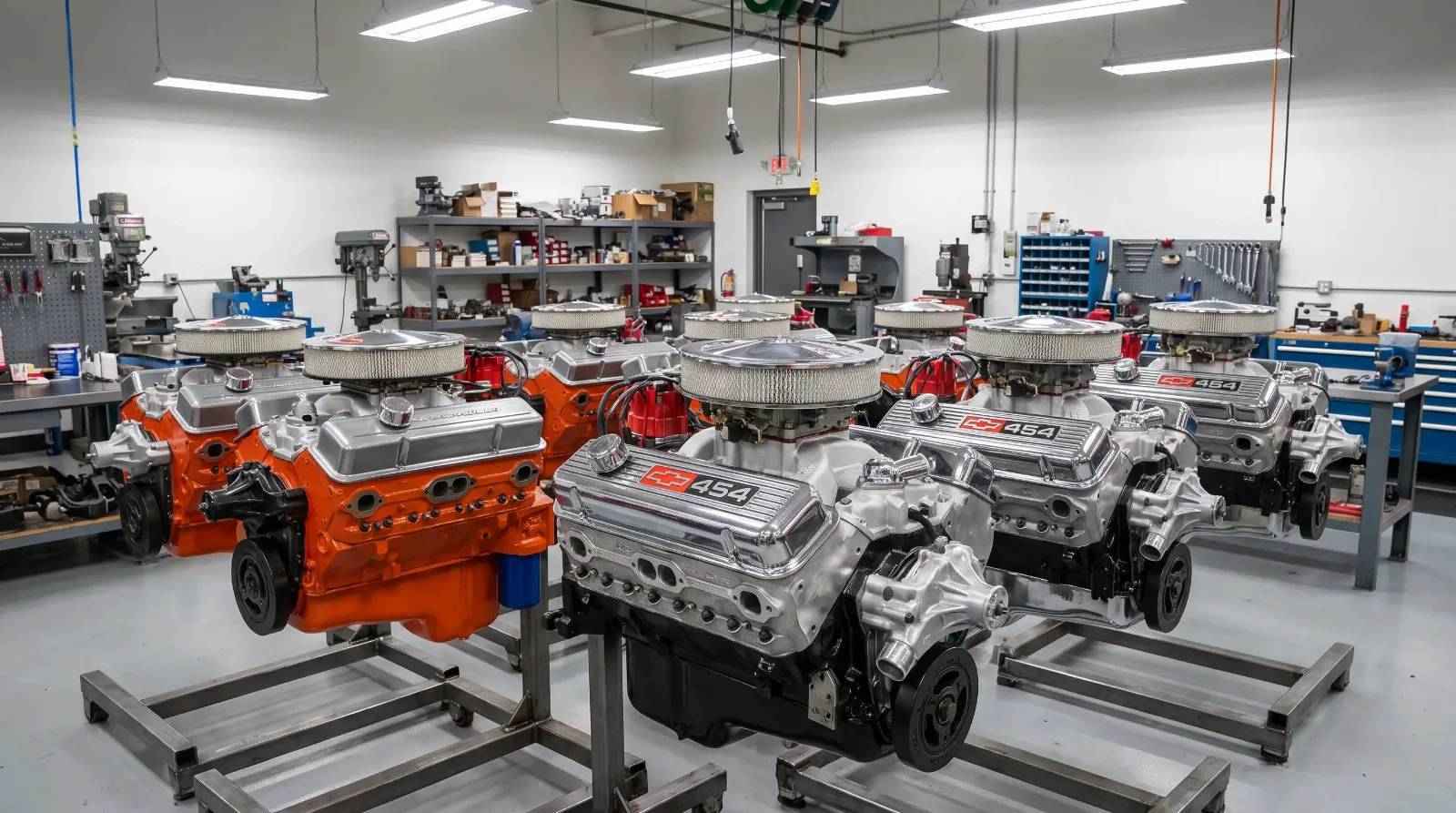
The mechanical story of the 1969 runs deep. Chevrolet offered a range of engines that year that stretched from the civilized to the genuinely extreme, and the lineup has become one of the most studied option sheets in American automotive history.
The base engine was the 350 cubic inch small-block, producing 300 horsepower — a responsive, manageable unit that made the 1969 an accessible car for drivers who wanted Corvette performance without the maintenance demands of the big-block options. But the big-blocks were where the conversation got serious.
| Engine Code | Displacement | Rated Horsepower | Notes |
|---|---|---|---|
| L46 | 350 cu in | 350 hp | Small-block with high-compression heads |
| L35 | 427 cu in | 390 hp | Entry big-block, hydraulic lifters |
| L36 | 427 cu in | 400 hp | Tri-power induction version |
| L68 | 427 cu in | 400 hp | Three two-barrel carburetors |
| L71 | 427 cu in | 435 hp | Tri-carb, solid lifters, race-derived |
| L88 | 427 cu in | 430 hp (factory-rated) | Aluminum heads, race-only intent; actual output estimated 550+ hp |
| ZL1 | 427 cu in | 430 hp (factory-rated) | All-aluminum block and heads; only two produced in Corvette |
The L88 deserves particular attention. Chevrolet's official 430-horsepower rating was a fiction designed to avoid insurance complications — the engine's actual output was understood by anyone who raced one to be significantly higher, with estimates commonly running to 550 horsepower or beyond. The L88 came with an aluminum cylinder head, a high-compression ratio that demanded racing fuel, and the deletion of the radio and heater as standard equipment. Chevrolet did not want civilians buying it. They got them anyway.
The ZL1, offered in just two 1969 Corvettes, took the concept further with an all-aluminum block — a technology derived from Can-Am racing that made the big-block weigh less than the small-block iron units. The ZL1 Corvette is among the rarest and most valuable American cars of the era.
Why 1969, and Not 1968
Among enthusiasts who love the C3 Corvette's Mako Shark era, there is a clear and consistent preference. Ask which year they would have in their garage, and almost universally the answer is 1969 or later — with 1969 itself occupying a particular place of affection as the year the generation arrived.
This is not snobbery. It is the accumulated wisdom of people who have owned, driven, and restored these cars across decades. The 1968 is a historically significant car — the launch of one of the most recognizable shapes in American automotive design — but it is a car that the factory had not fully resolved. The 1969 is that car resolved.
The narrower door frames, the map pockets, the revised handles, the smaller steering wheel, the return of the Stingray name, the T-top availability, the mature engine lineup — none of these individually transforms a car. Together, they do. The 1969 Corvette Stingray is the C3 as its designers intended it: a grand touring sports car with genuine performance credentials, an interior that did not embarrass itself, and a name that announced, in compressed and confident form, that this machine had found its identity.
The name was one word now. So was the car. Everything gathered together, nothing wasted.
Enthusiasts who want to understand the full arc of the Corvette's American cultural life — from the early underpowered Blue Flame six through the chrome muscle of the mid-sixties to the emissions-era compromises of the mid-seventies — will find no better entry point than the complete story of America's sports car. But if you want to understand a single year, a single model, a single decision that crystallized something, the 1969 is the one to study.
Stingray. One word. They had figured it out.