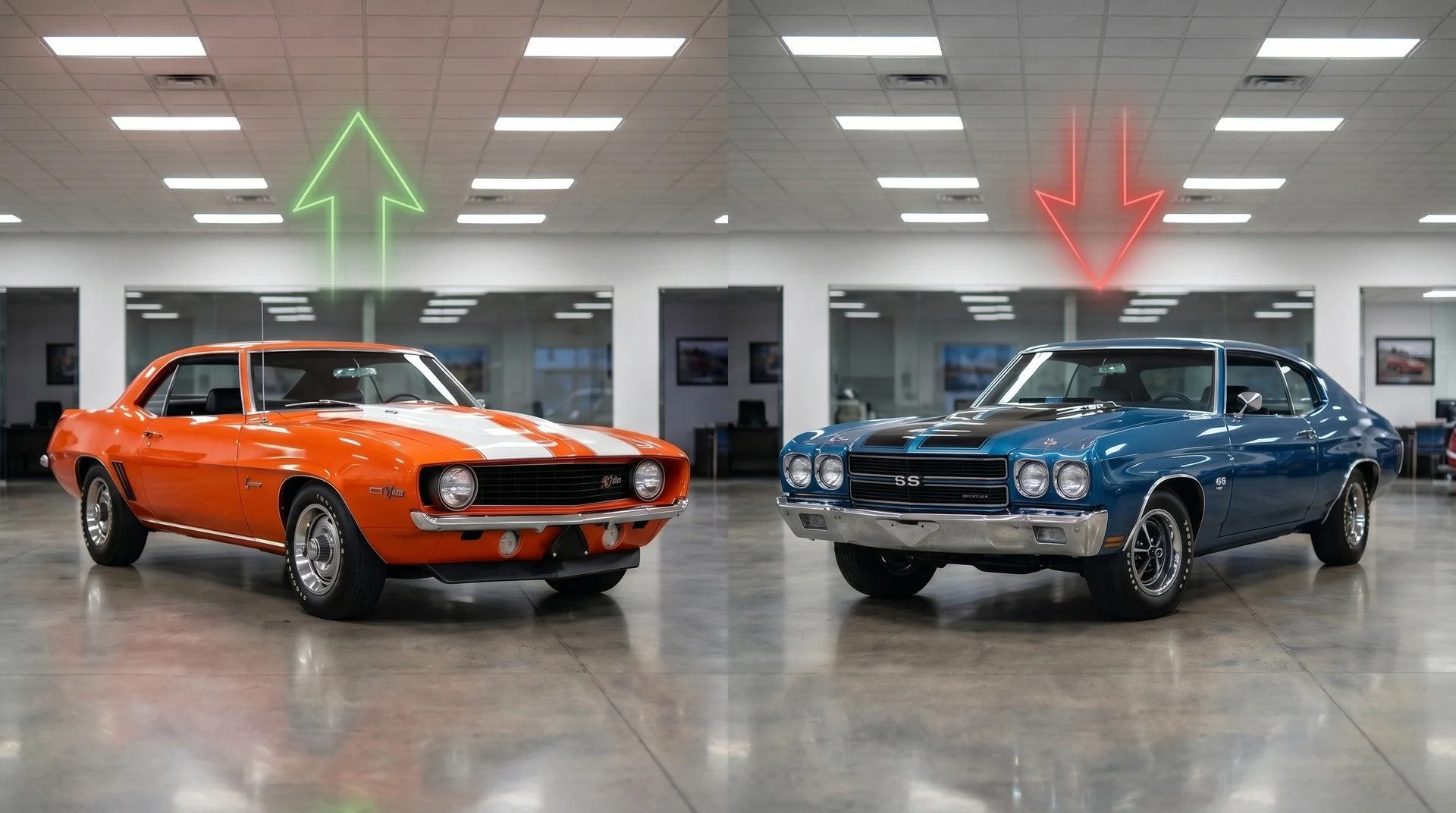

There's a window right now in the classic car market, and it won't stay open forever.
The muscle car conversation always defaults to the top shelf — Hemi 'Cudas, LS6 Chevelles, Boss 429 Mustangs. Remarkable cars. Also $150,000–$300,000+. But the classic muscle car market has a much broader foundation than the headline cars suggest, and there are genuinely attainable performance cars quietly appreciating while mainstream collector attention points somewhere else.
I've been tracking auction results and the used market for over two decades. These five cars are consistently on my watch list right now — cars where hammer prices are rising steadily, supply is genuinely finite, and most buyers haven't figured it out yet. All of them can be had under $25k. All of them are getting harder to find every year.
Why Are the Best Classic Muscle Cars Under $25K Still Being Ignored?
Simple answer: badge bias.
Most buyers chase the nameplate they grew up with. Mustang, Camaro, Challenger, Corvette — these get the billboard treatment, the magazine covers, the first bidder attention at auction. A Dodge Challenger R/T or a Ford Mustang GT carries instant recognition. The cars on this list don't have that. They carry secondary badges — Buick, Oldsmobile, AMC, Pontiac Firebird — and that badge gap costs the seller real money at every auction. Which is exactly what makes these cars a buy right now.
Dealers and platforms like Streetside Classics have been tracking this pattern for years: classic American muscle cars from lesser-known brands consistently sell at 20–30% discounts to their platform siblings despite sharing the same basic engines and mechanical DNA. The Camaro SS gets the spotlight; the Firebird Formula sits next to it for $15,000 less. That discount is closing. Slowly — but it's closing.
How Do These Five Cars Compare to a Mustang, Camaro, or Dodge Charger?
This is the question worth asking before we get into the specific cars.
The S-197 Ford Mustang GT with the 4.6-liter V8 — a genuine classic muscle car by modern standards — is now regularly available in good condition under $20,000. The fourth-gen Camaro with the 5.7-liter LS1 is similarly priced. The Dodge Charger R/T with the 5.7 Hemi is attainable under $25k in the used market. These are real options for the budget muscle buyer, and they offer modern amenities, excellent aftermarket support, and solid daily driver usability.
But here's the trade-off: a used Dodge Challenger or a fifth-generation Camaro SS is a modern muscle car dressed in classic clothing. The five cars on this list are actual classic cars — built in an era when engine displacement, four-speed manual transmissions, and analog driving were the whole point. The automotive experience is fundamentally different. If you're after classic muscle car collecting potential, the five below are the correct choice. The used market for modern muscle car variants is liquid but not appreciating the same way. These are.
1. 1968–1970 Plymouth Road Runner: The Original No-Frills Muscle Car
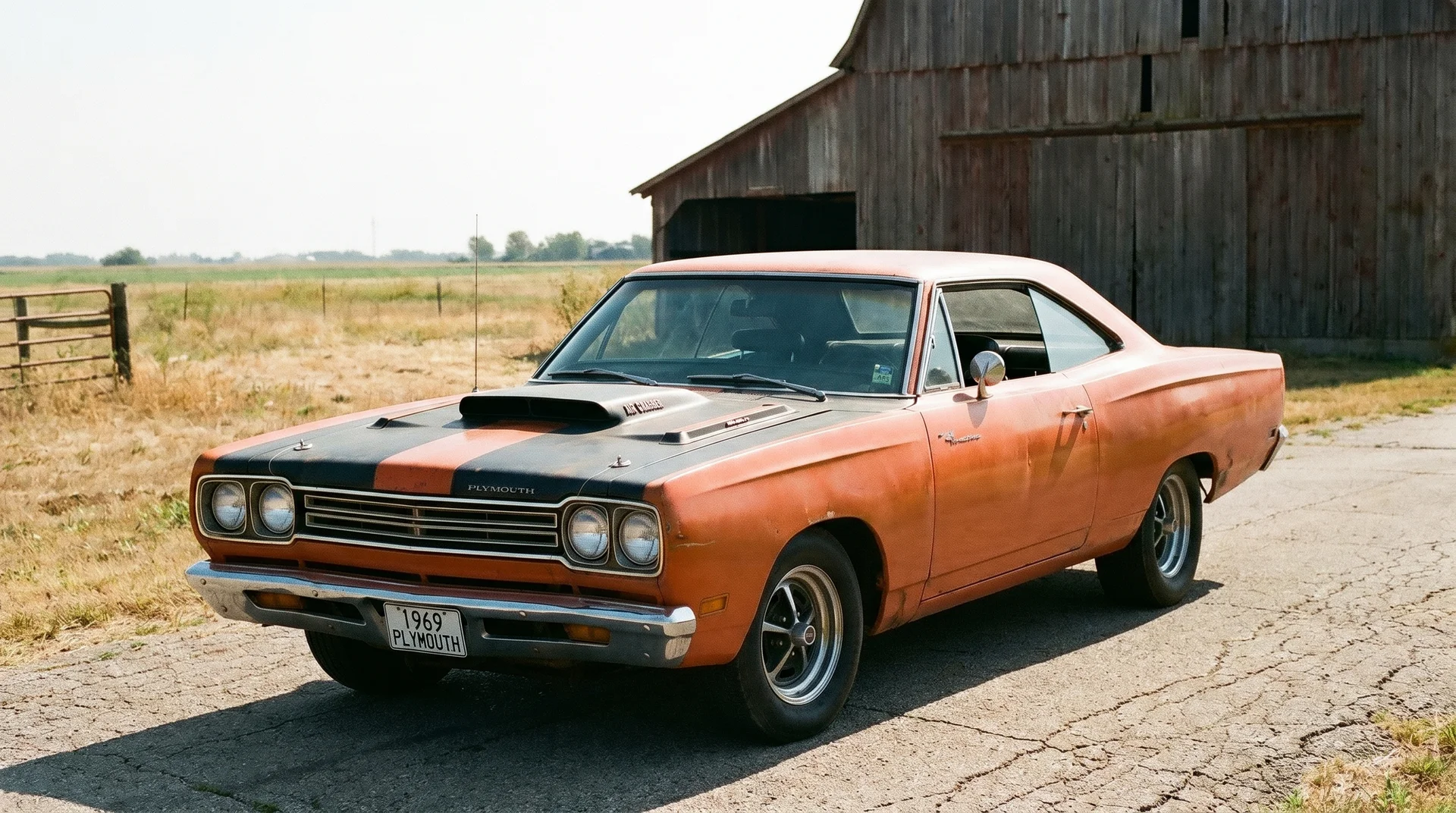
The Road Runner was Chrysler's answer to a very specific question: what if you stripped the muscle car back to pure essentials?
Base price was $2,896 in 1968 — the cheapest performance car in America. It came standard with the 383 Magnum V8 and a four-speed manual transmission. The 426 Hemi and 440 Six Pack were options for buyers who wanted to go further. No power windows, no fancy interior — just engine, suspension, and go. The first generation of muscle car buyers understood what Chrysler was offering. Today's collectors are rediscovering it.
Good driver-quality examples with the 383 are regularly trading in the $28,000–$38,000 range — just above our budget, but not out of reach if you're flexible on condition. Budget-restoration 383 cars in project condition are still available at $15,000–$20,000. That is the entry point to watch. A correctly documented 440 Six Pack car will run you more, and a real 426 Hemi car is a different market entirely. But the 383 Road Runner is a legitimate classic muscle car at a price that still makes sense - browse Plymouth Road Runner listings to find your entry point.
2. 1969–1970 Buick Skylark GS: The Badge That Saves You Real Money
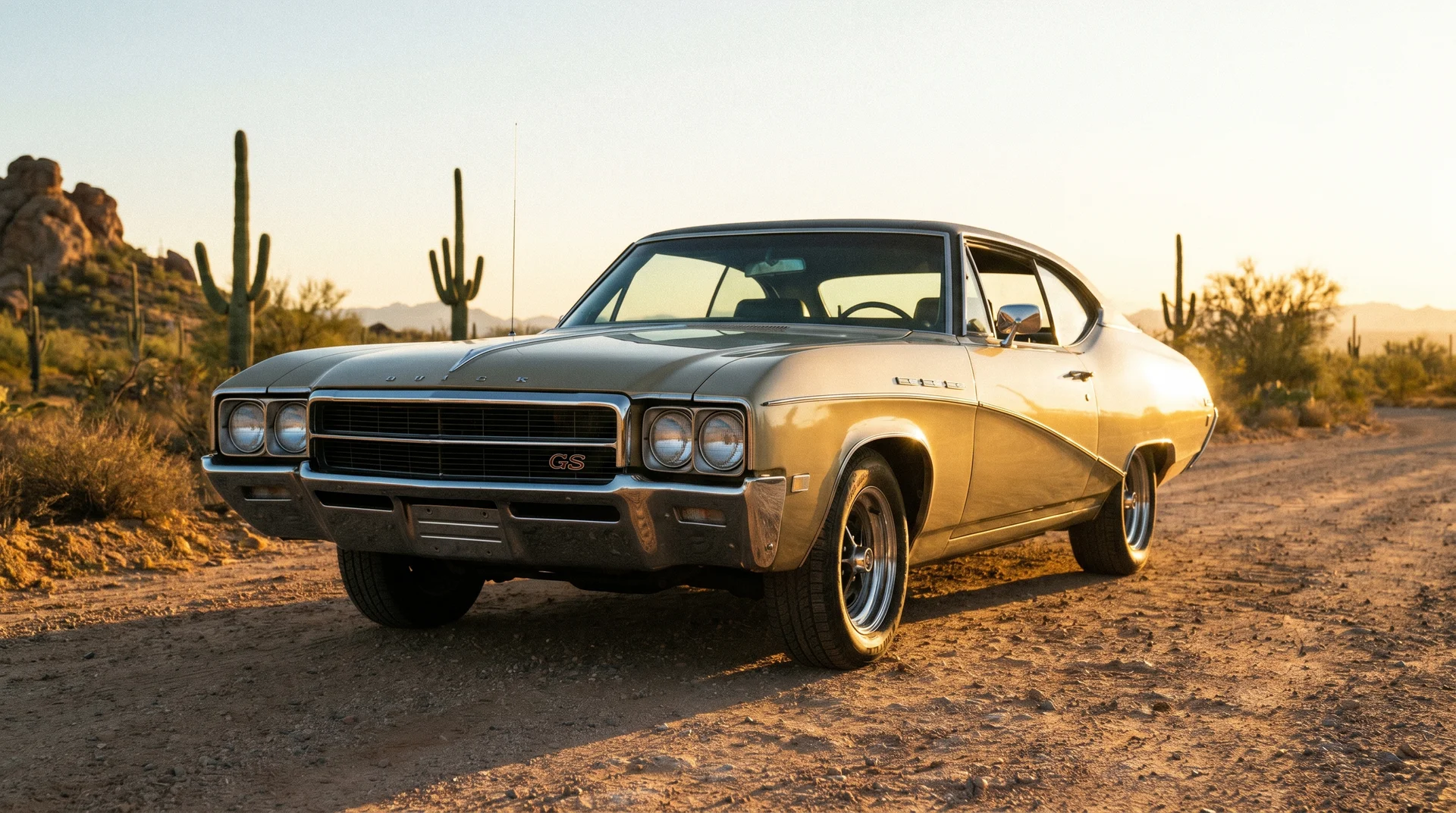
Buick's muscle car is perpetually undervalued relative to its Chevrolet and Pontiac equivalents, and the reason is pure badge snobbery.
The GS 400 and GS 455 produced comparable horsepower to the Chevelle SS and the Pontiac GTO. Same basic GM A-body platform, same-era V8 engineering, similar performance numbers — but with a Buick coupe badge instead of Chevy or Pontiac. That badge difference costs the seller real money at every auction. Stage 1 455 cars have been rising consistently, but standard GS 400 hardtops with the M21 four-speed are still available in the high teens to mid-twenties — check Buick GS listings for what's actually on the market right now. That is remarkable value for what you're getting mechanically.
The Stage 1 documentation story here parallels the LS6 Chevelle exactly: paper matters enormously, and cars without it are accessible at prices that reflect the uncertainty. For the collector who wants a correct, documented Stage 1 GS 455 — the Buick equivalent of the LS6 — prices are moving. The window on those cars is narrowing faster than most people realize.
3. 1970–1971 AMC Rebel Machine / AMC Javelin AMX: The Greatest Underdog in Classic Car History
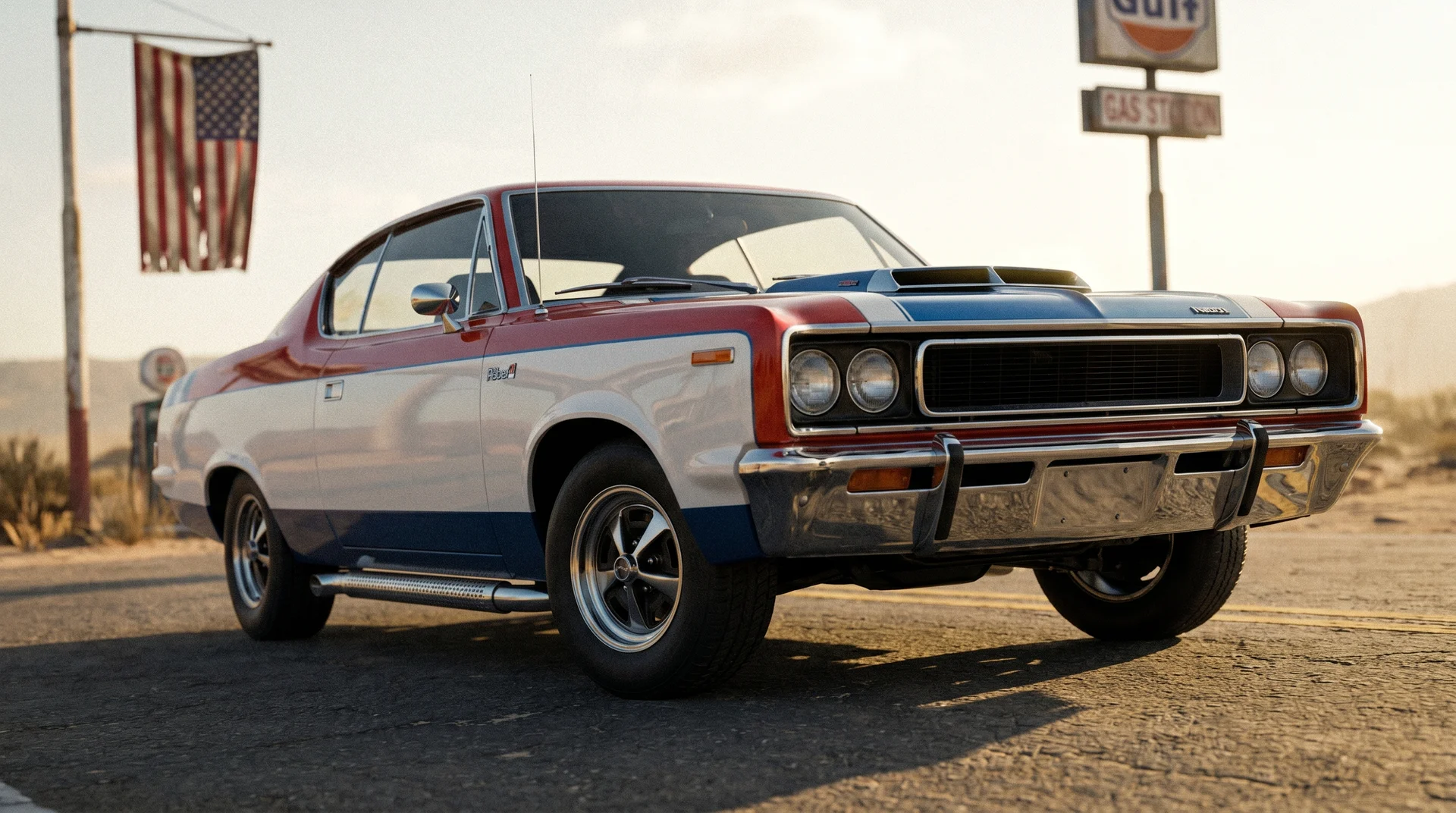
American Motors Corporation muscle is chronically undervalued for one straightforward reason: the company doesn't exist anymore.
Nobody is keeping the AMC Javelin story alive with a dealer network or contemporary advertising the way Dodge promotes the Challenger or Ford promotes the Mustang. The AMC nameplate has no promotional momentum — just the cars themselves, which were genuinely excellent. The AMC 390 and 401 V8 engines were legitimate performance engines. The Javelin competed seriously against Mustang and Camaro on the road course circuit and won a Trans-Am championship. None of that lands in mainstream classic muscle conversations, which is exactly why the opportunity exists.
A driver-quality Javelin AMX with the 390 engine is rarely priced above $20,000 and often available for considerably less — browse AMC Javelin listings to find what's available before the window closes. The Rebel Machine — with the 390/340 hp combination and the factory tri-color paint scheme — is slightly higher but still regularly attainable under $25k. Supply is finite and actively shrinking. Collector attention is building. This is the classic muscle buy for the buyer who wants a real automotive story and a real car.
4. 1970–1972 Oldsmobile 442: Same A-Body as the GTO, Lower Price Tag
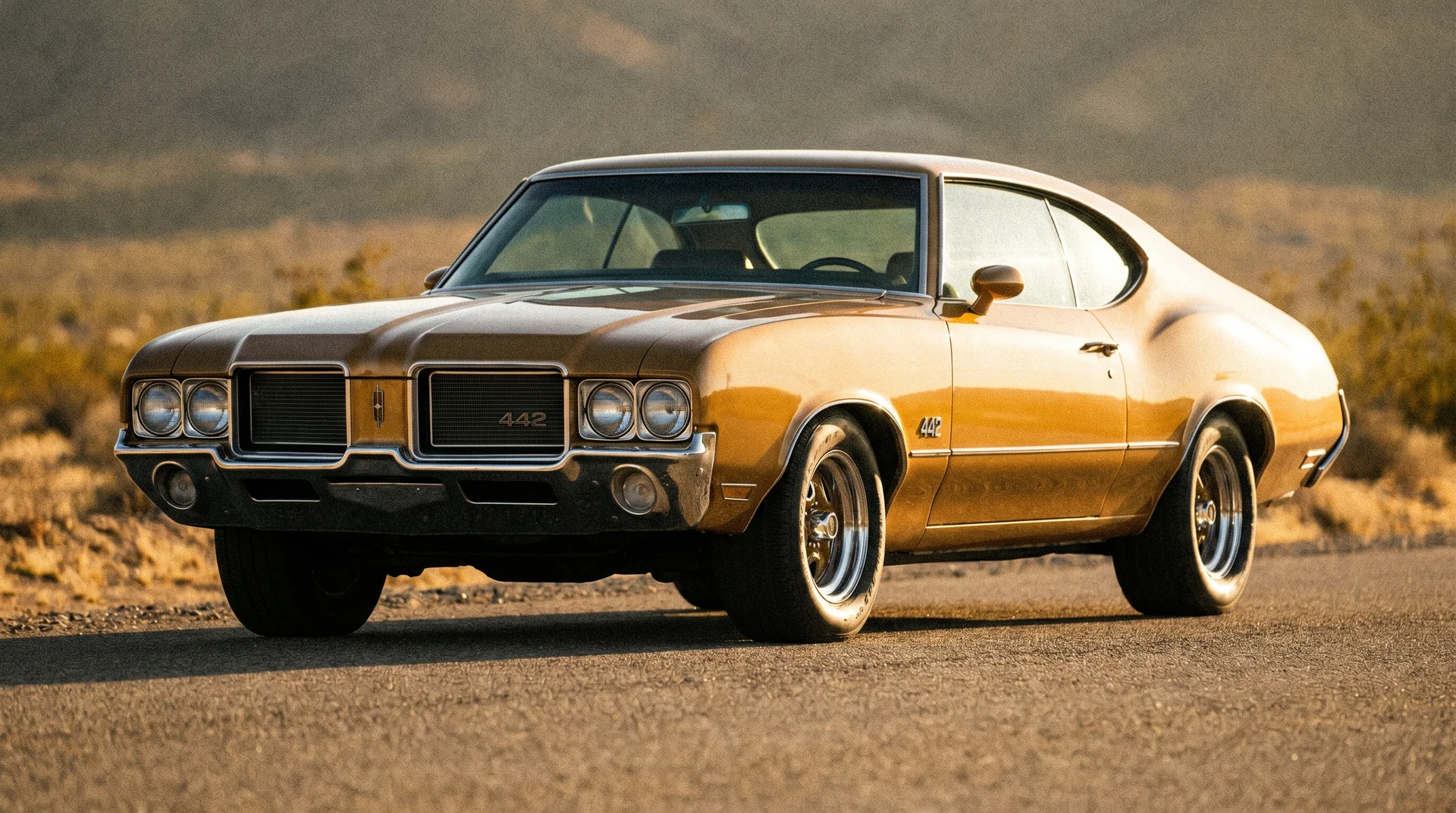
The Olds 442 — four-barrel carburetor, four-speed manual, dual exhaust — is consistently priced below its Pontiac GTO and Chevrolet Chevelle equivalents despite being the same basic car.
The W-30 package cars — with the Force Air induction system, special camshaft, and the distinctive red plastic inner fender liners — are serious collector cars that trade at 20–30% below a comparably documented GTO. That gap should not exist. The cars are mechanically near-identical. The difference is the nameplate, and that nameplate gap represents real money for the buyer who's done the research.
Non-W-30 automatic 442 coupes with the 455 V8 are available under $20,000 in driver condition — browse Oldsmobile 442 listings for what's currently on the market. That's a genuine classic muscle car with a correct big-block V8, the right platform, and a community of knowledgeable collectors around it — at a price that still makes sense in today's market. The Pontiac GTO gets the magazine covers. The Oldsmobile 442 gets the better buy-to-performance ratio.
5. 1969–1971 Pontiac Firebird Formula: The Trans Am's Overlooked Sibling
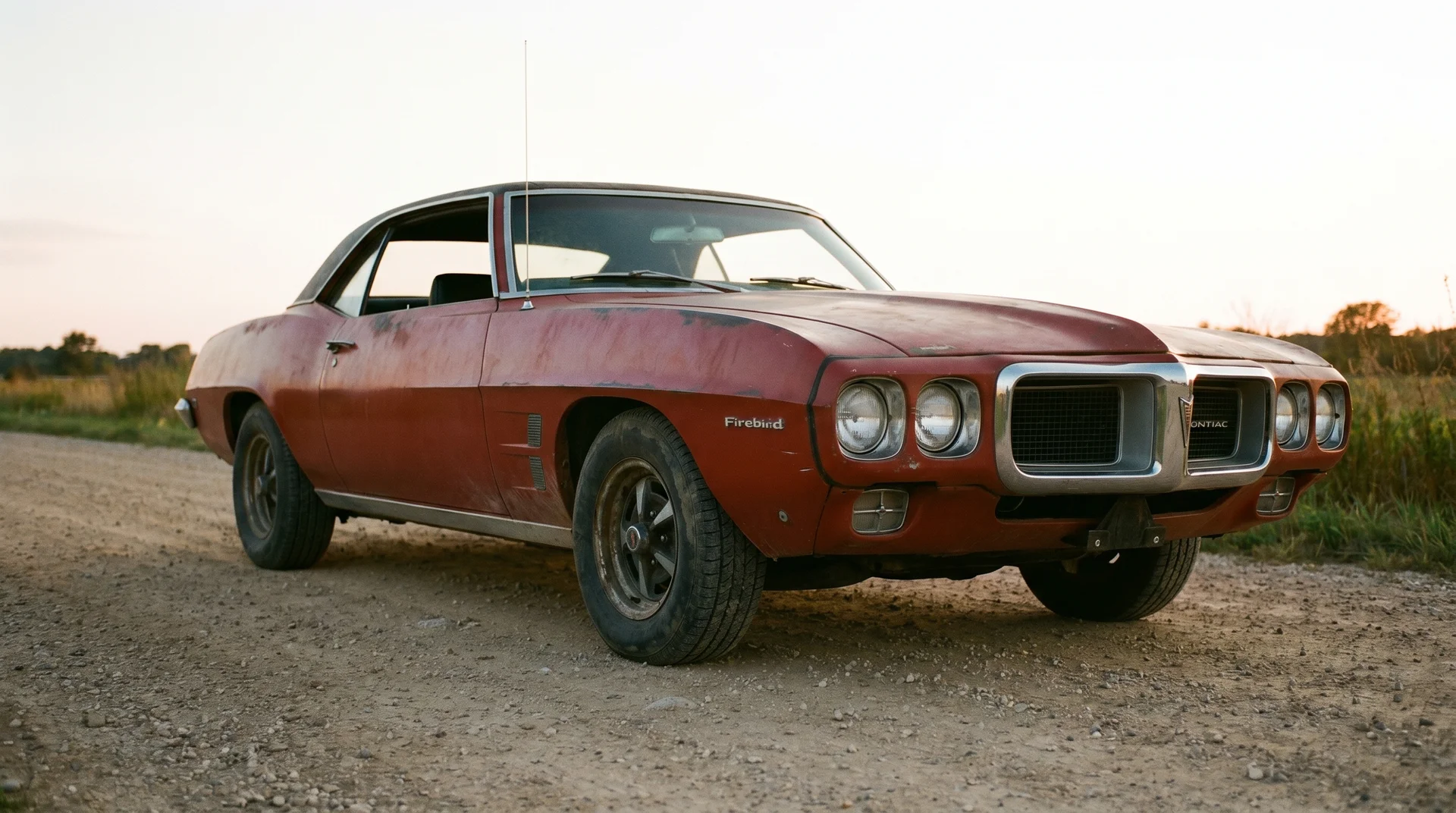
The Firebird Formula is the Trans Am with the badge premium removed — and nothing else changed.
Same basic car. Same available engines. Same platform and suspension as the car that appeared in Smokey and the Bandit and became one of the most recognizable nameplate icons in American muscle history. The difference is the stripes and the hood scoops — and the $15,000–$20,000 price gap those cosmetic items create at auction. A 1969 Pontiac Firebird Formula 400 with correct Ram Air II in driver condition trades in the $22,000–$30,000 range — see Pontiac Firebird Formula for current examples worth considering. The same specifications in a Trans Am coupe would be $50,000+.
The Formula's visual restraint is actually a genuine feature for a certain kind of buyer. This is a classic car that performs without announcing itself. Prices have been creeping up for three consecutive years, and the trajectory shows no sign of reversing. The Trans Am collector community is large and vocal; the Formula collector community is quieter and, increasingly, smarter about what they're buying.
What All Five of These Classic Cars Have in Common
One characteristic ties all five together: secondary badge on a primary platform.
The Road Runner shares its Chrysler B-body platform with the headline Mopar cars. The Buick GS shares GM's A-body with the GTO and Chevelle. The AMC Javelin was a legitimate competitor to the Mustang and Camaro in every meaningful performance metric. The Olds 442 is the GTO in different clothes. The Firebird Formula is the Trans Am without the theater. In every case, the nameplate removed from the conversation is the difference between current price and correct price.
This is a pattern that repeats in classic car collecting. Collector attention arrives at the headliner first. The opportunity is in the car one nameplate removed. It isn't a new observation — but the window where these five cars remain this accessible is narrowing, and the best muscle cars in any price bracket are the ones you buy before the broader market figures out what you already know.
What to Look For When Buying Under $25K
Budget classic muscle is not the same as cheap classic muscle.
These are fifty-year-old cars with fifty years of potential owner decisions behind them. Rust in climate-vulnerable regions, tired suspension components, brake hardware that hasn't been serviced in a decade, and modification work that ranges from competent to catastrophic — these are the things that separate a $15,000 bargain from a $15,000 money pit. Have a pre-purchase inspection done by someone who knows the specific platform. For any of these cars, $200–$300 for professional eyes is the most valuable money you'll spend. Documentation — cowl tags, build sheets, numbers-matching engines — matters at every price tier, not just at the top.
Where Do You Find the Best Deals?
Three channels, three different risk profiles.
Specialist dealers offer inspected cars with accountability — you'll pay a premium, but for buyers who aren't mechanically confident, it's often worth it. Auction is where real bargains and real risks coexist; you have limited time to evaluate, but hammer prices on overlooked cars can be exceptional. Private sale is where the best deals live for buyers who know what they're looking at. An owner who's had a car for twenty years and is ready to sell often doesn't know the current market value — and that information gap is your opportunity. Go in with a professional inspection arranged before you make an offer.
Key Takeaways
- All five cars share one trait: secondary badge on a primary platform — same performance, 20–30% lower price than the headline nameplate
- Plymouth Road Runner 383: project cars still available at $15,000–$20,000 — the attainable entry point before prices move further
- Buick GS 400/455: mechanically equivalent to the Chevelle SS and Pontiac GTO at a consistent badge discount — Stage 1 cars rising fastest
- AMC Javelin AMX: Trans-Am championship pedigree, 390/401 V8 performance, and prices that haven't caught up to the reality of what the car is
- Oldsmobile 442: W-30 package cars are serious collector cars trading 20–30% below the GTO — the gap is unjustified and closing
- Pontiac Firebird Formula: Trans Am performance and platform without the Trans Am premium — prices have been rising for three straight years
- Documentation matters at every price tier — cowl tags, engine stampings, and build sheets separate a real buy from an expensive gamble
- Always get a pre-purchase inspection — $300 upfront is the best money you'll spend on any classic car transaction
- Private sales offer the best prices; dealers offer accountability; auctions require knowledge but offer real upside
- The window is open — but used classic muscle pricing has trended steadily upward, and the buyers who act now will be glad they didn't wait